

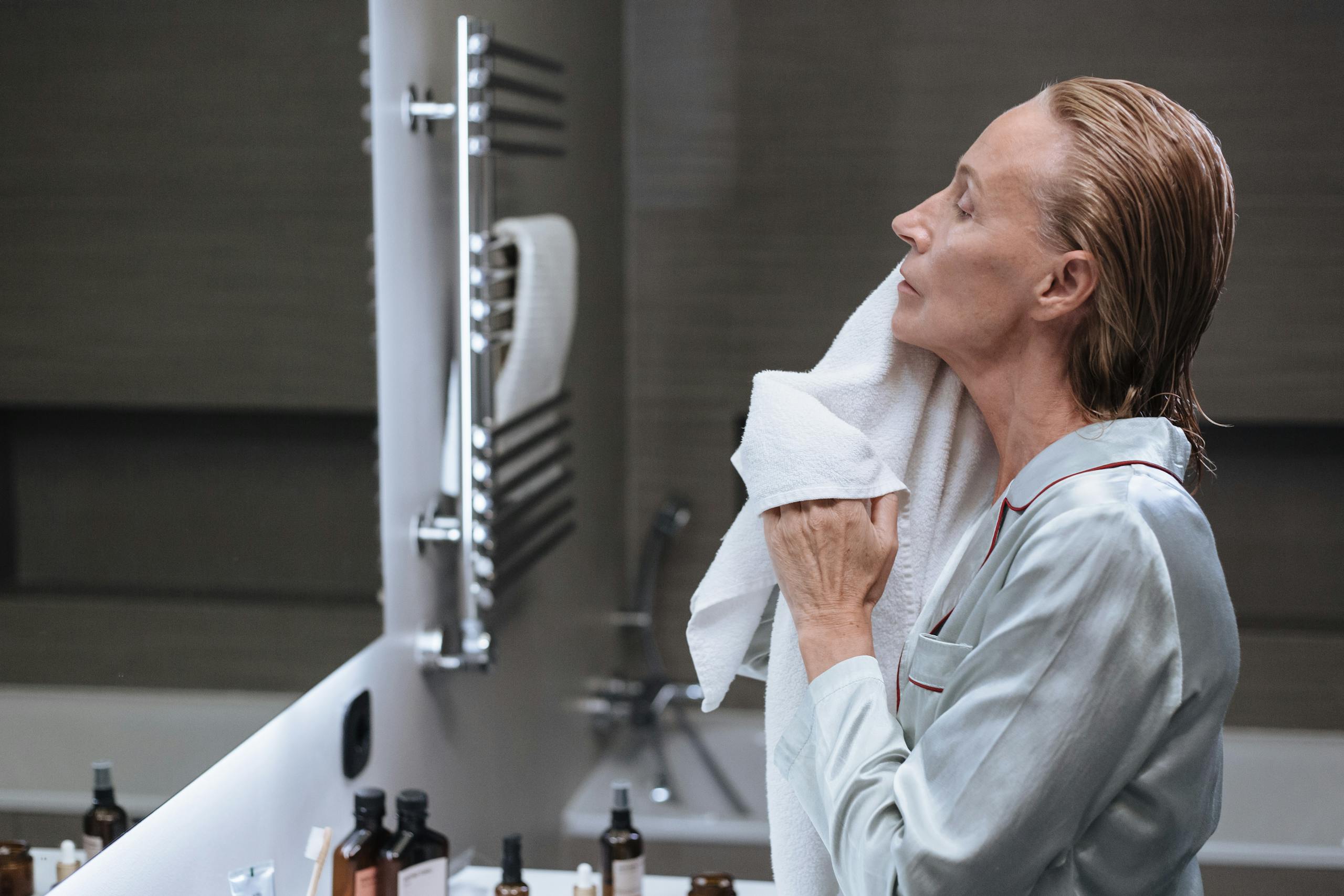
Aging changes many things, including how loudly your knees complain when you stand up, how suspicious you become of low chairs, and how much your skin seems to hate every soap that once smelled like “ocean breeze.” Bathing also changes with age, and no, that does not mean older adults should simply stop showering and become one with the recliner.
The real answer is more practical than dramatic. Many older adults do not need a full shower every single day, but they do need a steady hygiene routine that keeps the body clean, the skin comfortable, and the bathroom from becoming a slip-and-slide audition. The goal is not to win a cleanliness contest. The goal is to stay fresh, safe, healthy, and dignified without turning every bath into an Olympic event.
Two Or Three Showers A Week May Be Enough for Many Older Adults
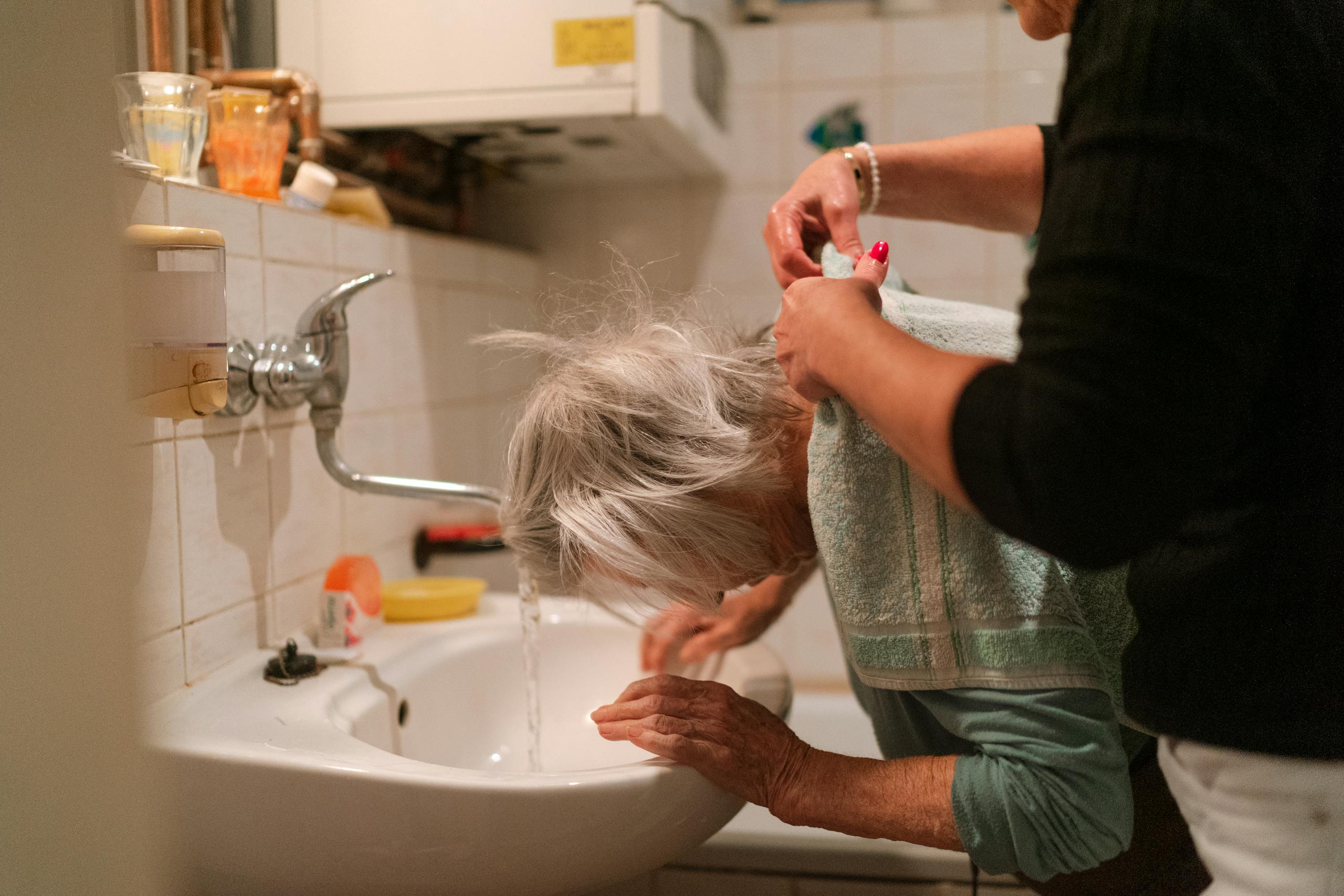
For many older adults, a full bath or shower two or three times a week can be enough, especially when daily spot cleaning is part of the routine. That may sound shocking to anyone raised on the idea that one must shower daily or be judged by society, the neighbors, and possibly the family dog. But aging skin often needs a gentler schedule.
The body still needs regular cleaning, of course. The trick is to separate “full shower” from “basic hygiene.” A person may not need to wash their entire body every morning, but the face, underarms, groin, feet, skin folds, and any sweaty or soiled areas need attention. Think of it as cleaning the busy parts of town instead of pressure-washing the whole city.
Daily Showering Can Backfire on Older Skin
Older skin is not lazy. It is just thinner, drier, and more easily irritated. Long hot showers may feel wonderful in the moment, but they can strip away natural oils and leave the skin tight, itchy, flaky, or cracked. That is when bathing becomes less like self-care and more like betrayal with steam.
This is why a shorter, warmer, softer routine usually works better. A five-to-ten-minute shower with warm water is kinder than a long, hot one that leaves the bathroom looking like a fog machine escaped from a concert. Mild fragrance-free cleansers are also a better choice than harsh deodorant soaps that smell powerful enough to clean a garage floor.
The “Clean Zones” Matter More Than the Calendar
Instead of asking, “Did I shower today?” a better question is, “Are the important areas clean today?” The clean zones include the face, armpits, groin, buttocks, feet, under the breasts, belly folds, and anywhere sweat, urine, stool, lotion, or skin friction can build up. These areas deserve daily attention, even when a full bath is skipped.
This approach is especially helpful for older adults with fatigue, arthritis, limited mobility, or fear of falling. A warm washcloth, no-rinse cleanser, or sponge bath can do a lot on low-energy days. Clean does not always have to mean standing under running water. Sometimes clean means sitting safely, washing carefully, and not turning the bathroom into a battlefield.
Hot Water Is Not Your Skin’s Best Friend

Hot water has excellent public relations. It feels soothing, relaxing, and almost heroic after a long day. Sadly, it can also be a menace to older skin. Very hot water can remove protective oils and worsen dryness, which may lead to itching, cracking, and irritation.
Warm water is the smarter choice. It still cleans the body, but it does not attack the skin barrier like it has a personal grudge. Older adults should also avoid scrubbing too hard with rough washcloths, loofahs, or exfoliating tools. Skin does not need to be punished into cleanliness. Gentle washing is enough.
Moisturizer Should Come Before the Bathroom Mirror Critique
After bathing, the best move is to pat the skin dry and apply moisturizer while it’s still slightly damp. This small step can make a big difference because moisturizer helps trap water in the skin before it evaporates. The body does not need fancy perfume clouds or glittery lotion that smells like a cupcake at a nightclub. It needs a thick, fragrance-free cream or ointment that supports the skin barrier.
This matters even more in winter, dry climates, or homes with indoor heating. If the skin looks powdery, itchy, or cracked, the bathing routine may need to become gentler. Fewer full showers, warmer water, better moisturizer, and milder soap can help. Sometimes the most glamorous aging advice is simply this: put the lotion on before your legs start looking like old parchment.
Feet Deserve Their Own Hygiene Plan
Feet often become the forgotten employees of the body. They work all day, carry everyone around, and then get ignored until something hurts. For older adults, especially those with diabetes, foot hygiene is not optional. It is a healthy habit.
Feet should be washed regularly, dried carefully, and checked for cuts, blisters, swelling, redness, cracks, or sores. Drying between the toes matters because trapped moisture can invite irritation or infection. Moisturizer can help dry heels, but it should not be smeared between the toes like frosting. Feet need care, not a spa day that accidentally creates a swamp.
The Bathroom May Be the Real Problem
When an older adult avoids bathing, the issue may not be hygiene. It may be fear. Bathrooms can be risky places because water, tile, soap, bare feet, and turning movements create a perfect little trap. Add poor lighting, a high tub wall, weak legs, dizziness, or arthritis, and a simple shower can feel like a stunt scene.
Safety upgrades can change everything. Grab bars, a shower chair, a handheld showerhead, non-slip strips, brighter lighting, and a stable bathmat can make bathing less frightening. A walk-in shower may help some households. The goal is not to make the bathroom look like a hospital. The goal is to make it less likely to behave like a villain.
Memory Changes Can Disrupt Bathing Routines

For older adults with dementia or memory problems, bathing may become confusing, stressful, or easy to forget. Someone may not remember the last time they bathed, may resist help, or may feel startled by water, noise, cold air, or being undressed. What looks like stubbornness may actually be fear, confusion, embarrassment, or sensory discomfort.
A calm routine helps. Keep bath time predictable. Prepare towels, clean clothes, soap, and lotion before starting. Explain each step gently. Keep the room warm. Offer choices when possible, such as a shower or a sponge bath, morning or evening, a blue towel or a white towel. Choice protects dignity. Nobody wants to feel like they have been scheduled for maintenance like a dishwasher.
Caregivers Should Protect Privacy as It Matters
Bathing is deeply personal. Many older adults feel embarrassed when they need help washing, especially if they were once fiercely independent. A caregiver should not treat bath time like a task to rush through while chatting loudly about unrelated errands. Privacy, warmth, patience, and respect matter.
Use towels to cover areas not being washed. Explain what you are going to do before doing it. Let the person wash what they can safely wash. Step out when privacy is possible. Keep the mood calm and matter-of-fact. A little humor can help, but only if the older adult enjoys it. The aim is to support cleanliness without making the person feel small.
Incontinence Changes the Rules
If an older adult has urinary or bowel incontinence, daily cleaning becomes more important. Skin exposed to urine or stool can become irritated, sore, or inflamed. Gentle cleansing, careful drying, and barrier creams may be needed to protect the skin.
This does not always mean a full shower every day. It may mean cleaning the affected areas promptly and gently, changing absorbent products often, and checking for redness or breakdown. If irritation keeps coming back, a healthcare provider should be involved. Skin problems are easier to manage early than after they become painful.
Bathing Is Also a Health Check

Bathing gives older adults and caregivers a chance to notice changes that might otherwise hide under clothing. New bruises, swelling, rashes, sores, pressure marks, cuts, fungal irritation, dry patches, or foot problems can show up during washing. That makes bath time more than a cleaning routine. It is also a quiet inspection.
This matters for people with diabetes, poor circulation, limited mobility, fragile skin, or a history of falls. A small blister on the foot or a red patch near a skin fold may not seem urgent, but it can become a bigger issue if ignored. The earlier a problem is seen, the easier it usually is to treat.
Conclusion
The right bathing schedule depends on health, activity level, climate, skin condition, continence, mobility, personal preference, and safety. A very active older adult in a hot climate may need more frequent showers. Someone with very dry skin in winter may do better with fewer full showers and daily spot cleaning. A person with incontinence may need targeted cleaning every day. A person with diabetes may need careful daily foot care.
So, how often should you shower as you get older? Often enough to stay clean, comfortable, and socially confident, but gently enough to protect the skin and safely enough to avoid falls. For many older adults, that means two or three full showers a week, daily clean-zone washing, regular foot care, fresh clothes, and a bathroom setup that does not require courage, prayer, and excellent balance.
Aging does not mean giving up cleanliness. It means getting smarter about it. The best hygiene routine is the one that keeps the body fresh, the skin calm, the bathroom safer, and the person’s dignity fully intact.


