


This article was originally published on Crafting Your Home. A human contributor also wrote and edited the post.
Small homes and apartments can become difficult to use when possessions occupy floors, surfaces, and storage areas. Decluttering can help residents make better use of the space they already have, improve movement through rooms and create clearer areas for sleeping, working, cooking and relaxing. It does not require throwing away everything or following a strict minimalist lifestyle. The main goal is to keep items that are useful, meaningful, or regularly used while reducing possessions that create unnecessary crowding.
Why Clutter Is a Problem in Small Homes
In a large home, unused belongings may go in a spare room, basement, or garage. Small homes usually have fewer places to move possessions out of sight. As a result, clutter can quickly spread across kitchen counters, chairs, floors and other surfaces.
Clutter can reduce a room’s practical function. A dining table covered with paperwork may no longer be available for meals. A bedroom filled with storage boxes may provide less space for rest. A hallway blocked by shoes and bags can make movement difficult and create safety concerns.
Research has also linked household chaos, which includes clutter, crowding, and poor routines, with stress and negative emotions. One experimental study found that household chaos was causally related to physiological stress in a caregiving context. This does not mean that every untidy room causes serious stress, but it suggests that the physical environment can influence how people experience daily life.
Decluttering Creates Usable Space

The most immediate benefit of decluttering is that it makes existing space more useful. Removing items from a walkway can make a room easier to move through.
Clearing a work surface can create a practical home office. Reducing kitchen equipment can create more room for meal prep.
Decluttering can also make it easier to identify how a room should function. If a living room contains furniture, boxes, exercise equipment, and children’s toys without a clear arrangement, it may feel smaller than it actually is. Removing unnecessary items lets you position the remaining furniture more effectively.
A useful approach is to divide a small home into activity zones. Use one area for sleeping, another for working, and another for eating or relaxing. These zones do not require separate rooms. A desk, rug, bookshelf, or change in lighting can help distinguish one function from another.
Start with One Small Area
Decluttering an entire home at once can feel overwhelming. A smaller project is easier to complete and shows results more quickly. Residents might begin with a kitchen drawer, a bedside table, one shelf, or the area near the entrance.
Assess each item by asking whether it is used regularly, needed for a specific purpose, or has genuine personal value. You may remove items that are broken, duplicated, forgotten, or no longer suitable for the household.
The aim is not to make decisions based on guilt. People often keep items because they were expensive, were gifts or might be useful one day. Those feelings are understandable, but keeping too many rarely used possessions can make the home less comfortable every day.
Use Storage That Matches the Space
After unnecessary items have been removed, storage can help organize what remains. In small homes, people often underuse vertical space. Wall shelves, tall cabinets and over-door organizers can store belongings without taking up much floor area.
Storage should be chosen carefully. Buying more containers before removing unused possessions can simply hide clutter rather than reduce it. It may also make it harder to find important items.
The best storage is easy to access and appropriate for the items being stored. Keep frequently used belongings within comfortable reach. Items used only occasionally can go on higher shelves, under a bed, or in deeper storage areas, as long as they can be retrieved safely.
Transparent containers and labels may help residents remember what is stored. However, open shelving can make a room look visually busy if it contains too many objects. Closed cupboards, drawers and baskets can create a calmer appearance while keeping items accessible.
Choose Furniture That Serves More Than One Purpose
Furniture strongly affects how much space a small home feels like it has. A large piece that performs only one function may use valuable floor area. Multifunctional furniture can make a room more flexible.
Examples include a bed with drawers underneath, a foldable dining table, an ottoman with internal storage, or a desk that can be closed when work is finished. A sofa bed can serve as seating during the day and sleeping space at night, but consider comfort and durability before buying one.
Don’t choose furniture solely because it offers storage. It must also fit the room and leave enough space for people to move comfortably. Filling every open area with furniture can make a small home feel more crowded even if the objects are well organized.
Keep Everyday Items Easy to Reach
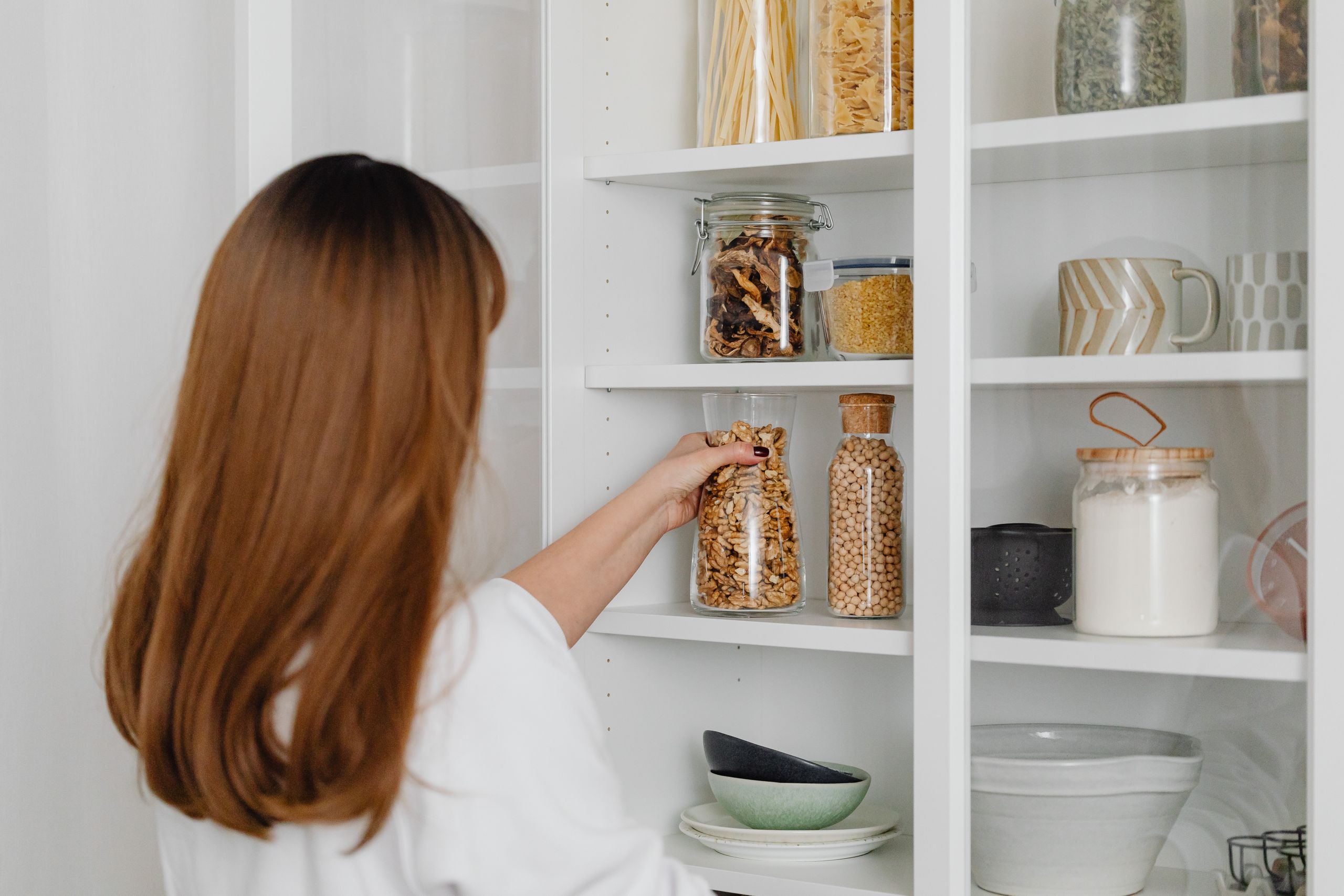
A home is easier to maintain when commonly used objects have clear locations. Place keys in one container near the entrance. Limit shoes to the pairs used regularly and store them in a designated area. Group kitchen items by how often they are used.
When frequently used items are difficult to reach, people may leave them on counters, chairs or floors. This can cause clutter to return quickly. Storage should therefore reflect real habits rather than an idealized picture of how residents wish they used the space.
For example, if a person reads every night, keeping books in a closed cabinet across the room may be less practical than placing a small basket beside the bed. Organization works best when it supports daily routines.
Decluttering Can Improve Daily Routines
Reducing possessions can make ordinary tasks faster. Finding clothes, preparing meals, cleaning surfaces and putting items away may require less time when fewer objects compete for attention.
A study on decluttering and decision-making found that clutter can interfere with a home’s livability and utility. Research has also linked greater clutter to lower reported life satisfaction, productivity, and quality of life, although many studies in this area are observational and cannot prove that clutter alone caused those outcomes.
This distinction matters. Decluttering may help some people feel more in control, but it is not a guaranteed treatment for stress or mental-health difficulties. Its practical benefits are clearer: fewer objects can mean fewer things to clean, organize and move.
Small Changes Can Make Rooms Feel Larger
Decluttering is not the only way to improve a small space. Keeping pathways open, placing furniture away from doorways and using consistent storage can make movement easier. Natural light can also help a room feel more open, although lighting changes should be planned around the room’s actual needs.
Mirrors, pale colors and simple decorations may influence how spacious a room appears, but these design choices cannot replace removing items that block useful areas. A small home usually benefits more from reducing excess furniture than from adding decorative features.
Arrange furniture so windows, vents, and sources of natural light are not unnecessarily blocked. This can improve comfort and make the room feel less crowded.
Decluttering Shared Homes

Decluttering can become sensitive when several people share a home. One person may see an unused object as unnecessary, while another may attach strong emotional meaning to it. Throwing away another person’s belongings without permission can damage trust.
Shared decluttering works better when each person controls their own possessions and discusses household decisions openly. Families can agree on limits for shared storage, children’s toys, kitchen equipment, or seasonal decorations.
It may also help to create a personal area for each household member. Even in a small home, a drawer, shelf or box can give someone control over belongings that matter to them.
Dispose of Items Responsibly
Decluttering should not mean sending every unwanted item directly to a landfill. Usable clothing, furniture, books, and household goods may be donated, sold, or given to someone who needs them. Electronics, batteries, paint, and other hazardous materials may require special recycling or disposal.
Do not donate items that are unsafe, damaged, or unsanitary. Residents can check local recycling and waste guidelines before disposing of anything that requires special handling.
Responsible disposal may take more time, but it reduces the environmental cost of replacing one form of clutter with another.
Maintaining the Results
A decluttered home requires simple ongoing habits. Residents can return items to their designated locations, review crowded areas regularly, and avoid bringing new possessions into the home without considering where they will be stored.
A one-in, one-out approach may help with certain categories, such as clothing, kitchen tools, or books. This means removing or donating an existing item when you buy a new one.
It is not appropriate for every household, but it can prevent storage areas from gradually becoming overcrowded.
A short weekly reset can also help. Spending a few minutes clearing surfaces, returning items, and checking the entrance or kitchen can keep small clutter from becoming a bigger project.
Making a Small Home Work Better
Decluttering can improve a small living space by restoring areas that have become blocked or overloaded. It can make rooms easier to move through, help furniture serve its intended purpose, and reduce the time required to find and manage everyday items.
Research suggests that household clutter and chaos can be associated with stress and reduced well-being, although the strength and causes of those relationships vary.
The practical lesson is not that every home must look empty. It is that a home should support the people who live in it.
The most effective approach is gradual and realistic. Remove what is no longer useful, organize what remains, choose storage carefully and maintain routines that match the household’s actual life.
Even a small apartment can feel more comfortable when every important item has a place and every part of the room can be used as intended.
Other post you might like:


