


Open a box of stuff from a 1980s childhood and the same objects keep turning up: cassette players, plastic cartridges, dolls with adoption papers. Lists from Hello! Magazine and Cheapism name the household items that defined the decade, and 12 of them make a tidy tour, from the Walkman to Teddy Ruxpin. Many are still easy to spot at a garage sale, even if few work as they once did.
Sound that traveled

1. The Walkman. The original model, the TPS-L2, went on sale in Japan on July 1, 1979, according to Sound & Vision, and Sony sold 50 million Walkmans over the following decade. Hello! Magazine says it popularized personal, on-the-go stereo with headphones, although the device was hefty. The Walkman’s lightweight headphones and compact size made music a private, portable habit.
2. The vinyl player. Hello! calls it the centerpiece of 80s living rooms, where pops and crackles signaled that a record needed cleaning.
3. The boombox. Teens loved them, Hello! says, but parents often told them to turn it down. Cheapism describes boomboxes as powerful portable stereos tied to street culture that carried music anywhere. The era’s music tastes show up in the most popular girls’ names of the 1980s, and other forgotten household items sit alongside these.
Screens, games and snapshots
4. VHS tapes and the VCR. Rewinding was essential, and viewers struggled to find the right spot with the tracking dial. Hello! says a big box of tapes was a point of pride. Readers who still own one can pair it with this list of 70s and 80s childhood experiences and these rituals that disappeared without much notice.
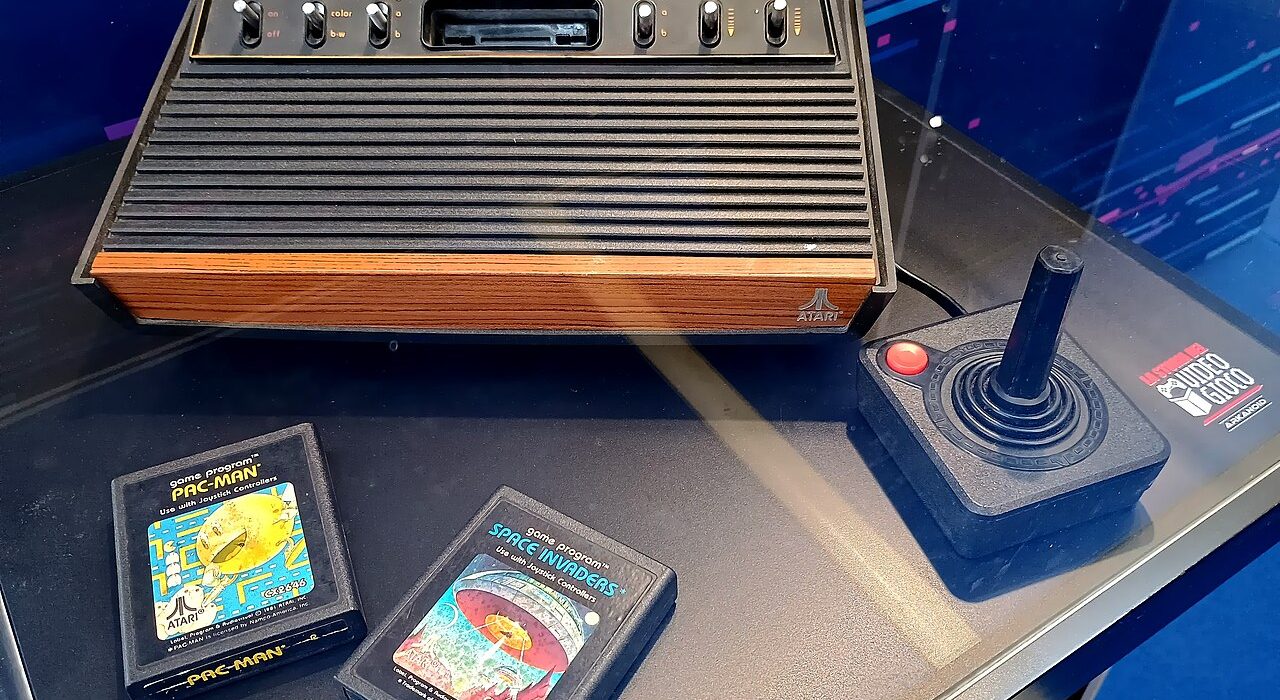
5. Atari and Sega consoles. Before Nintendo dominated, these consoles drove gaming innovation, with Sega owners able to use 3D glasses, Hello! reports. Cheapism lists Pac-Man, Donkey Kong and Duck Hunt among the popular games.
6. The Polaroid camera. Instant prints that developed in the hand felt like magic, and people often argued over who got to keep the photo.
Toys that sat on the shelf
7. Cabbage Patch Kids. Hello! describes them as a status symbol that caused widespread chaos as people competed to buy them, and each came with an adoption certificate. Cheapism notes they were popular even in homes without children. The decade’s playthings are the subject of the 2026 National Toy Hall of Fame finalists, which include 1980s Care Bears, and boomer habits making a comeback include a few toys-turned-keepsakes.
8. Teddy Ruxpin. Cheapism calls it a talking bear with a cassette player hidden in its back that told stories. The Science History Institute’s catalog entry says the animatronic bear from Worlds of Wonder launched in 1985 and moves its mouth and eyes as it plays, with a control signal on one cassette track driving the servomotors. The same decade shows up in a report on first-time home buyers noting that the typical buyer in the 1980s was in the late 20s. Plenty of 70s holdovers also lingered, as in 70s decor now extinct.
9. The Rubik’s Cube. According to Cheapism, nearly everyone owned one, and as the article puts it, everyone had one but not everyone could solve one.
Phones and desks
10. The rotary phone. Hello! says calls required actual talking and dialing was slow, with the click and whirr of the dial a satisfying reward that modern phones lack.
11. The answering machine. Cheapism describes standalone units that recorded messages on cassette tapes after a set number of rings, playing a prerecorded greeting first.
12. The electric typewriter. Hello! says the click-clack filled living rooms and offices, computers began appearing by the decade’s end, and mistakes were a frustrating part of typing.
The list also shows how much entertainment once depended on physical media. Records, cassettes, VHS tapes and Polaroid prints all had to be loaded, rewound, flipped or shaken, and each step was part of the experience. That hands-on quality is a large part of why the objects are remembered so fondly decades later.
Not every item on the list belonged only to the 1980s, since rotary phones and record players were also familiar to earlier generations. What set the decade apart was having them all in one house, often within reach of a child.
Get stories like this by email. Sign up for Crafting Your Home.
This article was produced with AI assistance and edited for accuracy against the sources linked above.
Image: A7N8X – CC0/Wikimedia Commons


