


The Post: Hochul Pardon Leads Supreme Court to Dismiss Immigration Detention Case first appeared on Crafting Your Home.
A New York pardon has ended a major immigration detention case before the U.S. Supreme Court could decide the constitutional question at its center.
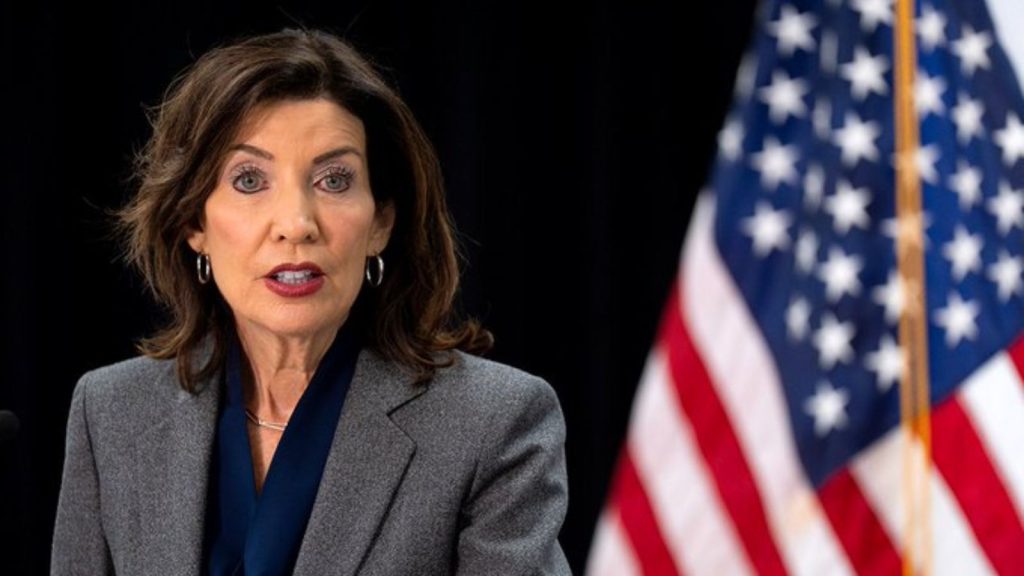
Gov. Kathy Hochul’s Aug. 28 pardon of Keisy Guerrero Mariano removed the conviction-based grounds that had made him subject to deportability and mandatory detention in the case known as Genalo v. Black.
After the pardon, both sides asked the Supreme Court to dismiss the case, and the Court did so on Sept. 11 under Rule 46.
The dismissal means the justices did not rule on whether prolonged immigration detention can require a bond hearing under the Fifth Amendment. Instead, the court fight ended because the parties agreed the case should no longer move forward.
For New Yorkers, the case illustrates how state-level actions may intersect with major federal legal questions. The dispute involved a New York conviction, a federal immigration detention rule, and a Supreme Court review planned to address when certain detained noncitizens may seek a bond hearing.
The case, Kenneth Genalo, Director of the New York Field Office of ICE, et al. v. Carol Williams Black et al., came from the Second Circuit, which includes New York, Connecticut, and Vermont. The Supreme Court’s dismissal leaves the Second Circuit’s decision in place for now rather than replacing it with a nationwide ruling.
Hochul’s office announced on Aug. 28 that she granted clemency to six people, including Mariano. The governor’s announcement identified Mariano, 38, as having been convicted of second-degree assault in 2015. The office said the clemency decisions were based on factors including review, rehabilitation, remorse, and community contributions.
The governor’s announcement did not state that the pardon was intended to affect the Supreme Court case.
The legal issue before the Supreme Court involved immigration detention under a provision of federal law known as INA § 1226(c). The question was whether people held under that mandatory-detention provision may have a Fifth Amendment right to a bond hearing after their detention becomes prolonged.
The Supreme Court granted review on June 15, 2026, and scheduled argument for Oct. 13. But after the pardon, the parties changed course. Supreme Court docket entries show that the Solicitor General and Mariano’s counsel filed a joint request to dismiss the case, and the Court recorded the case as dismissed under Rule 46.
Mariano was the remaining respondent when the Supreme Court considered the case. Another respondent, Carol Williams Black, had left the United States and said he would not return, leaving Mariano at the center of the remaining dispute.
The pardon became important because it removed the conviction underlying Mariano’s deportability and mandatory detention in this case. Mariano’s counsel argued that the case was no longer active, and the federal government agreed that the matter had become moot.
The outcome does not mean the Supreme Court decided whether prolonged immigration detention requires bond hearings. The justices did not rule on the constitutional question, and the dismissal did not create a new national standard.
Instead, the immediate effect is procedural: the Supreme Court will not hear arguments in this case, and the Second Circuit’s ruling remains in effect unless a later case changes it.
The case received attention because it involved a wider legal debate over immigration detention and due process. Supporters of reviewing the issue argued that lengthy detention raises constitutional concerns, while the federal government challenged the lower court’s approach.
With the Supreme Court case dismissed, future judicial challenges will determine how questions about prolonged detention and bond hearings develop. The issue could return to the courts through other cases involving immigration detention and constitutional protections.
For people following federal immigration policy in New York and the surrounding region, the key takeaway is that the Supreme Court did not settle the larger dispute. A pardon in one case changed the legal circumstances for one person and led both sides to request dismissal, but the wider constitutional question remains open.
Other Posts You Might Like.
- Federal Judge Rejects Trump’s Bid to Delay $5.8 Million Payout to E. Jean Carroll
- Judge Boasberg’s Chalk Protest Ruling Has Americans Asking Whether Equal Justice Is Becoming Optional
- Trump Faces New Court Fight Over Kennedy Center Name After Judge Orders Removal
If you like what you just read, then subscribe to our newsletter and follow us on social media.


