


Breakfast, the first meal of the day, is often called the most important meal. Skipping it may seem like a harmless habit, especially if you’re in a rush or believe it helps with weight loss. But, surprisingly, the act of avoiding breakfast can do more harm than good.
Despite the notion that skipping breakfast can lead to weight loss or improved health, scientific research and experts strongly discourage this habit. In fact, skipping breakfast can cause a range of health risks that many people aren’t aware of.
Here, we explore the hidden dangers of skipping breakfast and why it’s vital to prioritize this meal for overall well-being.
How Skipping Breakfast Affects Your Metabolism
When you skip breakfast, you’re depriving your body of essential nutrients and energy, which can negatively affect your metabolism. Your body requires fuel to function, especially after a long night of fasting. Breakfast kick-starts your metabolism and sets the tone for the rest of your day. Without this initial meal, your metabolism slows, leading to lower energy levels and reduced calorie-burning efficiency.
Skipping breakfast can also cause your body to enter “starvation mode,” slowing your metabolism to conserve energy. As a result, your body may store more fat, leading to long-term weight gain. Rather than skipping breakfast, it’s better to opt for a nutrient-rich meal that helps fuel the body for the rest of the day.
Increased Risk of Obesity

Many people skip breakfast with the hope that it will help them shed pounds. Unfortunately, this common misconception only contributes to the opposite effect. Skipping breakfast often leads to an increase in hunger later in the day, causing you to consume larger portions at lunch or dinner.
You might also indulge in unhealthy snacks throughout the day, leading to excess calorie intake. Research suggests that individuals who eat a healthy breakfast are more likely to maintain a healthy weight. Breakfast helps stabilize blood sugar levels, preventing overeating and cravings later in the day.
Therefore, skipping breakfast can increase the likelihood of overeating, ultimately contributing to weight gain over time.
Blood Sugar Fluctuations and the Risk of Diabetes
One of the critical functions of breakfast is to help regulate blood sugar levels. When you skip breakfast, your blood sugar may drop significantly, leading to feelings of dizziness, irritability, and fatigue. In response, the body releases stress hormones like cortisol to restore blood sugar levels, which can increase insulin resistance.
Over time, chronic skipping of breakfast can contribute to the development of Type 2 diabetes. Maintaining stable blood sugar levels is crucial for reducing the risk of diabetes. A balanced breakfast that includes whole grains, protein, and healthy fats can help keep blood sugar levels stable and provide lasting energy throughout the day.
Stomach Ulcers

Skipping breakfast isn’t just about feeling hungry later in the day—it can have serious effects on your gastrointestinal health. When you skip meals, stomach acid continues to be produced without food to neutralize it. This can result in the damage of the stomach lining and potentially lead to the development of ulcers, particularly gastric and duodenal ulcers.
Gastric ulcers are sores that form on the stomach lining due to excessive stomach acid. Duodenal ulcers occur in the upper part of the small intestine and are also exacerbated by excessive stomach acid secretion. Both conditions are painful and require medical intervention to manage.
To avoid these issues, it’s essential to nourish your stomach with food in the morning to balance acid levels and promote better digestive health.
Risk of Heart Disease and Gallstones
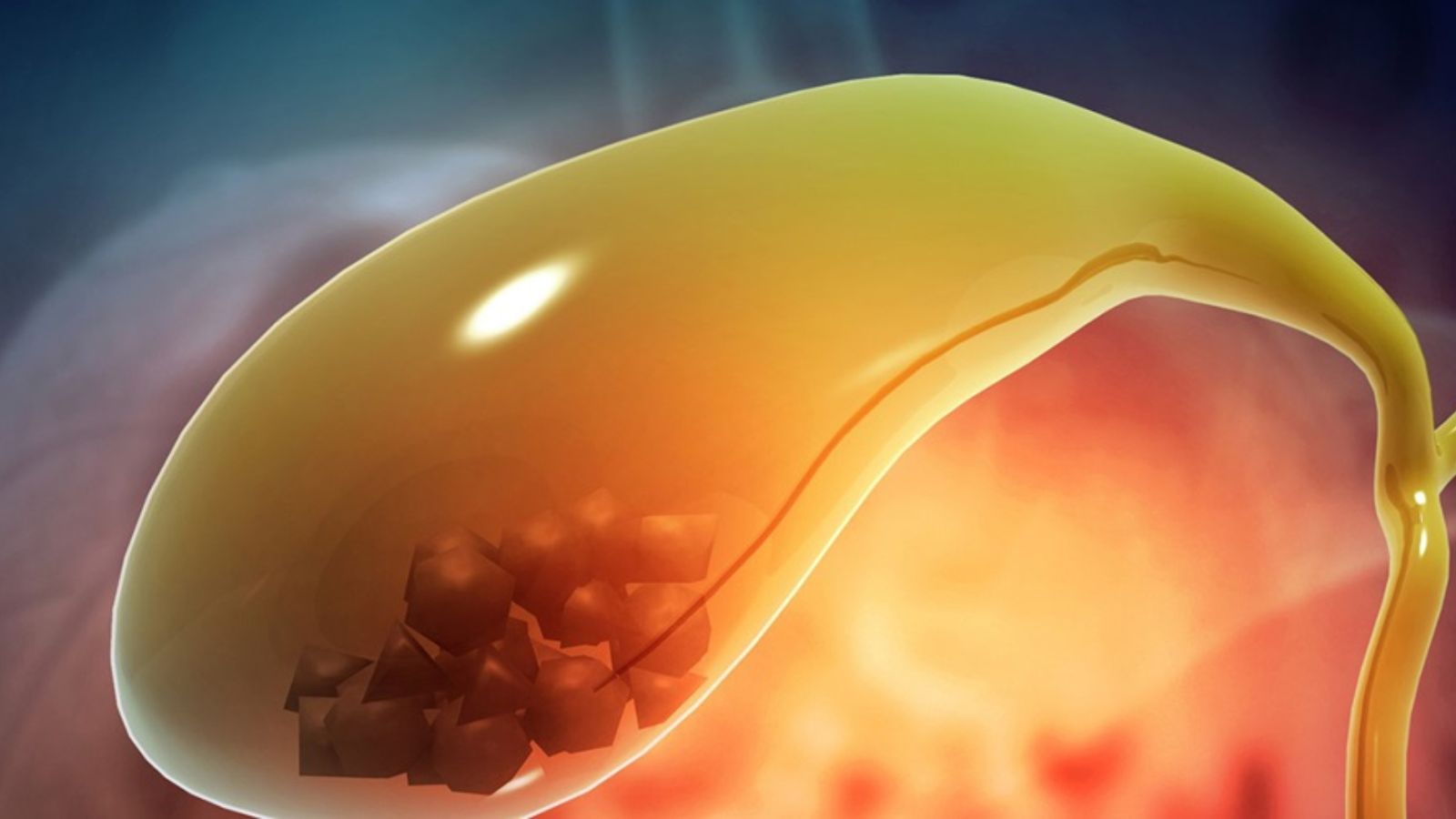
Skipping meals, especially breakfast, has been linked to the development of gallstones and heart disease. The gallbladder, which stores bile, plays an essential role in digestion. When you skip meals, the gallbladder doesn’t release bile as it normally would, causing bile to stagnate.
Over time, this stagnation can lead to the formation of gallstones, which are painful and may require surgery to remove. Moreover, a sluggish metabolism and increased hunger after skipping breakfast can lead to poor food choices and unhealthy eating habits. This combination of poor diet and disrupted metabolism can contribute to the accumulation of unhealthy cholesterol levels in the body, raising the risk of heart disease and other cardiovascular issues.
Skipping Breakfast May Lead to Nutrient Deficiencies

By missing breakfast, you’re likely missing out on several key nutrients that the body needs to function optimally. Breakfast is an opportunity to consume a variety of essential vitamins and minerals that help support overall health. Foods like whole grains, dairy, fruits, and vegetables provide important nutrients like calcium, fiber, and antioxidants.
Without these nutrients, your body may be more susceptible to deficiencies that can negatively affect your immune system, bone health, and energy levels. A lack of essential vitamins can lead to fatigue, weakened immunity, and even increase the risk of chronic diseases such as osteoporosis and anemia.
Conclusion
In summary, skipping breakfast may seem harmless, but it carries several hidden risks that can have long-term consequences on your health. From weight gain and blood sugar fluctuations to gastrointestinal issues and an increased risk of chronic diseases, the dangers of skipping breakfast should not be overlooked.
To ensure optimal health, it’s essential to prioritize a healthy, balanced breakfast every day. This meal provides vital nutrients and energy that your body needs to function properly, helps regulate blood sugar levels, and supports long-term weight management.
By making breakfast a part of your daily routine, you can enjoy better physical health, improved mental focus, and a reduced risk of various health conditions.


