Hidden Environmental Hazards: Everyday Products That Are Destroying the Planet
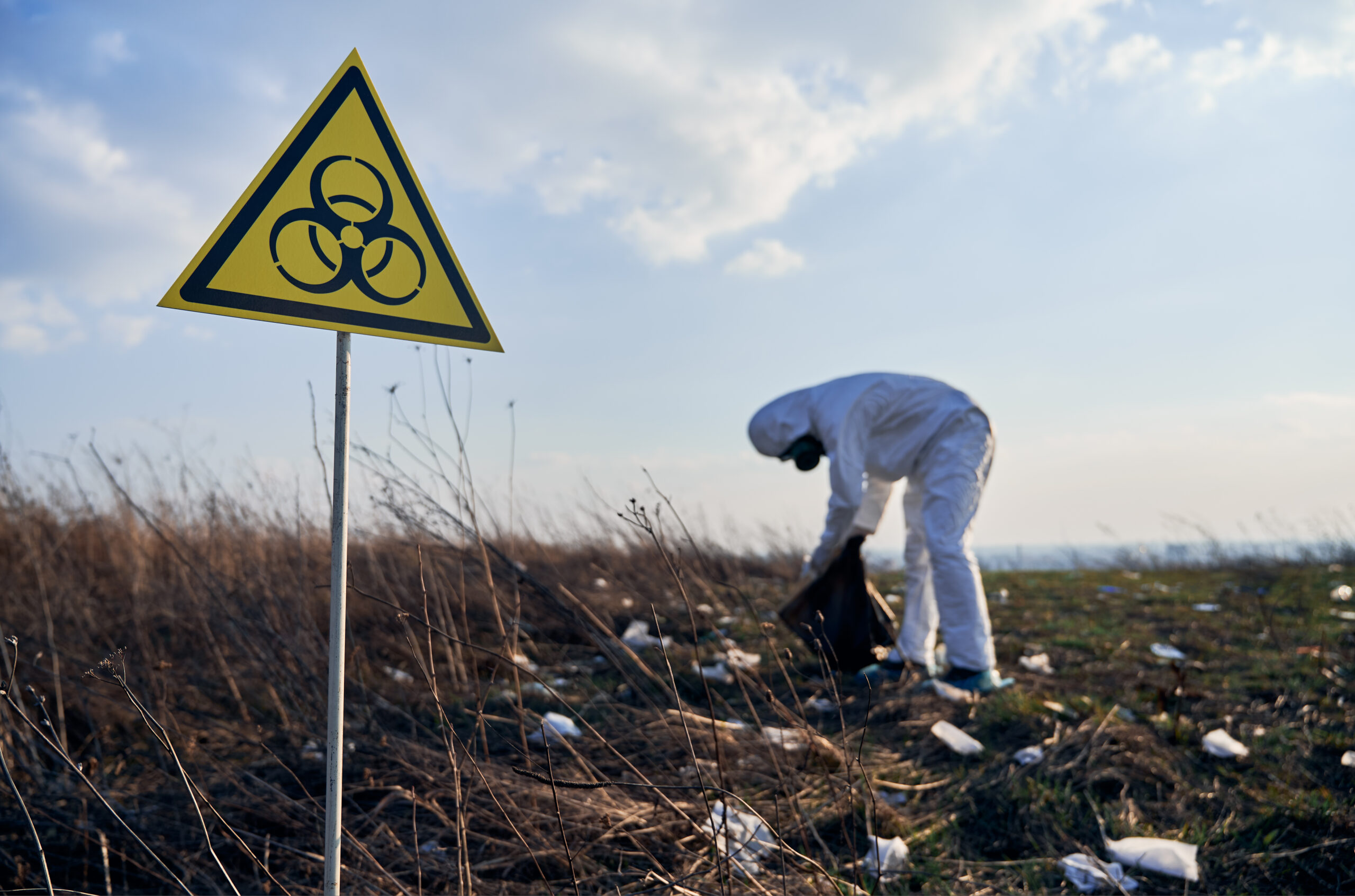
Focus on biohazard sign. On the blurred background researcher wearing white protective coverall, gas mask, collecting plastic garbage into black waste bag outdoors on a sunny day in spring
In recent years, global awareness of environmental issues has surged, with many people striving to minimize their carbon footprint, recycle more effectively, and reduce their ecological impact. Despite these efforts, countless everyday products still go under the radar, slowly but surely contributing to environmental degradation.
These seemingly harmless items, when used on a massive scale, have a devastating impact on our planet. In this article, we explore several unexpected products that are contributing to environmental harm, often in ways we don’t immediately recognize.
Single-Use Plastic Items: A Ticking Environmental Time Bomb
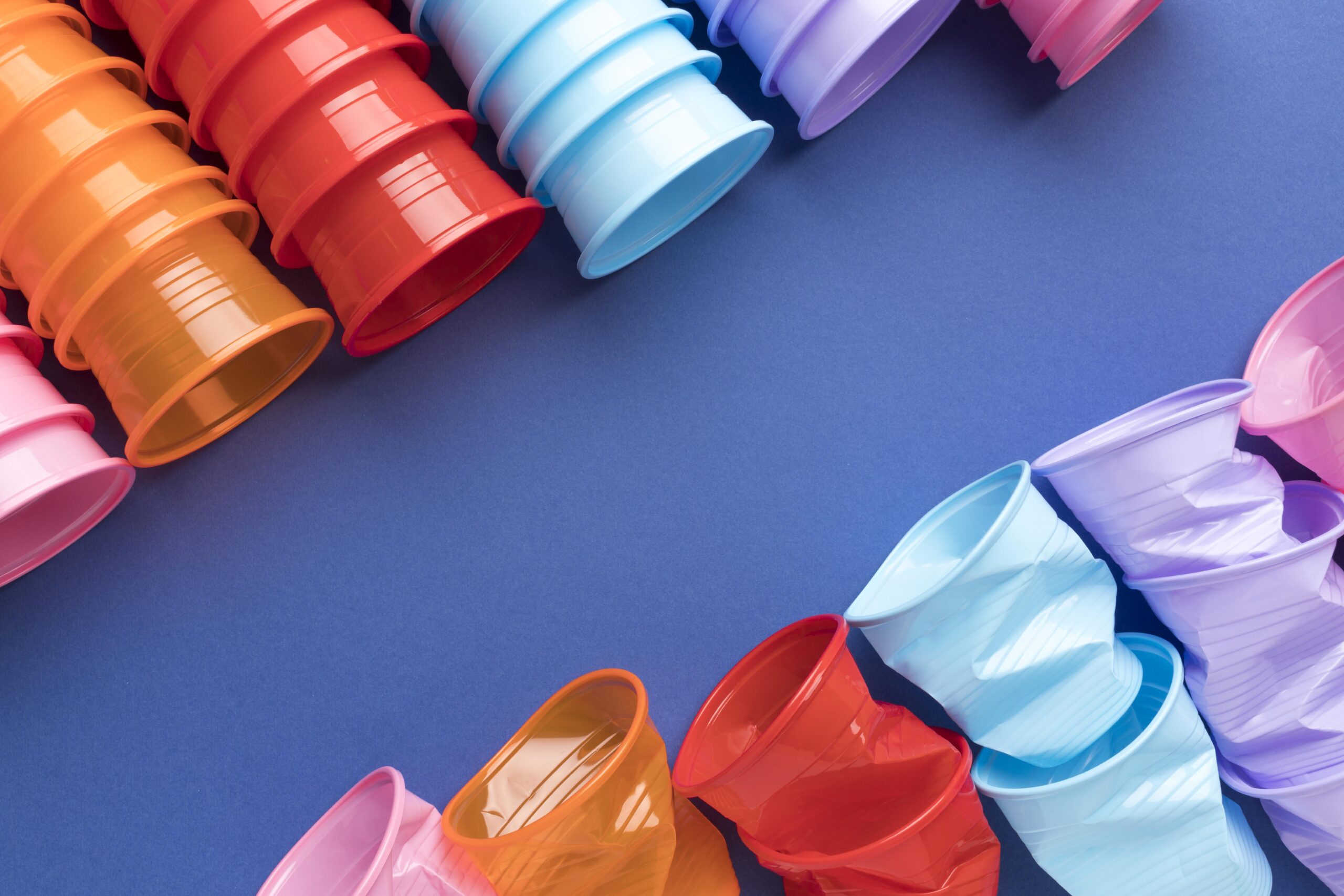
Plastic has long been a focal point in the environmental crisis. While many people are aware of the dangers of plastic bottles and bags, a far more insidious form of plastic waste comes from single-use items. Products like plastic straws, utensils, and containers are used for only a few minutes, yet they persist in the environment for centuries.
The Impact of Disposable Plastics
The staggering volume of disposable plastics used worldwide each day is mind-boggling. It’s estimated that more than 8 million tons of plastic waste end up in the ocean each year, contributing to the formation of massive floating trash islands and endangering marine life.
The production of these items requires vast amounts of resources, and their disposal exacerbates landfill issues, where they take hundreds of years to break down.
- Marine Life Impact: Sea turtles, fish, and other marine animals often mistake plastic debris for food, leading to choking, malnutrition, and death.
- Toxicity: Over time, plastics degrade into microplastics, tiny particles that infiltrate food chains, affecting organisms of all sizes, including humans.
Solutions
Switching to reusable alternatives, such as metal straws, biodegradable utensils, and eco-friendly packaging, can significantly reduce plastic waste.
Additionally, advocating for stricter regulations on plastic production and disposal is crucial for mitigating this environmental crisis.
Fast Fashion: The Hidden Pollutant in Your Closet
While the fashion industry is a significant economic driver, it also has one of the most severe environmental footprints. The phenomenon of fast fashion, where clothes are produced in vast quantities at low cost, is a major contributor to environmental degradation.
Cheap clothing may look stylish, but its production is incredibly resource-intensive.
The Environmental Cost of Fast Fashion
Fast fashion relies on synthetic fibers, such as polyester and nylon, derived from petroleum. These fabrics do not biodegrade, and every time we wash them, tiny fibers are released into the water supply, polluting oceans and rivers.
- Water Usage: The textile industry consumes 1.5 trillion liters of water annually. This massive demand contributes to water scarcity in many regions, particularly in areas already water-scarce.
- Waste: In the U.S. alone, more than 10 million tons of textile waste are sent to landfills each year, most of which comes from discarded fast fashion garments.
- Chemicals: Textile production uses toxic chemicals that can pollute rivers and groundwater, harming ecosystems and human health.
Solutions
To combat the environmental impact of fast fashion, consumers can support sustainable fashion brands, buy second-hand clothing, and make conscious decisions to purchase fewer, higher-quality garments that are built to last.
Cat Litter: A Silent Destroyer of Ecosystems
For many pet owners, cat litter is an everyday necessity. However, what most people don’t realize is that the most common types of cat litter, particularly those made from bentonite clay, contribute significantly to environmental destruction.
Environmental Toll of Bentonite Clay Mining
Bentonite clay, used in the majority of cat litters, is often strip-mined, a method that involves removing entire layers of earth to extract the clay. This process leads to soil degradation, vegetation loss, and destruction of animal habitats.
Additionally, mining operations often result in the leaching of heavy metals into nearby water systems, contaminating drinking water and harming marine life.
- Loss of Biodiversity: The destruction of natural habitats disrupts ecosystems and displaces wildlife, leading to a decline in biodiversity.
- Pollution: The mining process releases harmful chemicals into the environment, leading to long-term contamination.
Solutions
Switching to biodegradable cat litter options made from natural materials like recycled paper, corn, or wheat can significantly reduce the environmental impact of cat care. These alternatives not only prevent habitat destruction but also offer a safer, eco-friendly disposal option.
Disposable Coffee Pods: A Brewing Environmental Crisis

Coffee is a beloved beverage around the world, and the rise of single-serve coffee pods has made it easier than ever to brew a quick cup. However, these convenient pods, particularly K-Cups, have a significant environmental impact due to their plastic and aluminum construction.
The Waste Created by Coffee Pods
More than 13 billion coffee pods are used each year, and most are not recyclable because of their multi-material construction. These pods contribute to overflowing landfills, where they can take centuries to break down.
- Plastic Pollution: The plastic used in coffee pods is typically non-biodegradable, and even though some recycling programs exist, they are not widely accessible, resulting in enormous amounts of waste.
- Energy Consumption: Producing these pods requires significant energy, further increasing their environmental footprint.
Solutions
To minimize the impact of coffee pod use, consumers can opt for reusable coffee pods, eliminating the need for single-use plastics. Alternatively, switching to traditional coffee brewing methods, such as French presses or pour-over systems, can drastically reduce waste.
The Rise of E-Waste: Mobile Phones and Electronics
With the constant release of new smartphones, laptops, and other electronics, the demand for the latest devices is relentless. However, this culture of constant upgrading contributes to a growing problem: e-waste.
Environmental Consequences of E-Waste
Mobile phones and other electronics contain valuable metals such as gold, copper, and rare-earth elements. However, the process of extracting these materials can be incredibly destructive to the environment, involving deforestation, water contamination, and soil erosion.
- Toxic Components: Electronic devices contain hazardous materials, such as lead, mercury, and cadmium, which can leach into the environment when disposed of improperly.
- Landfill Overflow: As consumers upgrade their devices every 1-2 years, old phones and electronics are discarded, often ending up in landfills where they can take hundreds of years to break down.
Solutions
Recycling electronics through certified programs can help recover valuable materials and reduce the need for harmful mining. Additionally, consumers can extend the life of their devices by opting for repairs and upgrades instead of purchasing entirely new models.
The Surprising Harm of Fake Ice Cream Sprinkles
At first glance, fake ice cream sprinkles might seem harmless. However, these tiny plastic decorations can have a significant environmental impact, especially when improperly disposed of.
The Environmental Impact of Fake Sprinkles
When fake sprinkles made of plastic are discarded, they often end up in water sources, where marine animals ingest them. This leads to contamination in aquatic ecosystems, with the small particles entering the food chain and harming wildlife.
- Plastic Pollution: Just like other small plastic items, fake sprinkles contribute to the growing issue of microplastic pollution, which is particularly dangerous to marine life.
- Bioaccumulation: As microplastics accumulate in the food chain, they pose a potential threat to human health, as these particles can eventually make their way into the human body.
Solutions
To avoid contributing to plastic pollution, businesses and consumers can opt for edible, biodegradable sprinkles made from natural ingredients, providing a more sustainable, eco-friendly alternative.
Chopsticks: The Hidden Environmental Culprit

Though widely used across many cultures, disposable chopsticks pose a major environmental issue. Tens of billions of these single-use items are produced annually, contributing to deforestation and waste.
The Deforestation Crisis Caused by Chopsticks
The production of disposable chopsticks requires significant amounts of wood, leading to deforestation, particularly in countries like China. It is estimated that up to 20 million trees are used each year for chopstick production, with most chopsticks thrown away after just one use.
- Waste Accumulation: Disposable chopsticks are typically used only once, contributing significantly to landfill waste.
- Sustainability Issues: The environmental cost of producing and disposing of chopsticks far outweighs their convenience.
Solutions
Switching to reusable chopsticks made from materials like bamboo or stainless steel can drastically reduce the environmental impact of this everyday item. Encouraging the use of chopsticks made from sustainable materials can also help reduce deforestation.
Conclusion
As we continue to navigate the environmental challenges of the 21st century, it’s crucial to recognize that even the most mundane products can have a profound impact on the planet.
By making conscious choices, such as opting for sustainable alternatives and reducing waste, we can all help preserve the environment for future generations. Let’s work together to minimize the harm caused by these hidden environmental hazards and create a more sustainable world.
Original Article on Crafting Your Home