

This article was originally published on Crafting Your Home. A human contributor also wrote and edited the post.
House Democratic Leader Hakeem Jeffries is making corruption and government accountability central to his party’s message, warning that Americans are paying the price when powerful individuals abuse public trust.
“Corruption is out of control and hurting the American people. We will hold the crooks accountable,” Jeffries said in a recent statement, calling for stronger oversight and consequences for those who misuse positions of power.
The comment reflects a broader political fight in Washington, where both parties have increasingly focused on government ethics, conflicts of interest, and the influence of money in politics.
Jeffries, who represents New York and serves as the Democratic leader in the House of Representatives, has repeatedly argued that protecting democracy requires holding officials and institutions accountable when misconduct occurs.
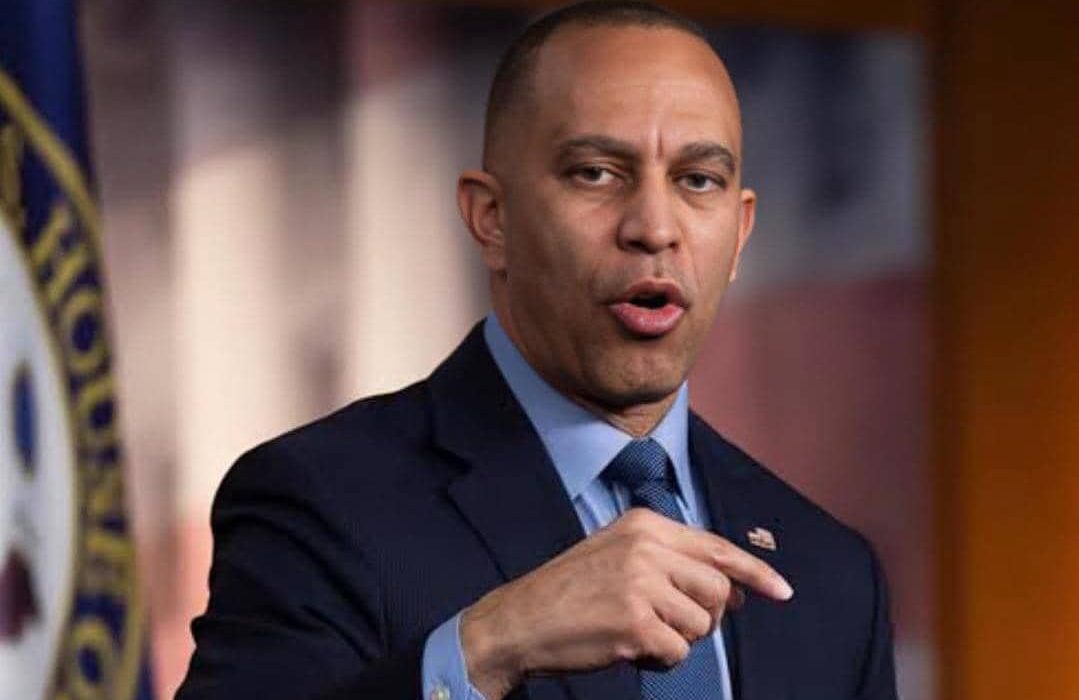
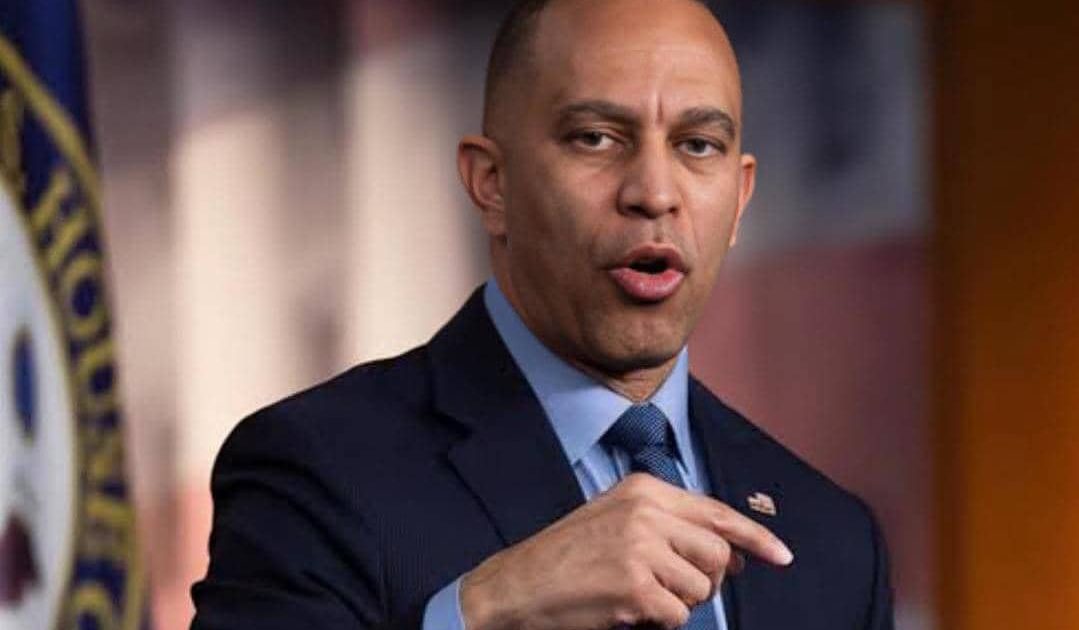
Jeffries makes corruption a major political issue.
Jeffries’ warning comes as public frustration over government trust remains high.
Polls over the past several years have shown that many Americans believe corruption and special interests play too large a role in politics. Concerns over lobbying, campaign donations, government spending, and ethical violations have become common themes among voters across the political spectrum.
Jeffries has argued that elected officials have a responsibility to focus on everyday Americans rather than powerful interests.
As House Democratic leader, he has positioned accountability as one of his party’s priorities, particularly when investigating potential misuse of government authority.
In previous remarks, Jeffries has criticized what he described as abuses of power and efforts to weaken oversight institutions.
He has also called for transparency from government officials and stronger protections for democratic institutions.
However, accusations of corruption have become one of the most politically charged issues in Washington.
Both Democrats and Republicans frequently accuse the opposing party of unethical behavior, while supporters often defend their own party’s officials.
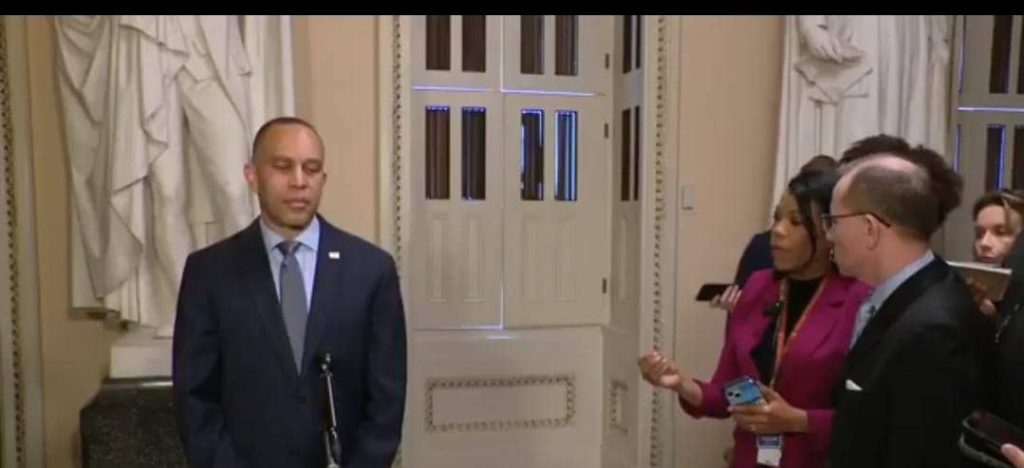
Republicans and Democrats clash over who is responsible.
Jeffries’ comments come during a period of intense political division, with both parties competing to define themselves as the side fighting corruption.
Democrats have frequently criticized former President Donald Trump and some Republican officials over ethics concerns, legal battles, and questions about conflicts involving political power and personal interests.
Republicans, meanwhile, have accused Democrats of using investigations and corruption claims for political purposes while pointing to controversies involving Democratic officials.
The debate has also extended to Congress itself.
Members of both parties have faced ethics of investigations, criticism over financial disclosures, and questions about relationships with outside groups.
The House Ethics Committee and other oversight bodies are responsible for reviewing allegations involving lawmakers and determining whether rules have been violated.
Supporters of stronger ethics enforcement argue that public officials should face consequences when they misuse their positions.
Critics warn that investigations can sometimes become political weapons used against opponents.
Accountability remains a major concern for voters.
Jeffries’ statement highlights an issue that continues to influence elections: trust.
Many voters say they want leaders who are transparent, responsible, and focused on public needs.
The challenge for lawmakers is turning promises of accountability into policies that produce measurable results.
Government watchdog groups have long pushed for reforms involving campaign finance, lobbying rules, and stronger ethics standards.
Organizations such as the U.S. Office of Government Ethics have emphasized the importance of maintaining public confidence by ensuring government employees follow ethics requirements.
Jeffries has argued that accountability should not depend on political party.
“The American people deserve better,” he has said in previous discussions about government responsibility, emphasizing that leaders should serve the public rather than personal interests.
For Democrats, corruption allegations have become part of a larger message about protecting working families and strengthening democratic institutions.
For Republicans, similar concerns have often been framed around government waste, excessive spending, and what they describe as political favoritism.
The disagreement shows why corruption remains such a powerful political issue: nearly everyone agrees it is a problem, but lawmakers often disagree over where it exists and how to fix it.
As the next election cycles approach, Jeffries and other congressional leaders are likely to continue making accountability a central part of their message.
For voters, the question will be whether political promises translate into meaningful reforms or remain another chapter in Washington’s long-running fight over trust and responsibility.
If you like what you just read, then subscribe to our newsletter and follow us on social media.


