
The post 8 Habits Grandkids Picked Up From Their Grandparents and Still Keep as Adults first appeared on Crafting Your Home.
Maybe you remember a jar filled with spare buttons, grocery bags carefully folded into a drawer, or a refrigerator where leftovers were never thrown away without a second thought. At the time, those little routines probably seemed ordinary. Grandma was simply saving a container. Grandpa was checking the pantry before going to the store.
Someone was reminding you to turn off the lights, put a little money aside, or finish what was already in the refrigerator. Then adulthood arrives, and suddenly you catch yourself doing exactly the same things. Not every grandparent lived this way, and not every grandchild carried these habits forward.
But families often teach without formal lessons. Children learn simply by watching adults repeat behaviors until they start to feel normal. Researchers sometimes describe this process as family socialization: the ways attitudes, values, and everyday behaviors can be passed along through conversation, observation, and shared experiences.
Here are eight familiar habits that may have quietly followed grandchildren into adulthood.
Setting Aside Money “Just in Case”

Maybe it was cash tucked inside an envelope. Maybe it was change dropped into a jar or a repeated warning not to spend every dollar the moment it arrived. The message was simple: Something unexpected always happens.
A grandparent may have learned that lesson after experiencing layoffs, medical bills, expensive home repairs, or periods when household income had to stretch farther than expected. Grandchildren who absorbed that thinking may use modern tools instead. The envelope becomes a separate savings account, and the coffee tin becomes an automatic bank transfer.
Research on financial socialization has found that young people can develop money attitudes and behaviors through family examples, conversations, and hands-on experience. Much of that research focuses on parents rather than grandparents, so giving grandparents all the credit would be an exaggeration. Still, the familiar advice to keep something “for a rainy day” clearly hasn’t disappeared.
Finding One More Meal in the Leftovers
At Grandma’s house, last night’s chicken might become tomorrow’s soup. Vegetables could reappear in an omelet, and bread that was getting a little dry still had a future as toast or breadcrumbs. Nothing edible seemed to leave the kitchen without a second chance.
For grandparents who experienced periods when money or food was tight, wasting perfectly usable food could feel especially unnecessary. Others simply learned to stretch a grocery budget because feeding a household required careful planning.
Years later, grandchildren may find themselves doing the same thing, packing tonight’s dinner for tomorrow’s lunch or freezing an extra portion instead of tossing it. The habit still has practical value. The U.S. Environmental Protection Agency recommends planning meals around food already at home, properly storing leftovers, and finding new uses for ingredients as ways to reduce household food waste.
The agency does not say grandparents are responsible for those behaviors. But anyone who grew up watching leftovers receive a second life may recognize where the instinct began.
Checking the Pantry Before Going Shopping
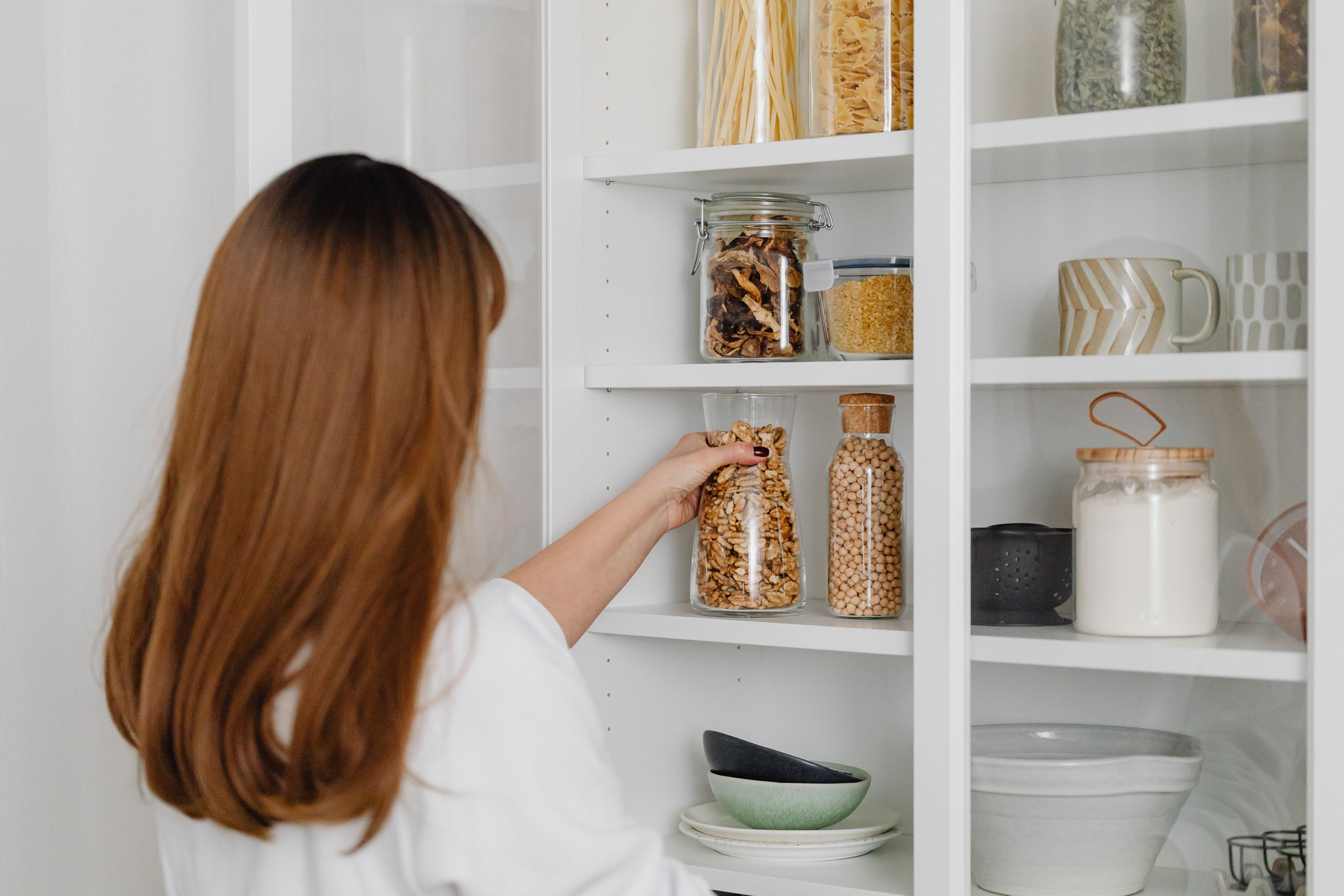
Some grandparents seemed to know exactly what was inside every cupboard. They knew there were three cans of tomatoes, half a bag of rice, enough flour for one more batch, and something hidden at the back of the freezer that needed to be used first.
That kind of awareness often came from necessity. Fewer trips to the store, limited household budgets, or simply years of cooking for a family encouraged careful planning. An adult grandchild might now open the refrigerator before ordering groceries or check the pantry before making a shopping list.
It’s a small habit, but it can prevent buying food the household already has. The EPA specifically recommends checking the refrigerator, freezer, and pantry before shopping to reduce food waste. Apparently, Grandma’s unofficial inventory system had its merits.
Trying to Fix Something Before Replacing It
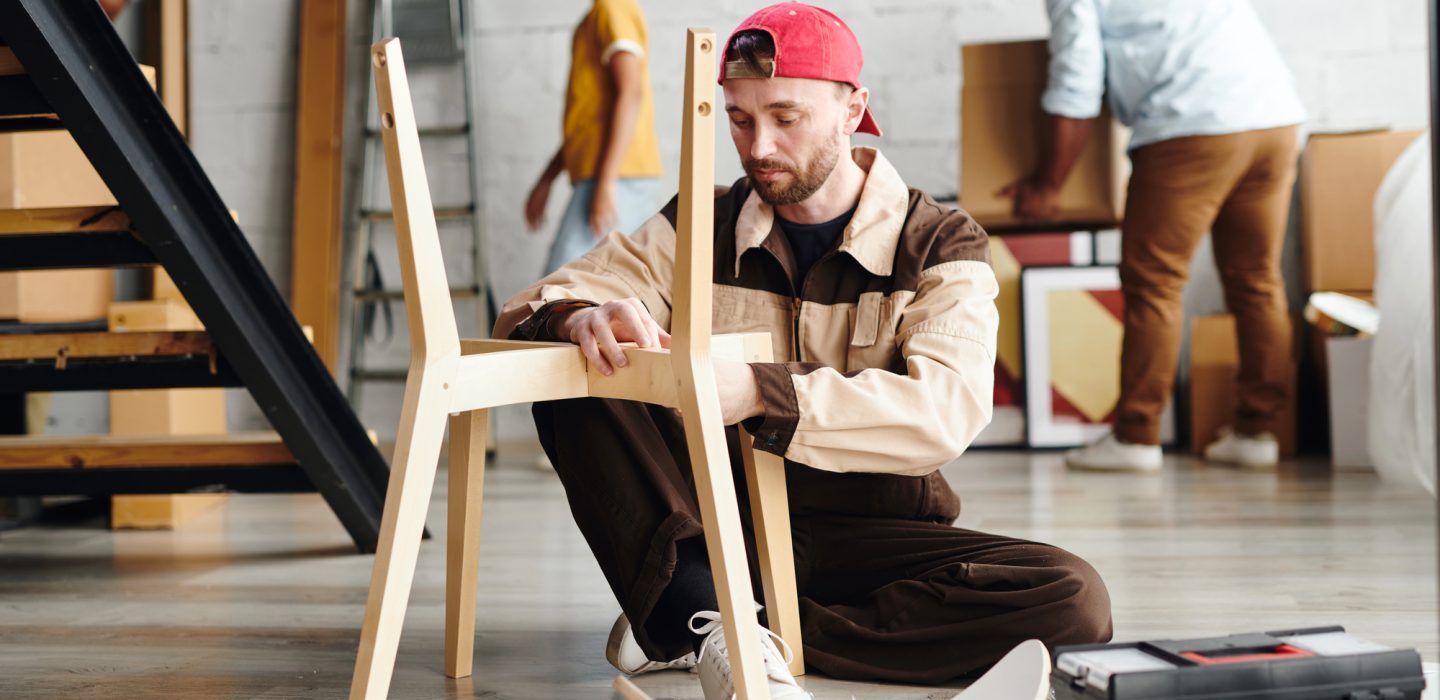
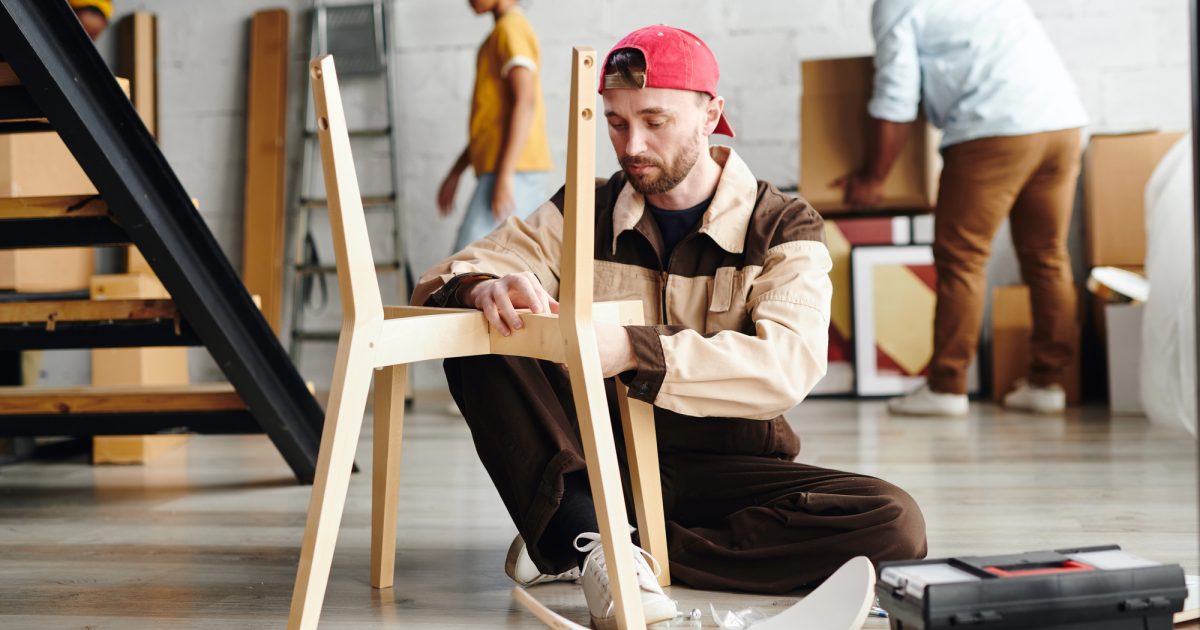
A missing button didn’t automatically mean a new shirt. A loose chair could be tightened. A torn seam could be stitched. A broken household item might sit on the workbench until someone figured out whether it could be repaired.
For some grandparents, repairing things was economically necessary. For others, it was simply part of caring for possessions. Grandchildren who watched those repairs may still hesitate before throwing something away.
That doesn’t mean every broken toaster deserves hours of troubleshooting. Sometimes replacement is safer or more practical. The inherited habit is simply asking one question first: Can this be fixed?
The EPA encourages consumers to repair clothing, furniture, and electronics when practical instead of discarding them immediately. That old repair-first instinct fits surprisingly well with today’s efforts to reduce waste.
Giving Jars, Bags, and Containers Another Job
Throw away a perfectly good jar? Not so fast. In some grandparents’ homes, jars became storage containers, shopping bags made several more trips, and wrapping paper was carefully folded for another occasion.
Sometimes reuse was about saving money. Sometimes it reflected a culture of making do with what was available. Grandchildren may continue the tradition, although perhaps with limits after discovering a kitchen cabinet overflowing with containers and mismatched lids.
The basic principle remains useful. The EPA recommends reusing bags and containers when appropriate as one way households can reduce waste. Grandparents may not have called it sustainability. They may simply have called it common sense.
Making Food From Scratch

Some family recipes never had precise measurements. You learned them by watching. A grandparent might tell you the dough needed “a little more flour,” the onions weren’t ready until they “looked right,” or the seasoning should be added until the dish tasted the way everyone remembered.
Cooking together can pass along much more than a recipe. It can teach basic kitchen skills, confidence, family history, and cultural traditions. A small Danish observational program involving grandparents and grandchildren found improvements in participating children’s cooking skills, although the effects on their overall diets were limited.
That distinction matters. Cooking with grandparents isn’t a magical recipe for perfect eating habits. But years later, the grandchild who once stood on a stool stirring the bowl may still know how to turn a handful of ingredients into dinner.
Growing Something of Your Own
For some grandchildren, visiting Grandma or Grandpa meant eventually being sent outside. Pick the tomatoes. Water the flowers. Check whether the beans are ready. Bring in some herbs for dinner.
Gardening gave generations something practical to do together. University of Illinois Extension describes intergenerational gardening as an opportunity for older and younger people to share gardening knowledge, skills, stories, and cultural traditions. Not every grandchild grows up to maintain a vegetable garden.
Sometimes the habit survives in a much smaller form: a pot of basil on an apartment windowsill, tomatoes on a balcony, or a few herbs growing near the kitchen. Even that can bring back memories of someone teaching you that plants cannot be rushed. They need attention, water, and time.
Making Time for Family Rituals
Sometimes the most lasting habit isn’t about money, food, or household chores. It’s simply showing up. Maybe Grandma made Sunday pancakes. Perhaps Grandpa told the same story every holiday. Maybe everyone gathered for one particular meal each year, even when schedules became complicated.
Family rituals create repetition, and repetition creates memories. Organizations such as ZERO TO THREE note that family traditions and routines can contribute to connection and a sense of identity. Research involving grandparents and grandchildren has also documented how much families value shared festive and leisure activities.
That doesn’t mean every childhood tradition survives unchanged into adulthood. Families move. Relationships change. New partners, children, jobs, and circumstances reshape old routines.
But grandchildren often carry the underlying idea forward: make time for the people who matter. The recipe may change. The gathering may happen on another day. The family itself may look completely different.
The ritual survives because the purpose survives. A family legacy doesn’t always arrive as an heirloom or a dramatic piece of advice. Sometimes it is tomorrow’s lunch saved in a container, a few dollars quietly moved into savings, a loose button repaired instead of ignored, or a familiar meal made the way someone taught you years ago.
These habits can seem almost invisible while we’re learning them. Then one day, you fold a grocery bag, check the pantry before shopping, or save a jar because it might be useful later and realize a small part of your grandparents’ household has followed you home.
This version is shaped for NewsBreak readability, with shorter mobile-friendly paragraphs and stronger nostalgic transitions while retaining the research-supported framing from your source draft.
Other posts you might like:
- old-fashioned-chores-your-grandparents-did-that-modern-kids-skip
- nahttps://craftingyourhome.com/na-oma-lolo-what-grandchildren-call-their-grandparents-around-the-world
- 9-gifts-grandchildren-say-they-treasured-most-from-their-grandparents
If you like what you just read, then subscribe to our newsletter and follow us on social media.