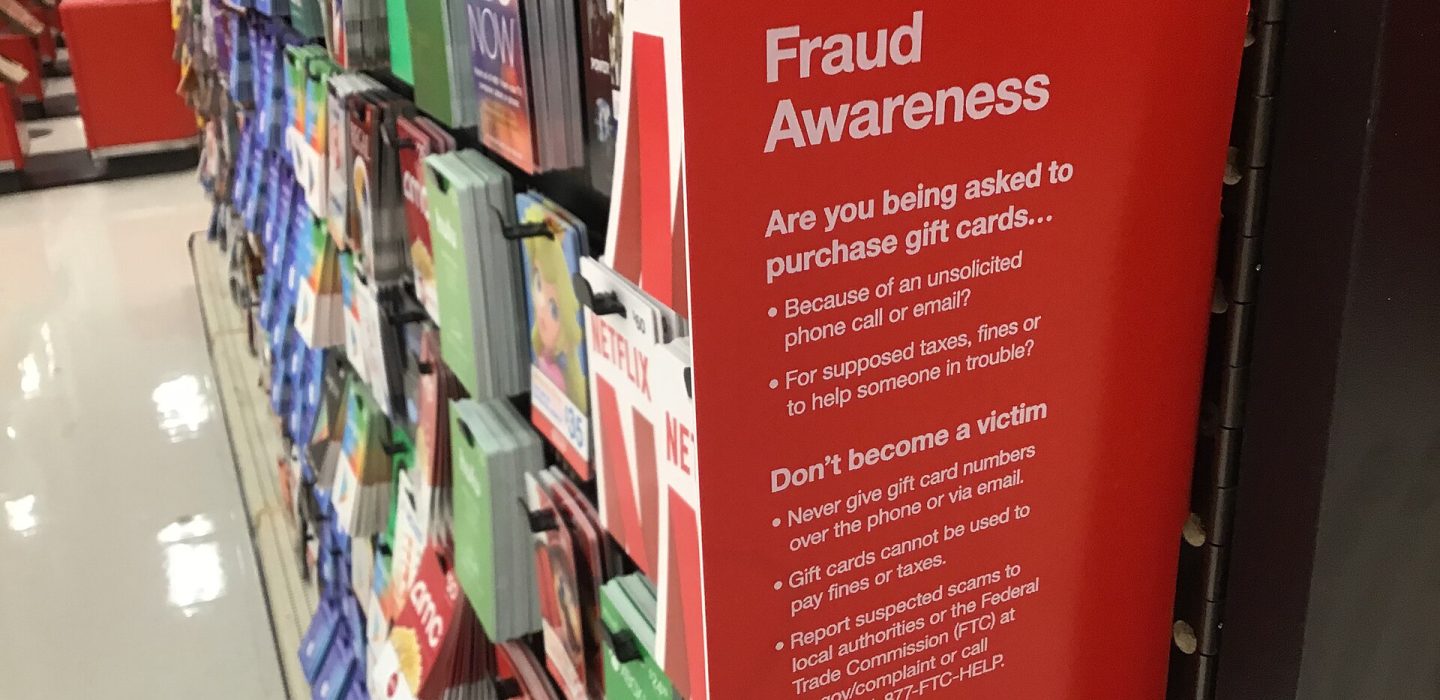

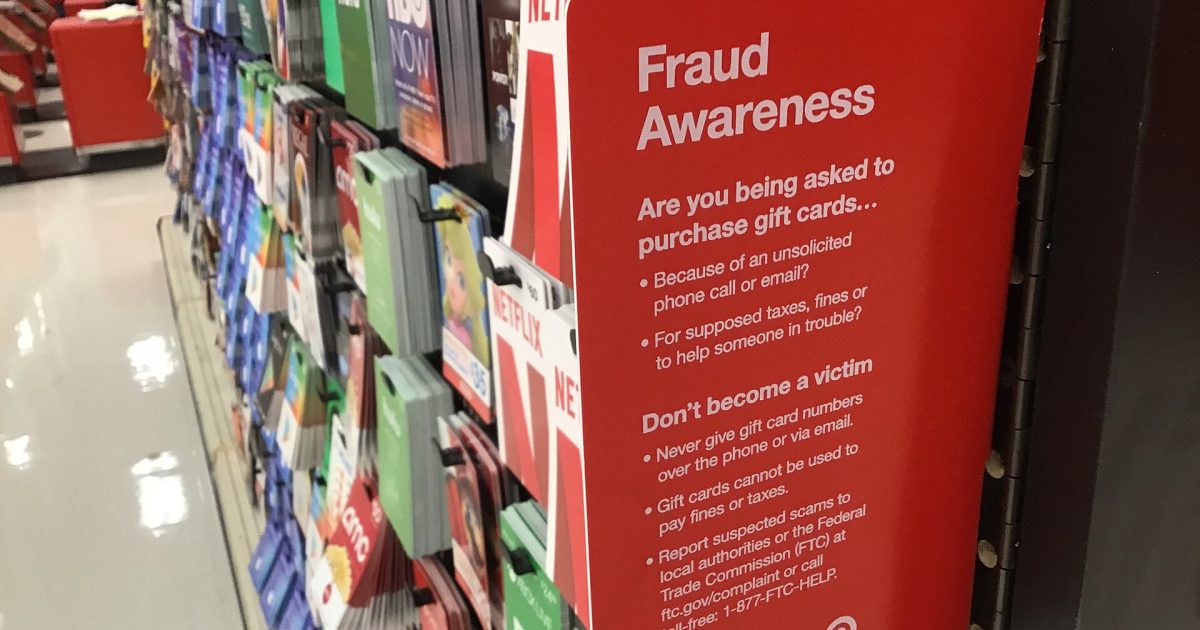
Only scammers ask for payment in gift cards. That is the plain rule the Federal Trade Commission repeats in its guide to gift card scams, and it holds for every story a caller or texter might tell, from a boss who needs “a favor” to a utility company threatening a shutoff. With gift card shopping about to pick up for the holidays, the FTC’s list of 7 common stories is worth knowing before the phone rings.
The FTC’s guide was published January 28, 2026 and last modified June 9, 2026. Its message has not changed: no legitimate business or government agency demands payment in gift cards.
How the Scams Start and What They Want

According to the FTC’s Avoiding and Reporting Gift Card Scams page, the scam starts with a call, text, email or social media message. The scammer pushes the target to buy gift cards and read out the numbers and PINs. Three tactics show up again and again: false urgency, specific instructions that name the card brand and the store, and requests for the card number and PIN or a photo of the card, which lets the scammer drain the funds even if the physical card stays in hand.
Some scammers split purchases across several stores or stay on the phone while the victim loads money onto the card. Anyone who is told to keep a caller on the line while buying cards should end the call. Holiday gift buying also makes the season busy for mail and shipping, with dates in a note on the Dec. 17 USPS holiday cutoff, and shoppers sorting gifts for new parents may like a list of 100 unique baby names. A wider look at how large imposter losses have become is in a report on the $3.5 billion people reported losing to imposter scams in 2025. Gift card shoppers who want a break from the topic can browse tips to plan a gender reveal party guests will enjoy.
The 7 Stories Scammers Tell
The FTC lists 7 common stories behind gift card demands. Each is a variation on the same theme: an authority or a loved one needs money now, and the only acceptable method is a card.
Government impersonators. Callers claiming to be from the IRS, Social Security or the FTC itself demand payment. A recent report on Social Security impostors who cite a direct deposit problem shows the pattern, and the SSA inspector general’s warning about fake badges and real employee names is a reminder that detail does not equal legitimacy.
Tech support impersonators. Callers who say they are from Microsoft or Apple ask for remote access and payment by card. Cards sold in stores are a gift staple, and a list of the weirdest and most unconventional delicacies in the U.S. shows how far shoppers go for something different.
Fake emergencies. A caller claims a friend or relative is in trouble, sometimes with a cloned voice. A related holiday twist is the “mistaken delivery,” in which a seller claims a package went to the wrong address and asks for shipping money or gift cards, according to an October 19 PeopleFinders analysis distributed by Stacker.
Fake prizes. A prize supposedly requires a gift card “fee.” The FTC’s guide to fake prize, sweepstakes and lottery scams says real prizes are free.
Utility shutoff threats. A caller claims the electricity or gas will be cut off unless a card payment is made. Winter bills make the threat feel real, and for a lighter read there is a roundup of the most unflattering things boomers still wear.
Romance scams. Someone met on a dating site asks for card payments.
Fake checks. A buyer sends a check for more than the agreed amount and asks for the difference on a gift card.
The Workplace Version Is Showing Up by Text
An FTC consumer alert from January 27, 2026 described messages that pretend to come from a boss with an “urgent favor.” The scammer asks for gift cards and may use the term “Google certificates” to mean gift cards. If questioned, the sender may claim the cards are for a company event. The FTC advises contacting the boss through a number or email already known to be real.
The same alert says never to share gift card numbers or PINs, and to keep a photo of any card and the store receipt when buying gift cards for others, so problems can be reported quickly.
If the Numbers Have Already Been Shared
Postal inspectors, whose imposter scam page tells the public not to respond to anyone who demands payment or personal information, take reports of mail-related fraud. The FTC says to contact the gift card company immediately, however long ago the scam happened, and ask for the money back, since some companies may refund it. Use the card and the receipt. Then report at ReportFraud.ftc.gov. The agency’s list of company contacts includes Amazon at 1 (888) 280-4331, Target at 1 (800) 544-2943, Walmart at 1 (888) 537-5503, Best Buy at 1 (888) 237-8289 and Apple at 1 (800) 275-2273.
When buying cards as gifts, the FTC advises shopping at stores known and trusted, avoiding online auction sites where cards may be fake or stolen, and checking that protective stickers are intact and the PIN is not visible.
The One Rule That Covers Every Story
No matter the story, the rule is the same: only scammers ask for gift cards as payment. The practical response is to hang up, verify the request through a number found independently, and report it at ReportFraud.ftc.gov.
The FTC’s guide to donating safely makes the same point for charity requests, listing gift cards among the payment methods to avoid. For the holiday season, that rule also protects the cards bought as presents, which are worth the most when the numbers stay private. Keeping a photo of the card and the receipt costs nothing and speeds up any later report.
Get stories like this by email. Sign up for Crafting Your Home.
This article was produced with AI assistance and edited for accuracy against the sources linked above.
Image: Mike Mozart – CC BY 2.0/Wikimedia Commons