The post 10 Garage Habits That Quietly Annoy the Whole Street first appeared on Crafting Your Home.
The garage might be your personal space, but what happens around it doesn’t always stay on your property. From early-morning power tools to bright security lights shining through bedroom windows, everyday garage habits can unexpectedly create neighborhood tension.
Many homeowners use their garages for much more than parking. They’re workshops, storage spaces, entertainment areas, and places to work on vehicles. None of those activities is automatically a problem. Trouble usually starts when noise, smoke, parking, or other disturbances extend beyond the driveway. A 2021 study in the International Journal of Environmental Research and Public Health analyzed 1,973 completed questionnaires in Germany and found that neighbor relationships, neighborhood satisfaction, and noise sensitivity helped predict annoyance from neighboring properties.
The interesting part is that many annoying garage habits are completely unintentional. Homeowners often get comfortable with their routines and overlook how those activities affect nearby neighbors.
Here are ten common garage habits that can quietly damage good neighbor relationships.
Opening and Slamming the Garage Door at Odd Hours
Garage doors are designed for convenience, but a noisy door can stand out in a quiet neighborhood. The potential problem isn’t simply that garage doors make noise. Sudden sounds stand out more against a quiet background, especially at night.
A 2018 systematic review by Mathias Basner and Sarah McGuire, published in the International Journal of Environmental Research and Public Health, examined evidence connecting environmental noise exposure with sleep outcomes. Their review helps explain the broader importance of protecting nighttime quiet, although it does not specifically measure residential garage door noise.
Fortunately, homeowners don’t necessarily need to change their schedules. Regular garage door maintenance can help address unnecessary rattling, squeaking, or vibration. Worn rollers, loose hardware, and poorly maintained moving parts may contribute to unwanted noise.
Turning Every Weekend Into a Power Tool Marathon

A garage workshop can be a rewarding place to build furniture, repair household items, or enjoy a hobby. However, the sound of repeated drilling, grinding, and sawing can extend well beyond the garage. The timing and duration of these projects matter. A brief afternoon repair is one thing. Several hours of power tools early on a Sunday morning can be a very different experience for neighboring households.
According to the CDC’s National Institute for Occupational Safety and Health, some power tools can produce noise levels around 85 to 90 decibels. That’s a measurement of sound at the exposed person’s location, not a prediction of how loud the tool will be inside a neighboring house. Still, the figures show why residential areas should consider power tools.
Homeowners can reduce potential disruptions by scheduling louder projects during reasonable daytime hours, avoiding unnecessary extended tool use, and checking applicable local noise ordinances. When ventilation and safe tool operation allow, closing the garage door can also help contain some noise. Where possible, quieter tools and thoughtful project planning can make home improvement less disruptive. Enjoying a workshop is not inconsiderate. The problem begins when everyone else is expected to enjoy it at the same volume.
Related: 6 vintage garage tools that are just gathering dust today
Hosting Loud Garage Parties That Run Past Midnight
Garages often become convenient gathering spaces. There’s room for chairs, music, refreshments, and friends without needing to rearrange the entire house. A casual gathering can be perfectly reasonable. Problems arise when music, conversations, and repeated arrivals of vehicles continue late into the night. Repeated unwanted nighttime noise can interfere with the quiet people expect at home. Garage gatherings also create secondary annoyances. Guests may leave car doors slamming, talk loudly beside parked vehicles, or stand outside talking after the music stops.
A practical approach is to keep speakers at a moderate volume, move louder activities indoors as the evening progresses, and encourage guests to depart without unnecessary noise. Check local quiet-hour rules, as restrictions differ by community. Being considerate doesn’t mean giving up social gatherings. It means remembering that the celebration shouldn’t automatically become everyone’s evening entertainment.
Blocking Neighbors’ Driveways With Visiting Cars
Few garage-related habits create frustration as quickly as making it difficult for someone else to enter or leave their property. This can happen during parties, weekend projects, or casual visits. A homeowner may tell a guest to park along the street without checking whether the vehicle extends across a neighboring driveway entrance. Even partial obstruction can create problems when someone needs to back out, receive a delivery, or leave for work.
The issue becomes especially important when vehicles block sidewalks and pedestrian access. The U.S. Access Board’s Public Right-of-Way Accessibility Guidelines specify a minimum continuous clear width of 48 inches for most pedestrian access routes covered by the guidelines, subject to stated exceptions. These are accessibility design requirements, not a blanket rule governing every privately owned driveway. They nevertheless illustrate the importance of keeping pedestrian routes unobstructed.
A vehicle extending over a sidewalk can make it difficult for wheelchair users, people pushing strollers, and pedestrians who would otherwise have to enter the road to get around it. A little parking coordination can prevent a surprisingly awkward conversation between neighbors.
Letting Smoke and Strong Odors Drift Across Property Lines
A homeowner might barely notice the smell of a garage project after working on it for several hours. Someone next door may experience it differently when the odor reaches their patio or an open window. Common garage activities involving paints, solvents, vehicle exhaust, and certain cleaning products can release substances into the surrounding air. The level of concern depends on the product, how it is used, how much is released, and the conditions under which it disperses.
Homeowners can help by avoiding unnecessary idling, following product instructions, and properly containing chemicals and waste materials. Painting and other activities involving strong fumes should be approached with suitable ventilation and safety precautions. Simply closing a garage door isn’t a safe solution when hazardous fumes or combustion exhaust may build up inside. Respecting a property line should include considering what travels across it, even when that substance isn’t visible.
Related: 7 Simple Ways to Go Green with Your Cleaning Routine
Leaving Garage Security Lights Shining Into Nearby Bedrooms

Outdoor security lighting can help illuminate a driveway, identify visitors, and help you navigate a property after dark. However, a powerful light aimed directly toward a neighboring home can create a different problem. A floodlight installed above a garage door may illuminate much more than its owner intends. Depending on its position and brightness, the beam could reach nearby windows, patios, or outdoor seating areas.
Lighting professionals call unwanted light extending beyond its intended area light trespass. In 2020, DarkSky International and the Illuminating Engineering Society introduced the Five Principles for Responsible Outdoor Lighting, which were updated in September 2026. Their recommendations encourage property owners to use lighting only when necessary, aim light toward the intended area, avoid excessive brightness, use timers or motion controls, and choose warmer-colored light where practical.
For homeowners, the practical solution is often straightforward. Adjust the fixture so the beam points toward the driveway instead of across the street. Consider a shielded fixture or motion-activated lighting that turns off when it’s not needed. A smart outdoor lighting system can also offer adjustable brightness and scheduling controls. Good security lighting should make the property easier to navigate without unnecessarily illuminating someone else’s bedroom.
Revving Motorcycles and Cars Just for the Sound
Some vehicle enthusiasts enjoy the sound of a powerful engine. A garage can also be where a treasured motorcycle or performance car gets careful attention. There’s nothing inherently wrong with enjoying vehicles or maintaining them at home. Unnecessary revving, however, can introduce loud, abrupt sounds into an otherwise quiet residential street. For nearby residents, the annoyance may come as much from the noise’s suddenness as from its duration.
Vehicle owners can make their routines more neighbor-friendly by minimizing unnecessary revving, maintaining exhaust systems, and avoiding prolonged engine operation near residential windows. Mechanical testing may sometimes be necessary, but it should be conducted with attention to local noise restrictions and appropriate safety conditions. A vehicle can remain someone’s pride and joy without becoming the street’s unofficial alarm clock.
Running a Constant Stream of Garage Sales or Side Projects
A garage can be an excellent place to sell unwanted household items, repair equipment, or operate a small hobby-based business. Occasional activity is generally easy to accommodate. However, frequent visitors, repeated deliveries, and vehicles arriving throughout the day may create practical difficulties on a residential street. Even if the activity seems harmless, it may cause congestion or interfere with neighbors’ driveways.
Another consideration is whether the activity complies with local zoning requirements. Rules for home-based businesses, commercial activity, signage, and visitor parking differ by municipality. A small operation may be permitted in one residential area but subject to additional restrictions elsewhere.
Homeowners should check applicable zoning rules and HOA requirements before assuming that an activity conducted at home is automatically permitted. For those who regularly receive customers, scheduled appointments can help reduce unexpected traffic. Keeping loading activities on private property, where possible, also helps protect public access.
Related: Selling These 9 Things at a Garage Sale Could Cost You More Than You Think
Setting Trash Bags Outside Days Before Collection
Garages are convenient places to organize household waste before collection day. However, leaving loose trash bags beside the garage or at the curb for extended periods can create an unattractive and potentially messy situation. Weather can expose bags, and animals may knock them over or damage them. If waste spills onto the driveway or sidewalk, the problem extends beyond the person who put it there. The issue becomes more complicated when garage waste includes materials that shouldn’t go in ordinary household garbage.
The EPA identifies motor oil, automotive batteries, paints, solvents, and certain cleaners as examples of materials that may require special disposal procedures. Its household hazardous waste guidance encourages residents to use appropriate local collection programs rather than dispose of potentially hazardous substances through ordinary drains or onto the ground.
Waste collection arrangements vary across the United States. Some municipalities specify when bins can be placed at the curb, how quickly they must be retrieved, and which containers residents should use. Those requirements should be checked locally rather than assumed to apply nationwide.
Treating the Street Outside the Garage Like Private Property
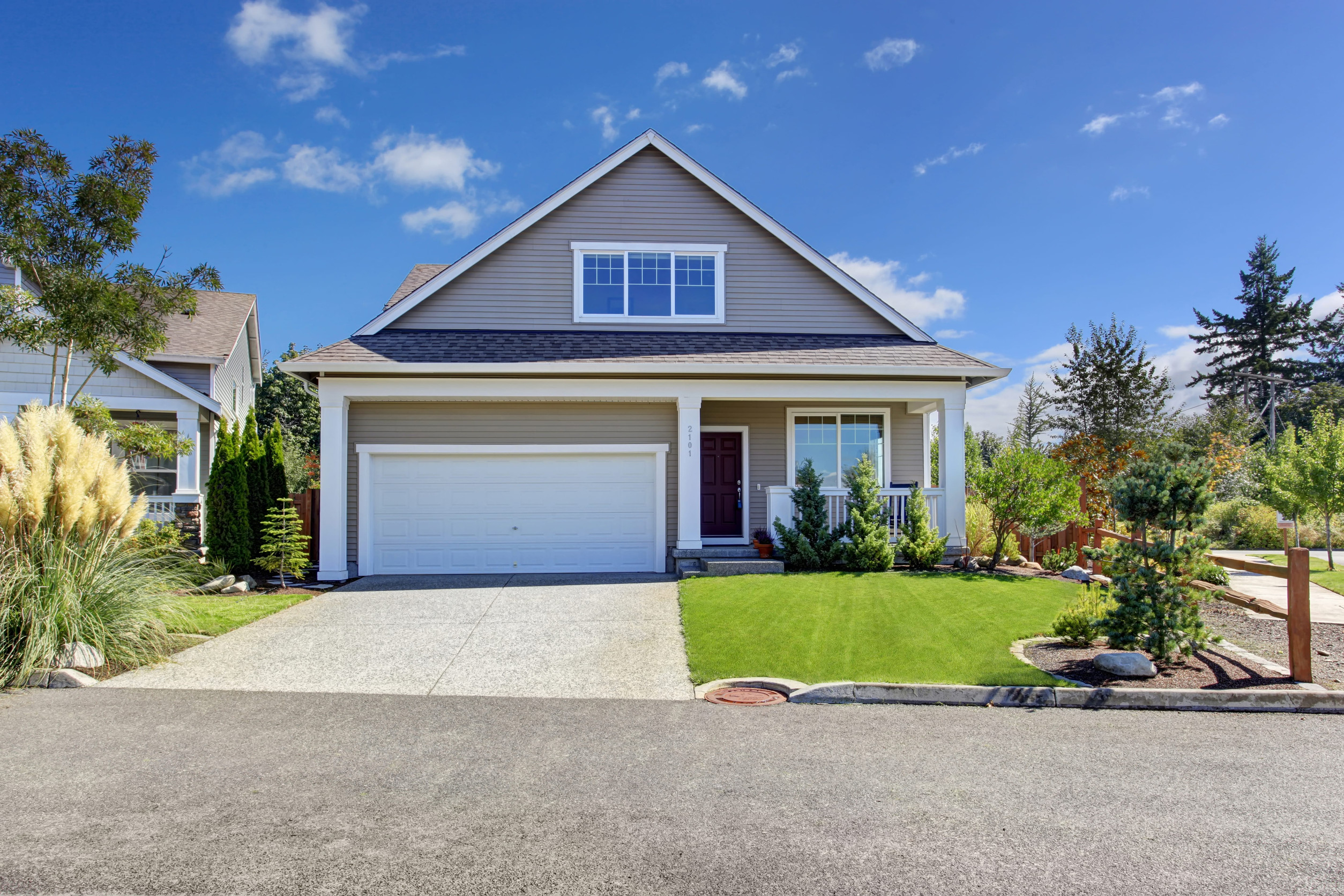
The final habit is less about noise or clutter and more about boundaries. Some homeowners gradually begin treating the public space outside their garage as an extension of their property. They may leave equipment near the curb, position objects to discourage parking, or expect neighbors to keep public street spaces permanently available. But owning a home doesn’t automatically provide exclusive control over the public roadway in front of it.
Parking rights and restrictions depend on local laws, posted signs, property boundaries, and any relevant permits. Similarly, streets and sidewalks serve more than the individual households located beside them. The U.S. Access Board’s accessibility guidelines emphasize continuous accessible pedestrian routes. Keeping public walkways clear helps preserve access for people with different mobility needs.
An outdoor storage project that extends onto a sidewalk can therefore create more than an appearance issue. It’s reasonable to want convenient garage access. Other residents also have a reasonable expectation that public spaces remain available for their intended use.
Other Posts You Might Like
- 8 Ways to Declutter Your Home and Simplify Your Life
- 6 backyard tools that might soon be illegal
- 14 Now-Useless Skills Most People Over 40 Developed
If you like what you just read, then subscribe to our newsletter and follow us on social media.