

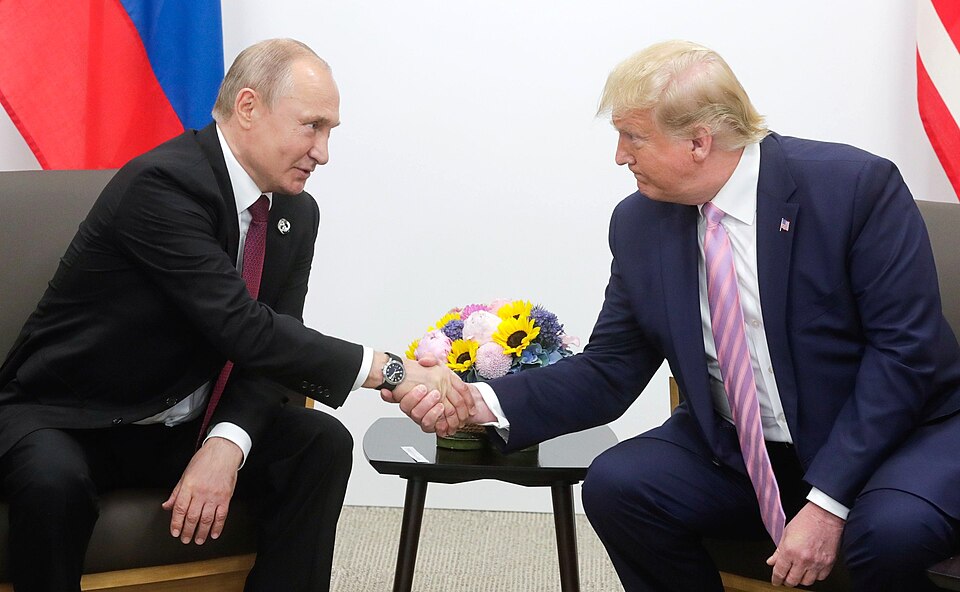
The relationship between Donald Trump and Vladimir Putin, once defined by public praise and high-profile diplomacy, has entered a far more uncertain stage as both leaders confront political challenges, international pressure, and growing disagreements over global issues.
A Relationship Once Built on Personal Diplomacy Begins to Fracture
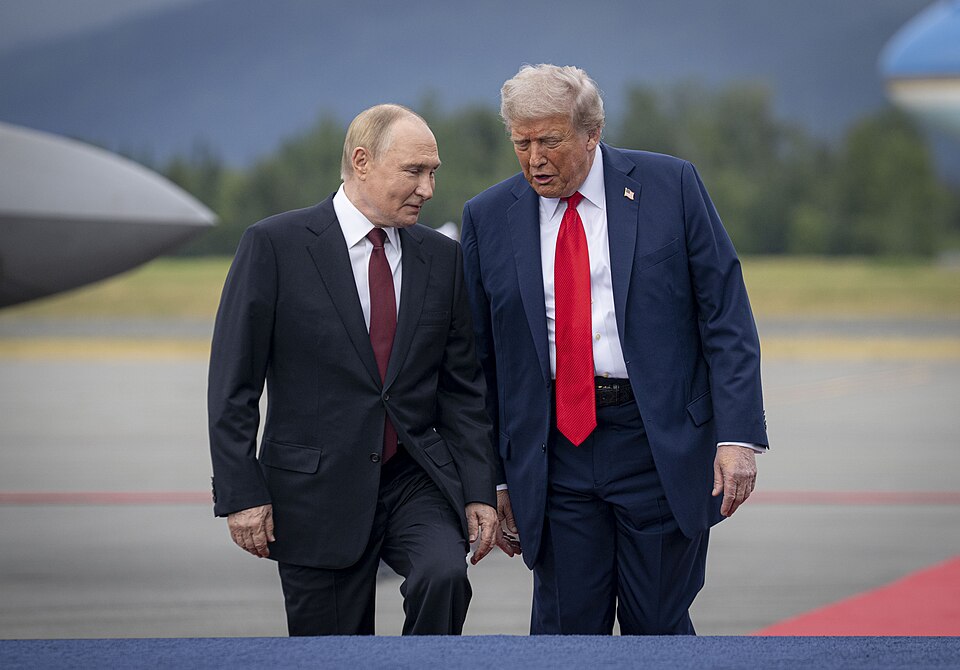
Donald Trump and Vladimir Putin have long maintained a relationship unlike many traditional interactions between American and Russian leaders. Trump frequently emphasized the importance of maintaining communication with Moscow, arguing that direct conversations with powerful leaders could prevent larger conflicts. Putin, meanwhile, appeared comfortable engaging with Trump’s unconventional diplomatic style.
However, personal connections have struggled to overcome deeper disagreements between Washington and Moscow. Issues involving Ukraine, NATO, sanctions, and global influence have created serious divisions that neither leader can easily ignore. What was once viewed as a possible partnership based on negotiation has increasingly become a complicated political rivalry.
Putin’s Global Strategy Faces Growing Obstacles
Vladimir Putin has spent years building an image of Russia as a major global power capable of challenging Western influence. However, the war in Ukraine and the resulting international response have created significant challenges for the Kremlin.
Russia has faced economic restrictions, diplomatic isolation, and increased military demands. While Moscow has worked to strengthen relationships with countries outside the Western alliance system, the conflict has placed pressure on Russia’s economy and long-term strategic position.
Trump’s Political Promises Face the Reality of Global Conflicts
Trump has repeatedly promoted himself as a leader capable of negotiating solutions to difficult international disputes. His approach has often focused on personal negotiations and direct engagement with foreign leaders.
However, the complexities surrounding Russia and Ukraine have created significant obstacles. Ending a major conflict requires agreement between multiple governments, military realities on the ground, and long-term security considerations.
Ukraine Becomes the Main Test of Trump and Putin’s Relationship

The war in Ukraine remains the biggest issue separating Trump and Putin. Any potential agreement would require difficult decisions involving territory, security guarantees, and the future balance of power in Eastern Europe.
Both Leaders Face Pressure to Maintain Their Image of Strength
For both Trump and Putin, political image remains a crucial part of leadership. Both have built public identities around strength, confidence, and the ability to challenge opponents.
Trump’s political brand has often centered on presenting himself as a successful negotiator who can achieve results where others have failed. Putin has similarly relied on projecting authority and portraying Russia as a country capable of resisting foreign pressure.
The Collapse of Cooperation Could Reshape Global Politics
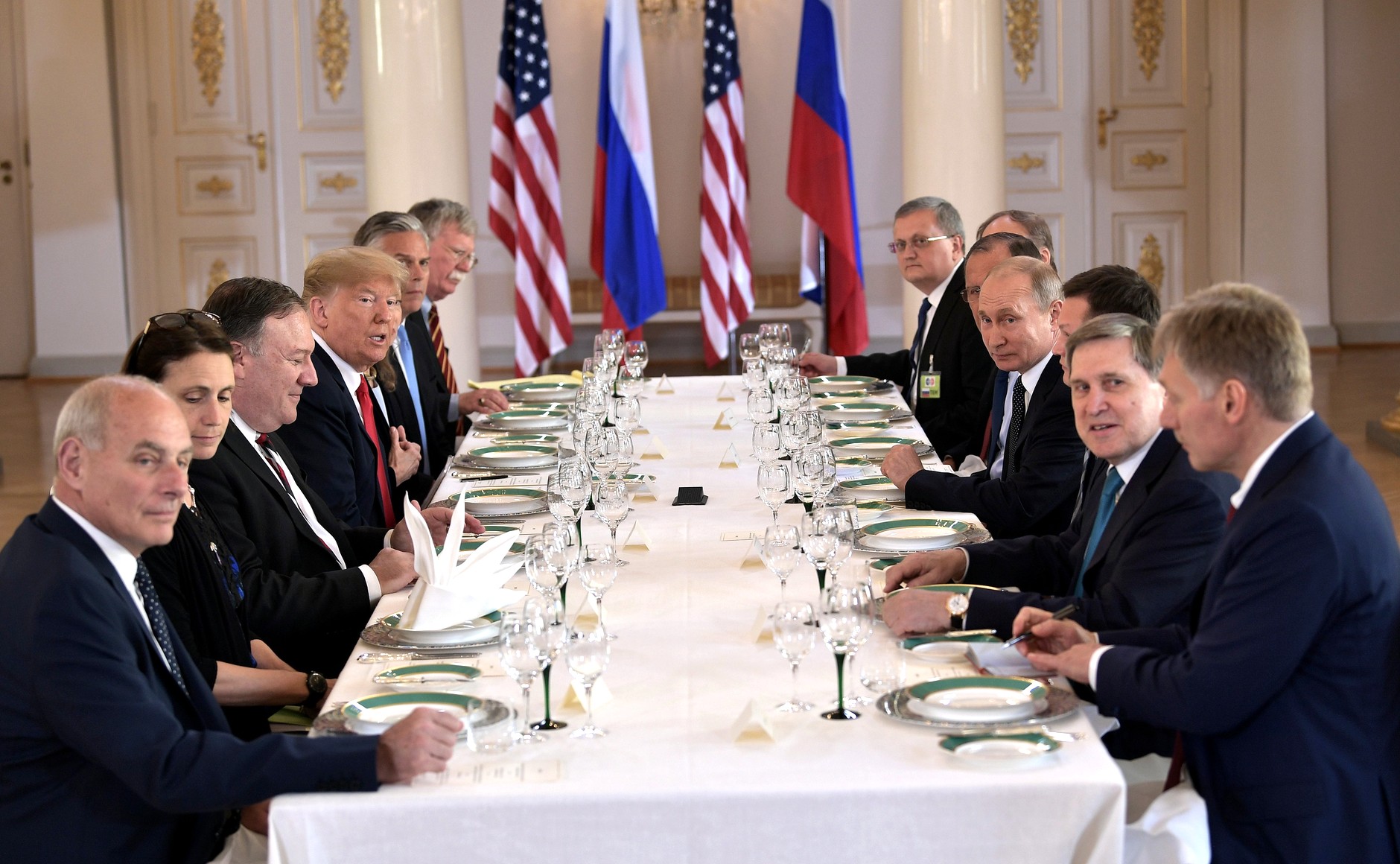
The growing tension between Trump and Putin could have consequences far beyond their personal relationship. Their decisions affect issues involving European security, international alliances, and the future of global diplomacy.
The relationship that once attracted attention because of its unusual level of engagement now faces a more uncertain future. Cooperation remains possible in some areas, but disagreements over major issues have made the relationship increasingly fragile.
If you like what you just read, then subscribe to our newsletter and follow us on social media.


