Frequently asked questions about the Bible
Image Credit: peopleimages12 via 123rf
The Bible is a book like no other, influencing billions of lives across centuries. But for all its prominence, many people still have basic questions about it.
According to the American Bible Society’s State of the Bible USA 2024 report, 38% of American adults—around 99 million people—qualify as “Bible Users.” Despite a decline in Bible engagement over the years, interest in scripture is actually growing among younger generations. In fact, 54% of Gen Z say the Bible has transformed their lives.
With this renewed interest in mind, here are five of the most frequently asked questions about the Bible.
Who Wrote the Bible?

If you think just one person wrote the Bible, think again! It was written by multiple authors over about 1,500 years, spanning from around 1200 BCE to 100 CE. Scholars like William Schniedewind, a professor at UCLA, explain that the Bible wasn’t the work of a single author but rather the product of scribes and communities working together over centuries.
While Moses is traditionally credited with writing the Torah, and figures such as King David and Paul are linked to certain books, modern scholars believe that many of these texts underwent editing and redaction. At the same time, most Christian traditions believe that the Bible was inspired by the Holy Spirit. This means that, while human hands wrote the text, they were guided by divine influence.
The New Testament, which focuses on the life of Jesus, was mostly written in the first century, with some of Paul’s letters dating back to around 50 CE.
How Many Books Are in the Bible?
The number of books in the Bible varies depending on your religious tradition. Here’s a breakdown:
|
Protestant
|
39 books | 27 books | 66 |
|
Roman Catholic
|
46 books | 27 books | 73 |
|
Eastern Orthodox
|
49+ books | 27 books |
~76+
|
|
Ethiopian Orthodox
|
54+ books | 27+ books | 81 |
|
Hebrew Bible
|
24 books | N/A | 24 |
The Protestant Bible has 66 books, but other traditions, such as the Catholic and Orthodox churches, include additional books, like Tobit and Maccabees. However, the New Testament, which includes the story of Jesus and early Christian writings, is he same among major Christian traditions.
Is the Bible Historically Reliable?
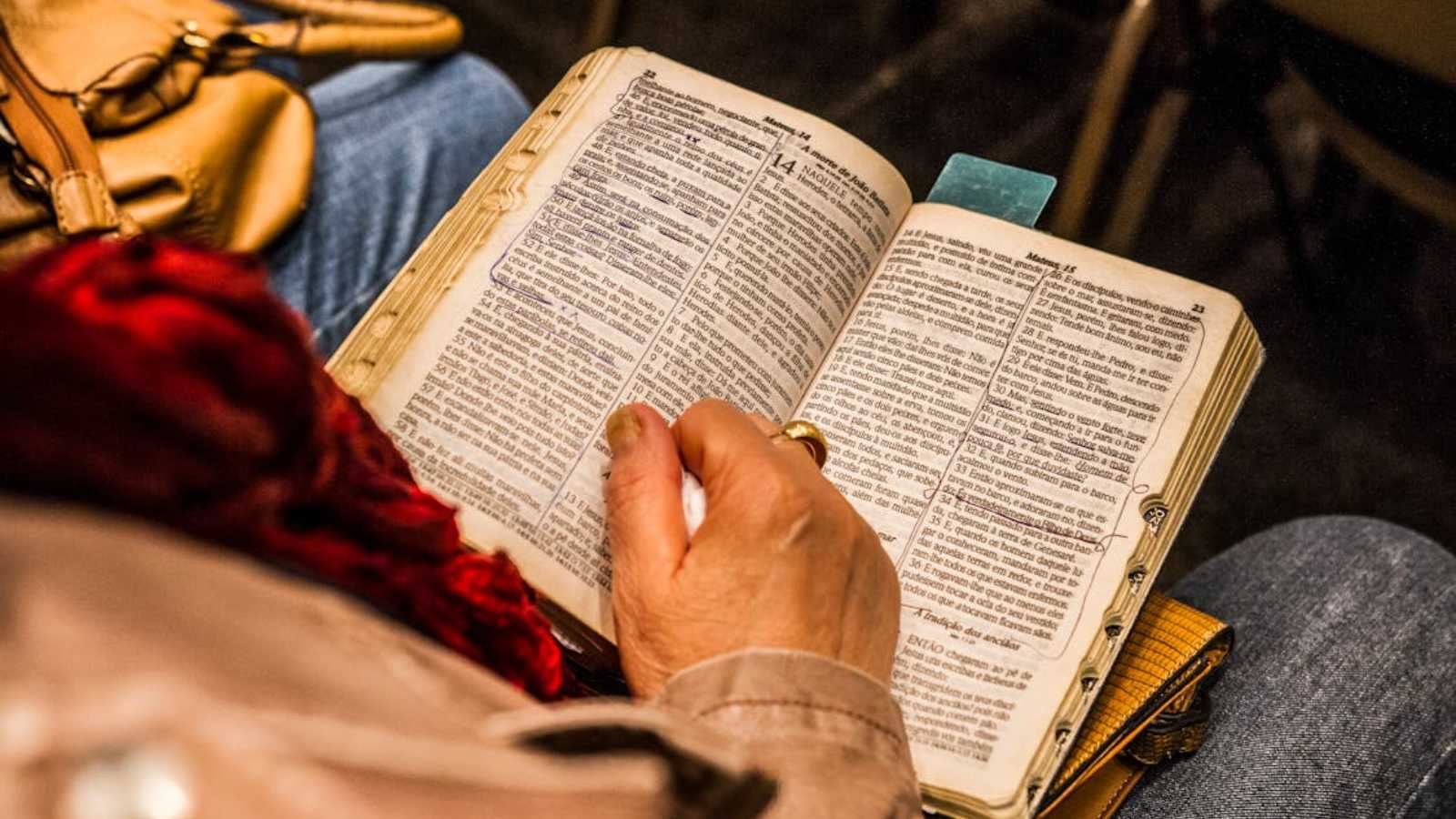
When it comes to the Bible’s historical accuracy, there are two essential aspects: manuscript transmission and historical events.
The Bible has a fantastic number of ancient manuscripts that support its accuracy. For example, over 24,000 New Testament manuscripts exist, including thousands of Greek, Latin, and other early versions. This kind of manuscript evidence is unmatched by most ancient texts.
On the other hand, Archaeology has also confirmed several biblical events. For instance, the Tel Dan Inscription, found in 1993, mentions the “House of David,” and the Dead Sea Scrolls have helped verify the accuracy of Old Testament texts, notes Associates for Biblical Research. In fact, archaeologists have found hundreds of sites and artifacts that back up what’s written in the Bible.
Why Are There Different Bible Translations?
Ever wondered why there are so many Bible translations? Well, people read the Bible in different ways, and translators aim to meet those needs. For example, Word-for-word translations like the King James Version (KJV) and the English Standard Version (ESV) strive to stay as close as possible to the original text. Then there are Thought-for-thought translations, like the New International Version (NIV), which aim to convey the meaning, even if that means reworking the structure a bit.
And let’s not forget paraphrases like The Message, which puts things in today’s language, making the Bible feel more like a conversation. Each version has its own style, making it easier for everyone to connect with the Bible in a way that works for them.
Is the Bible Literal, or Is It Just Full of Symbolism?

This one always gets people talking. Is the Bible meant to be taken literally, or is it more symbolic? Well, the answer isn’t as straightforward as you might think, according to Dr N.T. Wright, a renowned biblical scholar, argues that the Bible combines historical accounts with symbolic stories.
Let’s take the Parable of the Prodigal Son in the New Testament. It’s a story about a son who wastes his inheritance but is welcomed back by his father with open arms. This story isn’t meant to be literal; it’s a metaphor that illustrates forgiveness and redemption. Sadly, according to Gallup, only 20% of U.S. adults say the Bible is the literal word of God.