
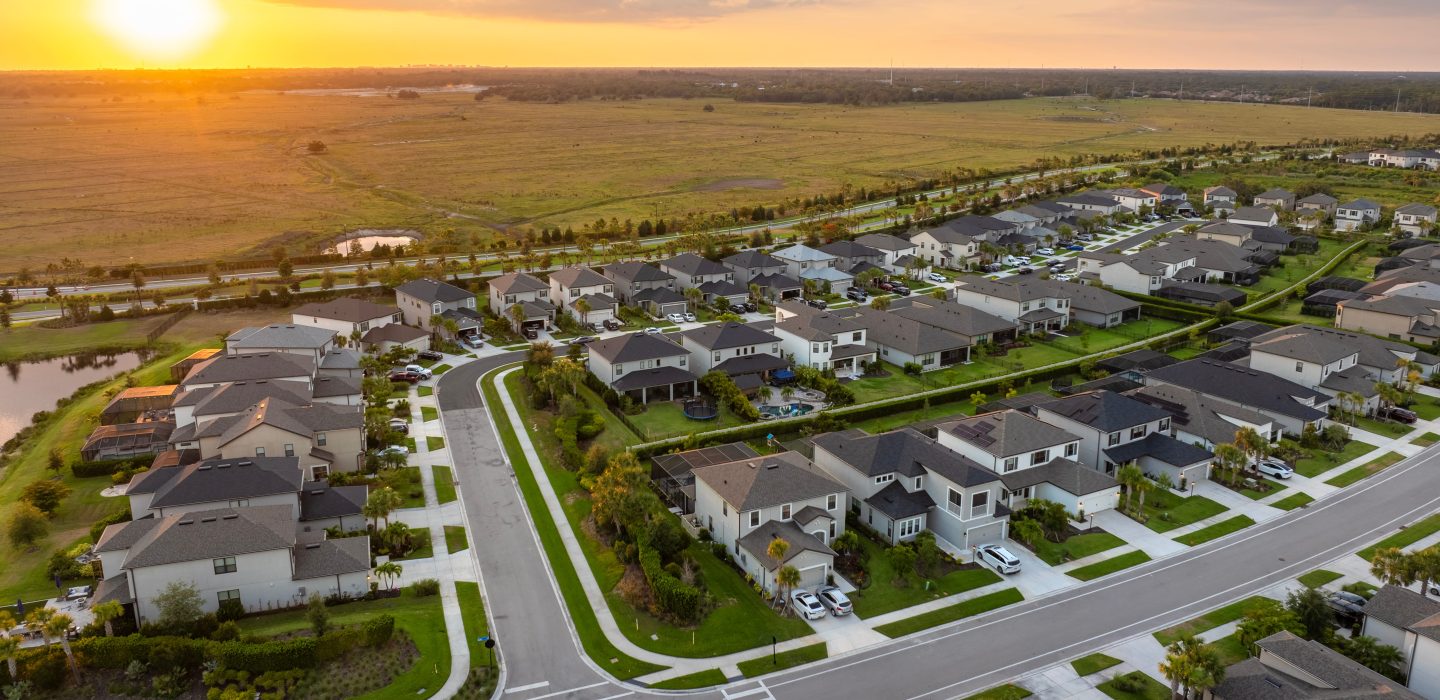

Florida still sells the classic dream: sunshine, space, and fast opportunity. But beneath the cranes, subdivisions, and steady flow of newcomers, a tougher reality is emerging.
New data on population, housing, wages, and costs show that Florida is growing but experiencing declining affordability. Expansion on paper now feels like pressure in daily life, as families, retirees, and workers compete for limited financial space. Florida is still growing fast, but that growth is making life more expensive.
U.S. Census Bureau estimates show that Florida is still one of the fastest-growing states, with population gains reshaping counties over the next few years. But now, growth brings rising housing costs, higher insurance premiums, more traffic, and slower wage gains, changing daily life in the state.
Florida is not just growing; it is adapting quickly, making major changes.
State Expanding Quickly
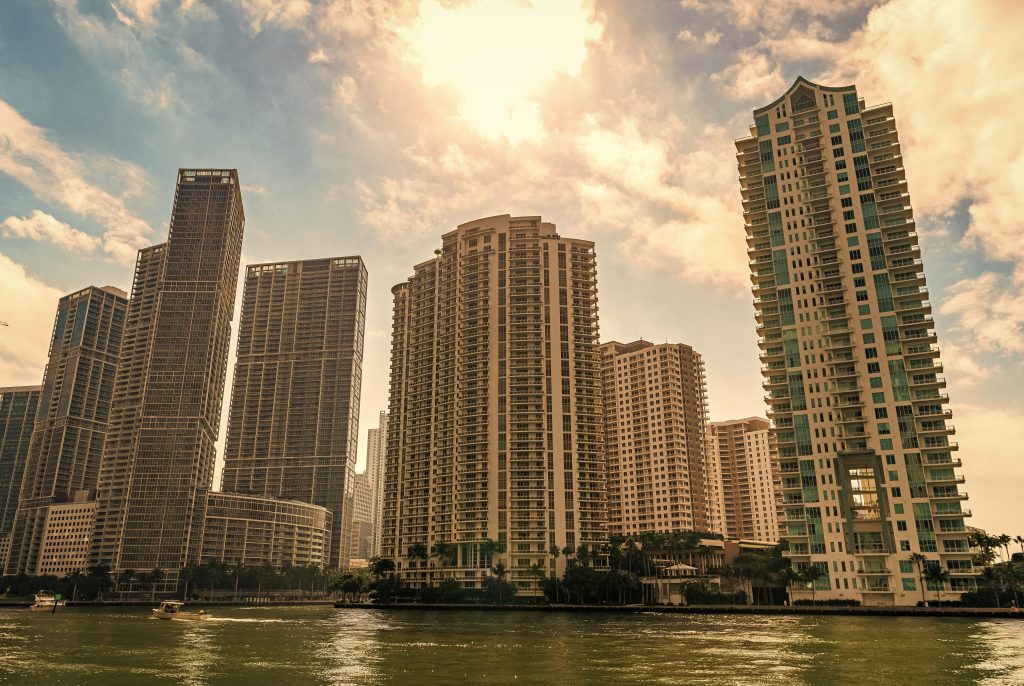
A state expanding so quickly that it is redrawing its own map, with the next wave of change showing up in where people are settling.
Recently, the biggest change in Florida is where new residents are moving, not just how many.
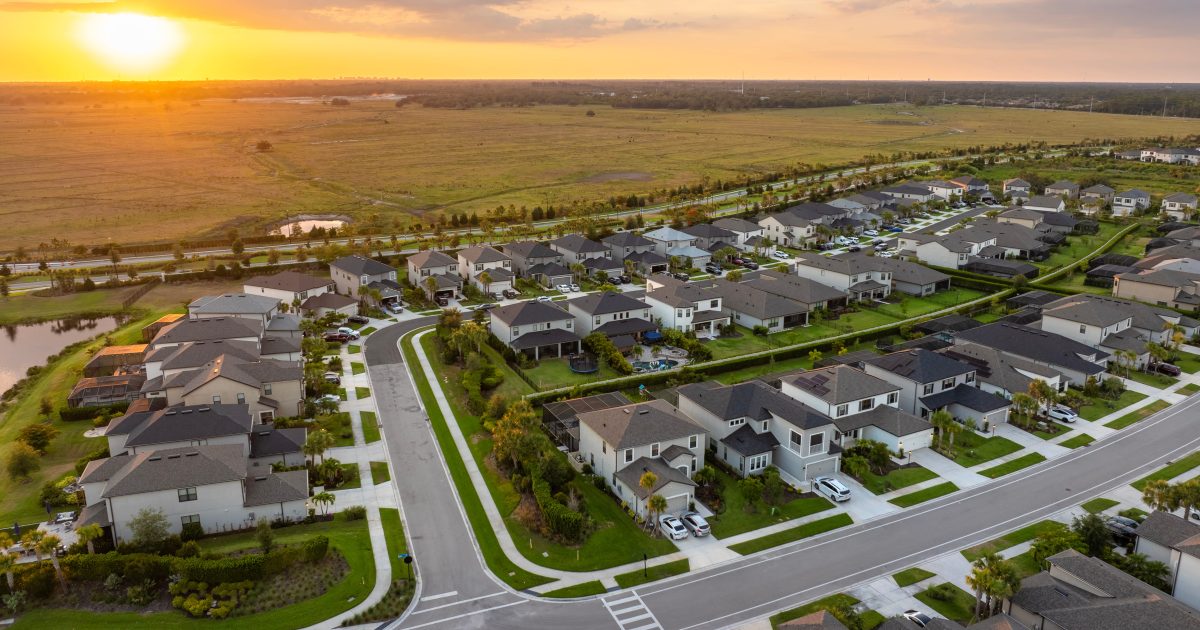
Growth that once concentrated in Miami, Orlando, and Tampa has now pushed deep into suburban and inland counties. Places like Polk, Lake, St. Johns, and Manatee counties have become magnets for new development, transforming from quieter regions into fast-moving residential corridors.
New subdivisions quickly replace open land, and commuter towns are becoming major population centers. But infrastructure is lagging. Roads are crowded, school enrollment outpaces capacity in some districts, and services struggle to meet rising demand. Steady development now looks like rapid growth, where population comes first, and planning follows. This is clear in affordability, where easing rent pressure has not brought real relief for households.
Rent relief is real, but it has not fully reached household budgets.
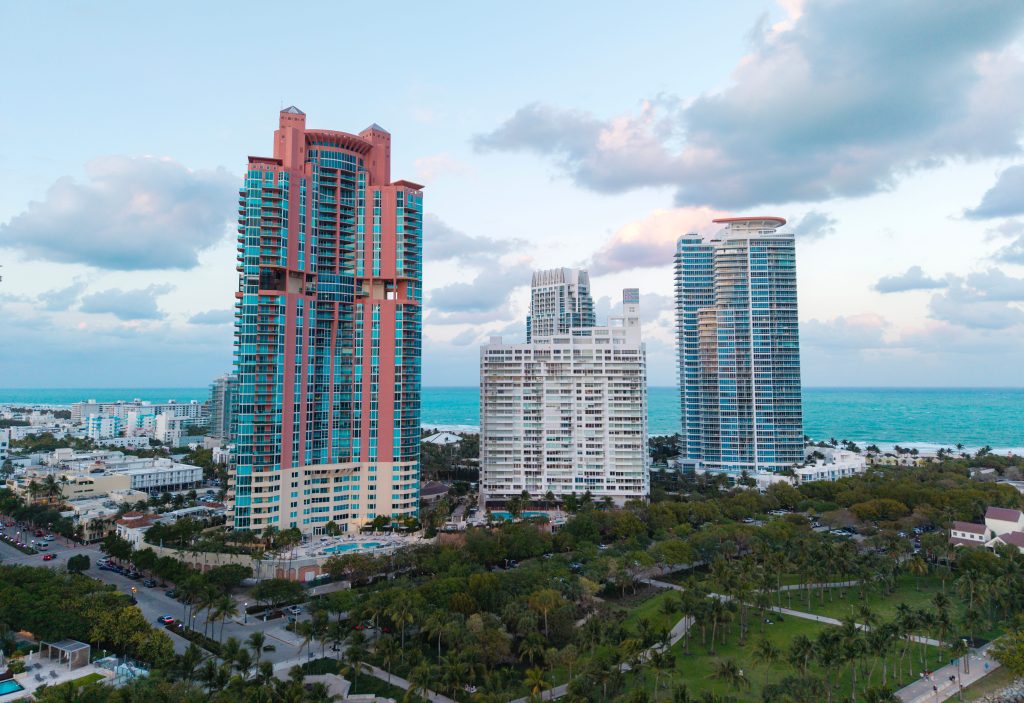
In some Florida metro areas, rent growth has slowed compared to prior years. Apartment List and Zillow data show rents stabilizing or slightly declining in some markets. Tampa remains one of the more expensive rental regions in central Florida, while Orlando has begun to stabilize after years of volatility. Jacksonville has experienced slower rent growth overall, though demand remains steady across most neighborhoods.
But even with these shifts, affordability has not reset. Renters who locked in higher prices during peak growth years are still carrying those costs forward, and newer leases, while slightly lower in some cases, remain well above pre-pandemic levels. This creates a split reality: rents look better on paper, but many households are still stretched because other costs remain high, affecting the housing market.
Home prices are stabilizing, but ownership costs are telling a different story.
Florida’s housing market has slowed from its pandemic peak, according to Zillow and Redfin. In several regions, home prices have leveled off or dipped slightly, showing the market is not surging out of control. Yet homes remain hard to afford, for reasons beyond the listing price.
Property insurance is now a major financial burden for Florida homeowners. Premiums have risen sharply in many counties due to hurricane risk and insurance market instability. For some, insurance rate hikes exceed mortgage payments and reshape monthly budgets, even if home prices stabilize.
Homes may be easier to buy than at the peak, but they are not easier to afford in the long term, especially with higher living costs. For many families, the challenge is not just buying a home but keeping it, as environmental risks drive up costs.
Commutes are becoming the hidden cost of Florida’s expansion.
As Florida’s population spreads outward, the geography of daily life is shifting with it.
Growing suburban and inland communities offer cheaper housing than coastal metros, but require longer commutes. State data show increased congestion, especially where housing has outpaced road expansion.
Many residents now accept that lower rent or home prices mean longer commutes, higher fuel costs, and less time at home. Choosing between cities and suburbs is now about balancing cost and time. In Florida’s new economy, distance adds to living costs, and wage growth still lags behind expenses.
Wages are rising, but not fast enough to close the gap.
Florida’s job market is among the nation’s strongest, especially in healthcare, construction, logistics, tourism, and services. Bureau of Labor Statistics data show steady job growth across many sectors, reinforcing Florida’s appeal to workers.
But wage growth has not kept up with rising hou