


Florida used to sell itself as the sunny escape, the place where people came for palm trees, cheaper living, and a softer landing. That dream now feels painfully expensive for many renters. The state has become a pressure cooker where rising rents, thin savings, harsh lease terms, and steady eviction filings are turning ordinary housing problems into full-blown family emergencies.
Rent Has Outrun the Florida Paycheck

The biggest problem is simple. Florida rent grew faster than many paychecks, and the gap has become brutal. A renter can work full-time, skip vacations, avoid debt, cook at home, and still feel one rent hike away from disaster.
In cities like Miami, Tampa, Orlando, Jacksonville, and Fort Lauderdale, the monthly rent is no longer just a bill. It is the center of the household budget, swallowing money that used to cover food, car repairs, insurance, school costs, and emergency savings.
Florida’s Protections Feel Thin
Renters in Florida often face a crisis with limited protection. The state is known for a landlord-friendly legal environment, and tenants can quickly find themselves fighting a system they barely understand.
Many renters do not have lawyers. Some do not know how fast they must respond. Others are too busy trying to find money, child care, transportation, or another place to stay. By the time they understand the process, the clock may already be working against them.
This is where the nightmare becomes more than financial. It becomes emotional. People stop sleeping. Parents hide their panic from their children. Seniors wonder where they will go with a fixed income and rising rent.
Workers fear missing shifts because one court date could cost them the job they need to pay the landlord. Housing instability does not stay inside the apartment. It follows people into schools, hospitals, workplaces, and neighborhoods.
Eviction Filings Are Keeping Fear Alive
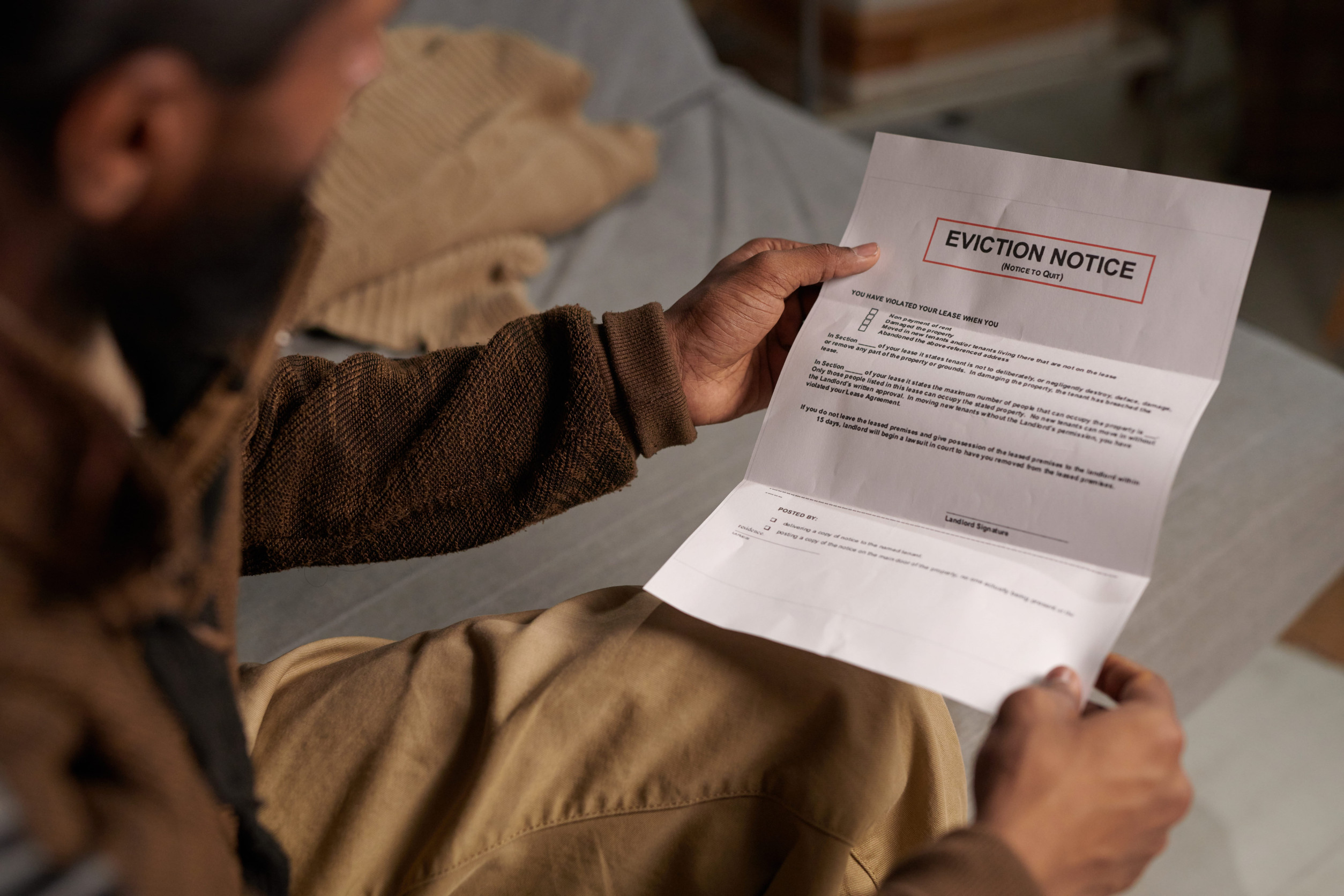
Eviction filings in Florida remain alarmingly high, even when yearly totals move slightly up or down. The real fear sits in the volume. Tens of thousands of households still face formal eviction pressure each year, and many more leave before a case ever reaches court.
That quiet exit rarely shows up in the headlines. A landlord raises rent. A tenant realizes they cannot keep up. They move into a smaller place, double up with relatives, leave the county, or sleep in a car until something opens. It may not always look like an eviction on paper, but it feels like one in real life.
The Cheapest Apartments Are Disappearing

Florida’s rental market has another ugly problem. The lower-cost apartments are vanishing while shiny luxury buildings keep rising. That does not mean every new apartment is bad.
More housing can help over time. But for renters who need a basic, safe, affordable unit today, a rooftop pool and designer lobby do not solve the crisis. They just remind people that the market is built for someone else.
Older apartments that once housed working families are being renovated, repriced, or sold. Mobile home communities face redevelopment pressure. Small landlords are passing along insurance and tax costs. The result is a market where the bottom rung keeps getting pulled higher.
The Sunshine State Needs a Real Rent Reset
Florida does not need another round of cheerful slogans about growth. It needs a serious renter reset. That means more deeply affordable housing, faster rental assistance, stronger legal aid, clearer tenant information, and policies that keep working families from being pushed out of the communities they serve.
It also means looking honestly at the hidden costs behind rent, including insurance spikes, investor ownership, stagnant wages, and the loss of older affordable units. Renters are not asking for luxury. Many are asking for something painfully basic. A safe home, predictable payment, and a fair chance to recover after one bad month.
Florida’s renter crisis should worry everyone, including homeowners. A state where teachers, nurses, servers, retirees, and young families cannot stay housed is not thriving. It is cracking under the weight of its own price tag.
The sun is still shining in Florida, but for renters staring down another notice on the door, it no longer feels warm. It feels like a spotlight on a system that has pushed too many people too close to the edge.


