
This article was originally published on Crafting Your Home. A human contributor also wrote and edited the post.
A federal judge has blocked a major part of President Donald Trump’s executive order aimed at requiring documentary proof of U.S. citizenship for certain voter registration processes, ruling that the requirement likely conflicts with federal election law.
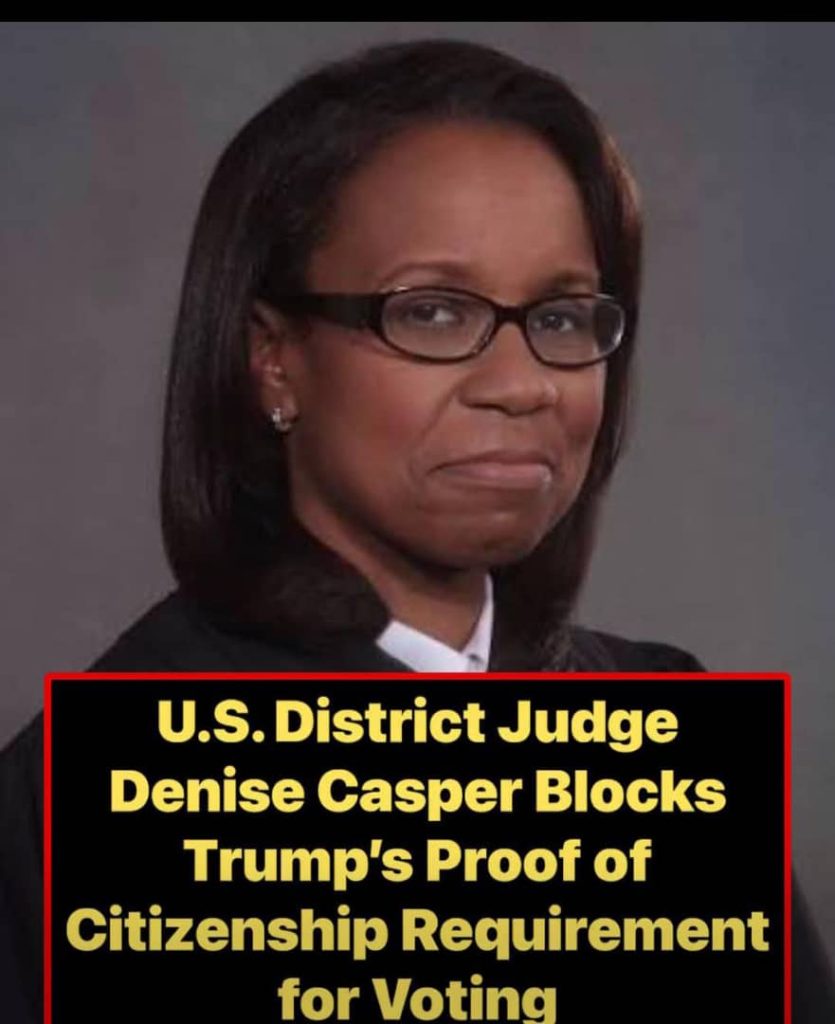
U.S. District Judge Denise Casper of the District of Massachusetts issued the decision, temporarily preventing enforcement of the citizenship documentation requirement while legal challenges continue.
The ruling represents another major clash between the Trump administration’s election policies and opponents who argue that the measures create unnecessary barriers for eligible voters.
Supporters of the executive order argue that requiring documents such as a passport or birth certificate would strengthen election security by ensuring that only U.S. citizens participate in federal elections.
Critics argue that the requirement could make it harder for eligible Americans to register because not all citizens have immediate access to the required documents.
The case highlights one of the most controversial questions in American elections: how to balance voter verification with access to the ballot.
Trump Administration Pushes Citizenship Verification Requirement
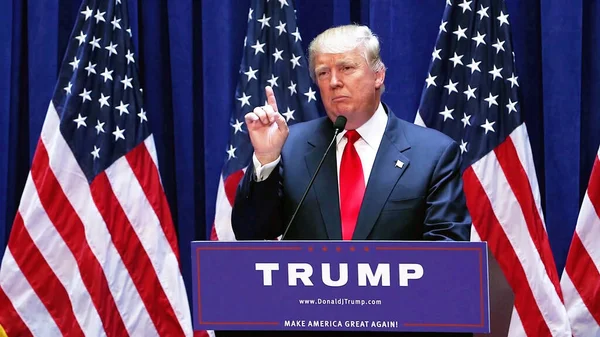
The dispute began after President Trump issued an executive order directing changes to federal election procedures, including a requirement that voters provide documentary proof of citizenship when registering or updating voter registration information.
The administration argued that the measure was necessary to protect election integrity and prevent noncitizens from participating in federal elections.
Trump and his supporters have repeatedly argued that stronger verification rules are needed to maintain public confidence in elections.
The executive order focused on requiring states and election systems to collect additional documentation showing that individuals registering to vote are U.S. citizens.
Documents that could satisfy such a requirement include a passport, birth certificate, or other accepted proof of citizenship.
Supporters of the policy say the requirement is similar to identity verification measures already used in other areas of government.
They argue that proving citizenship is a basic requirement for voting in federal elections, and that election systems should have tools to verify eligibility.
However, opponents say the federal government cannot impose additional registration requirements beyond what Congress has authorized.
They argue that existing systems already provide safeguards to prevent noncitizens from voting, and that documented cases of noncitizen voting in federal elections are extremely rare.
Judge Casper Says Federal Law Limits the Executive Order
Judge Denise Casper’s ruling focused on the legal authority behind the administration’s policy.
The decision found that the executive branch likely exceeded its authority by attempting to change voter registration requirements without congressional approval.
Federal election rules are largely governed by laws passed by Congress, including the National Voter Registration Act and the Help America Vote Act.
The judge’s decision does not represent a final ruling on the entire case. Instead, it blocks enforcement of the requirement while the legal challenge moves forward.
The plaintiffs who challenged the order argued that the requirement could interfere with voter registration systems and create obstacles for eligible citizens.
They also argued that states primarily handle election administration and that federal officials must follow the limits established by Congress.
Supporters of the ruling said the decision protects the existing voter registration process and prevents new requirements from being imposed without legislative action.
The Trump administration, however, has argued that federal officials have a responsibility to ensure election systems are secure and that citizenship verification is a reasonable safeguard.
The disagreement reflects a broader constitutional debate over the balance of power between the presidency, Congress, and states when it comes to election rules.
The Battle Over Voter Requirements Continues Nationwide
The Massachusetts ruling is part of a much larger national debate over election security and voting access.
Republican lawmakers have increasingly pushed for stricter election verification measures, arguing that stronger safeguards are needed to protect public confidence.
Democrats and voting rights groups have generally opposed additional requirements they believe could discourage eligible voters from participating.
One major disagreement involves whether voter fraud risks justify additional restrictions.
Supporters of stricter rules argue that even small risks should be addressed before elections take place.
Opponents argue that policies should be based on documented problems and warn that additional paperwork requirements could disproportionately affect some eligible voters.
The debate over citizenship requirements has also appeared in several states.
Some states have attempted to add citizenship verification requirements to their election systems, while courts have reviewed whether those rules comply with federal law.
The issue remains politically powerful because it combines questions of national security, government authority, and voting rights.
For Trump supporters, the push for proof of citizenship is about ensuring confidence in elections.
For critics, the concern is that additional requirements could prevent eligible Americans from registering or voting.
Judge Casper’s decision adds another chapter to that ongoing national dispute.
The legal battle is expected to continue as both sides argue over whether the federal government has the authority to impose new voter documentation rules.
At its core, the case asks a fundamental question: How should America protect election integrity while ensuring that every eligible citizen can participate?
The answer remains one of the most contested issues in modern U.S. politics.
If you like what you just read, then subscribe to our newsletter and follow us on social media.