Famous Dishes Named After Real People From History

Image Credit: jeffreyw, CC BY 2.0, via Wikimedia Commons
The stories behind the names of many iconic dishes are often as rich as their flavors. Some foods have been named after historical figures, adding an intriguing layer to their culinary appeal.
From the streets of Rome to the courts of imperial Russia, let’s explore how certain famous dishes came to be named after the people who inspired them, forever immortalizing their names in kitchens across the globe.
Fettuccine Alfredo

Fettuccine Alfredo is more than just a creamy pasta dish; it’s a tale of love, innovation, and the power of food to bring people together. This dish owes its name to Alfredo Di Lelio, an Italian restaurateur who, in the early 20th century, created a simple yet delicious recipe for his pregnant wife.
Struggling with her appetite, he crafted a rich dish of fettuccine tossed with butter, parmesan, and a touch of cream. His wife adored it, and soon, the world would too. In the 1920s, American movie stars Douglas Fairbanks and Mary Pickford visited Di Lelio’s Rome restaurant, where they sampled the dish.
Their rave reviews and celebrity status catapulted Fettuccine Alfredo to international fame. Today, the dish remains a beloved comfort food, named after the man who crafted it with care.
Caesar Salad
Despite what many believe, the Caesar Salad has nothing to do with the ancient Roman emperor, Julius Caesar. Instead, it is named after Caesar Cardini, an Italian immigrant and restaurateur in Tijuana, Mexico. During the Prohibition era, Americans flocked to Tijuana for illicit drinking and dining experiences, with Cardini’s restaurant becoming a hotspot.
On July 4, 1924, amidst dwindling kitchen supplies, Cardini invented the now-famous salad by combining romaine lettuce, croutons, parmesan, garlic, and a tangy dressing. The dish quickly became a hit, and Cardini’s version of the Caesar Salad became an enduring part of culinary history.
Beef Stroganoff
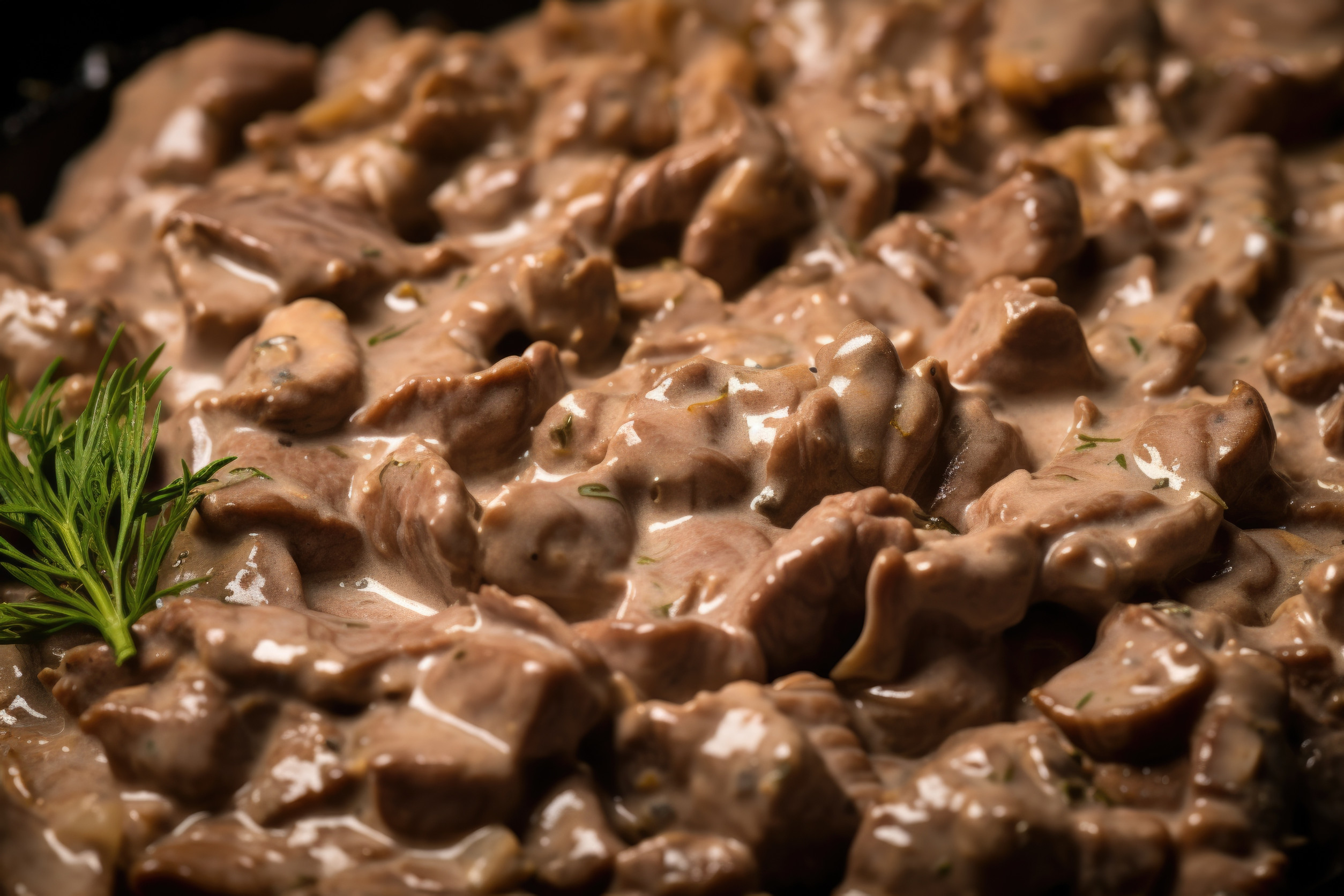
Beef Stroganoff is a classic Russian dish whose origins are steeped in aristocratic luxury. Named after the wealthy Stroganov family, the exact individual responsible for the dish’s creation is unclear, with three potential candidates.
One theory suggests the dish was named after Alexander Grigorievich Stroganov, a nobleman known for hosting lavish banquets. Another contender is Grigory Alexandrovich Stroganov, who was fond of the dish’s creamy sauce and tender beef.
Finally, some point to Pavel Alexandrovich Stroganov, whose political influence may have helped immortalize the dish in his name. Regardless of the true origin, Beef Stroganoff remains a staple of Russian cuisine.
Kung Pao Chicken
Kung Pao Chicken, one of the most popular Chinese dishes worldwide, is named after Ding Baozhen, a Qing Dynasty official. Known by his honorific title “Gong Bao” (which translates to “Kung Pao”), Ding was a revered figure in Shandong, China. He was known for his culinary preferences, often preparing a stir-fried chicken dish that included Sichuan peppercorns.
As the dish gained popularity, particularly in the Sichuan province, it became known as Kung Pao Chicken in honor of Ding Baozhen. The dish’s enduring popularity in Chinese restaurants worldwide attests to its lasting legacy.
Lobster Newburg
Lobster Newburg is a luxurious seafood dish that is rumored to have been created by a New York-based sea captain named Ben Wenberg. In 1876, Wenberg dined at the prestigious Delmonico’s restaurant, where he shared his idea for a lobster dish with chef Charles Ranhofer.
The resulting dish, a rich lobster-and-egg creation, became an instant hit.
However, a personal feud between Wenberg and the restaurant led to the dish being renamed Lobster Newburg, with “Wenberg” transformed into “Newburg” as a subtle jab. Despite the drama, the dish’s popularity endured, making it a fixture of fine dining menus.
Salisbury Steak
Salisbury Steak was the brainchild of Dr. James Henry Salisbury, a 19th-century physician who advocated for a high-protein diet to combat various ailments. During the American Civil War, Dr. Salisbury recommended that soldiers consume a diet rich in meat to improve their health and prevent disease.
Salisbury Steak, made from ground beef and served with gravy, became the iconic dish associated with his health regimen. Though modern nutrition has debunked some of his theories, the dish endures as a nostalgic comfort food, named after the man who believed it was the key to better health.
Oysters Rockefeller
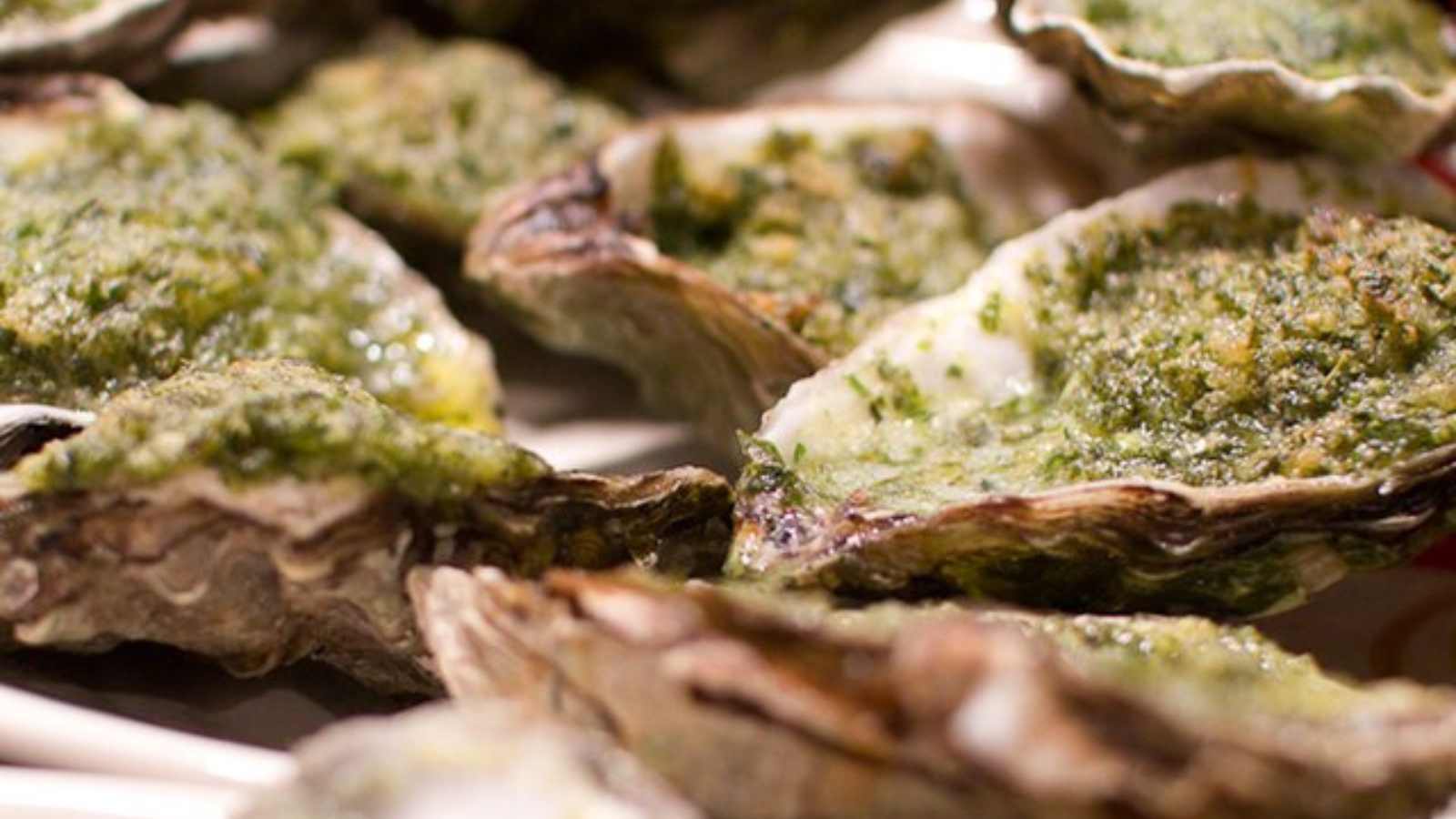
Oysters Rockefeller, with its rich, buttery sauce and vibrant green hue, is a dish that evokes luxury. Created at Antoine’s, a historic restaurant in New Orleans, this dish was designed to be as opulent as its namesake, John D. Rockefeller, the wealthiest man in America at the time.
The dish consists of oysters topped with a mixture of spinach, herbs, and breadcrumbs, baked to perfection. The dish’s green color was thought to symbolize wealth, making Rockefeller the perfect choice for the name. Since its creation in the early 20th century, Oysters Rockefeller has become synonymous with high-end dining, showcasing the grandeur of the Gilded Age.
Conclusion
The dishes we’ve explored all have fascinating backstories tied to real people whose names live on in the culinary world. These foods are not defined solely by their taste or ingredients, but by the history and culture they represent.
Whether it’s Fettuccine Alfredo, Caesar Salad, or Lobster Newburg, these iconic dishes remind us of the power of food to connect us to the past and the people who shaped it.