


The post Falls Are the #1 Cause of Injury for 65 Plus Adults: 7 Reasons That Fear Isn’t Irrational first appeared on Crafting Your Home.
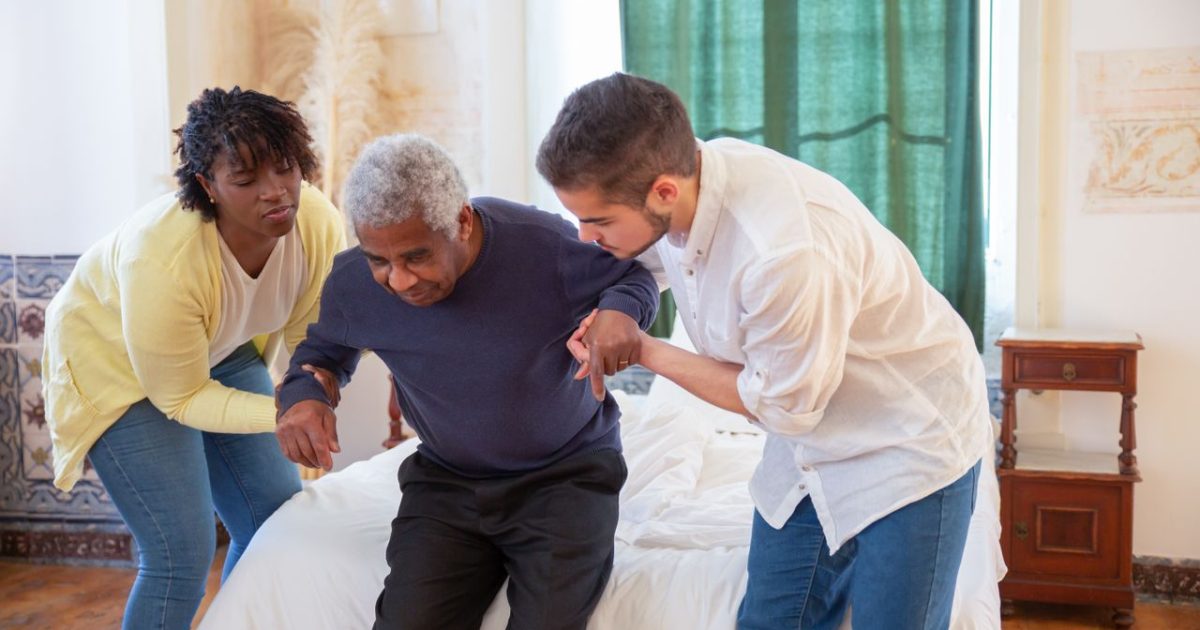
Falls are the leading cause of injury-related death among adults 65 and older, and that death rate keeps climbing rather than leveling off.
The age-adjusted fall death rate rose 21% from 64.7 per 100,000 older adults in 2018 to 78.4 per 100,000 in 2024, according to the CDC’s National Center for Injury Prevention and Control.
The National Safety Council puts a body count on that trend: 43,020 people 65 and older died from preventable falls in 2024 alone, while more than 3.85 million were treated in emergency rooms for fall injuries the year before. Fall deaths in this age group have climbed 51% over the past decade, with ER visits up 38% over the same stretch.
That’s not a statistic anyone should shrug off. Here’s why the anxiety around falling deserves to be taken seriously.
The post-fall syndrome

Researchers Murphy and Isaacs identified fear of falling decades ago as the hallmark of what’s now called post-fall syndrome, and it’s become a standard part of geriatric checkups.
A Belgian study found that 59% of older adults reported fearing a fall, and a third had already scaled back their daily activities because of it, including people who had never actually fallen.
That last detail matters. The worry often shows up before the accident does, almost like the body is trying to get ahead of something it already senses is coming.
A single bad step already outranks most other causes of death by injury
Falling is not one danger among many for older Americans. The CDC’s National Center for Health Statistics confirms falls are the leading cause of injury for adults 65 and older.
The 2023 unintentional fall death rate sits at 69.9 per 100,000, and rates climb sharply with age, from roughly 20 per 100,000 among the 65-74 group to well over 300 per 100,000 for those 85 and up.
Getting older doesn’t just raise the odds of falling. It also raises the odds that fall becomes the thing that kills you.
Independence has a shockingly short shelf life after a bad fall
Surviving the fracture is only half the fight.
In that same Japanese cohort, new nursing home admissions occurred in 42% of patients, with the risk of institutionalization rising fastest in the first nine months after surgery.
Age sharpens that risk considerably.
The share of hip fractures resulting in nursing home admission climbs from 3.2% among people in their 60s to 22.4% among people in their 90s, according to a CDC-funded analysis published in the Journal of Aging and Health. Losing a home isn’t a side effect of falling. For many older adults, it’s the default outcome.
Most home falls happen in rooms everyone assumes are safe
Home feels like the one place safety should be automatic, which is exactly why so many falls catch people off guard.
Most injurious falls happen inside the home itself, and falls in the bathroom were more than twice as likely to cause injury as falls in the living room.
Familiarity breeds a kind of blindness. The same tile floor or step someone has crossed a thousand times can turn dangerous the moment balance or attention slips, even slightly.
The bathroom rarely gets fall-proofed until after something happens
Bathrooms are small, hard-surfaced, and full of transitions in and out of the tub, making them the most common site for falls serious enough to need medical attention.
Researchers at Washington University in St Louis found that roughly half of all falls among older adults trace back to hazards inside the home, and a community-based program that added grab bars, shower seating and better lighting cut in-home falls by nearly 40%.
Most of those changes are inexpensive and take an afternoon to install. The gap isn’t cost or difficulty. It’s that nobody thinks to make the change until after a fall has already happened.
Darkness does more damage to balance than most people expect

Older eyes need significantly more light to read a surface clearly, which turns a dim hallway or an unlit staircase into a real hazard rather than a minor inconvenience.
Adjusting the intensity and color of lighting throughout the day reduced the rate of falls among long-term care residents by 43%.
A simple nightlight along the path from bed to bathroom covers most of that risk, since that specific walk accounts for a large share of nighttime falls.
The clutter nobody notices is often the actual trigger
People stop seeing hazards in spaces they know well, which is part of why loose rugs, trailing cords and cluttered stairways cause so many falls that feel preventable in hindsight.
Loose rugs, electrical cords, pets and poorly positioned furniture are everyday culprits.
A rug sitting in the same spot for 20 years can still catch a foot on the one day balance happens to be off.
None of these fixes need a renovation. Clearing a walkway or taping down a cord takes minutes, and it closes off one more way an ordinary afternoon can go wrong.
Other Posts You May Like
- 8 Dark Truths About Gym Life That Nobody Warns You About
- 6 Rooms Older Adults Quietly Stop Cleaning That May Signal Bigger Changes
If you like what you just read, then subscribe to our newsletter and follow us on social media.


