Exploring the Origins of 10 Lucky Charms Around the World

From ancient traditions to modern superstitions, people have long relied on lucky charms to bring them good fortune.
While there may be no scientific proof for these mystical beliefs, the cultural significance and historical origins of such items offer fascinating insights into how humans have sought to influence their fate.
In this article, we explore the origins and symbolism of 10 well-known lucky charms, from talismans to rituals that have stood the test of time.
Horseshoes- Ancient Symbols of Protection and Luck

The practice of hanging horseshoes for good luck dates back to the Etruscan civilization around 400 BCE. The belief was that horseshoes, especially those made of iron, could ward off evil spirits.
In northern Europe, this superstition was likely spread by wandering Celtic tribes who considered iron shoes potent tools against malicious forces. The crescent shape of the horseshoe was also seen as a symbol of the moon god, further enhancing its mystical properties.
Horseshoes were typically hung above doorways, with some traditions specifying that the open ends should face upward to catch good fortune. Other interpretations suggest that the ends should point downward to shower luck on those who walk beneath.
The number seven also played a role in these superstitions, with seven nails used to fasten the horseshoe, as the number seven was historically regarded as sacred.
Knocking on Wood- A Gesture of Protection
The tradition of knocking on wood to avoid bad luck is thought to have ancient roots in pagan practices. In many cultures, trees were believed to be inhabited by spirits.
By knocking on wood, individuals would invoke the protection of these spirits or seek favor from deities. Some theories suggest that knocking was a way to make noise, driving away evil spirits that might be lurking nearby.
The Number 7- A Sacred Symbol Across Cultures
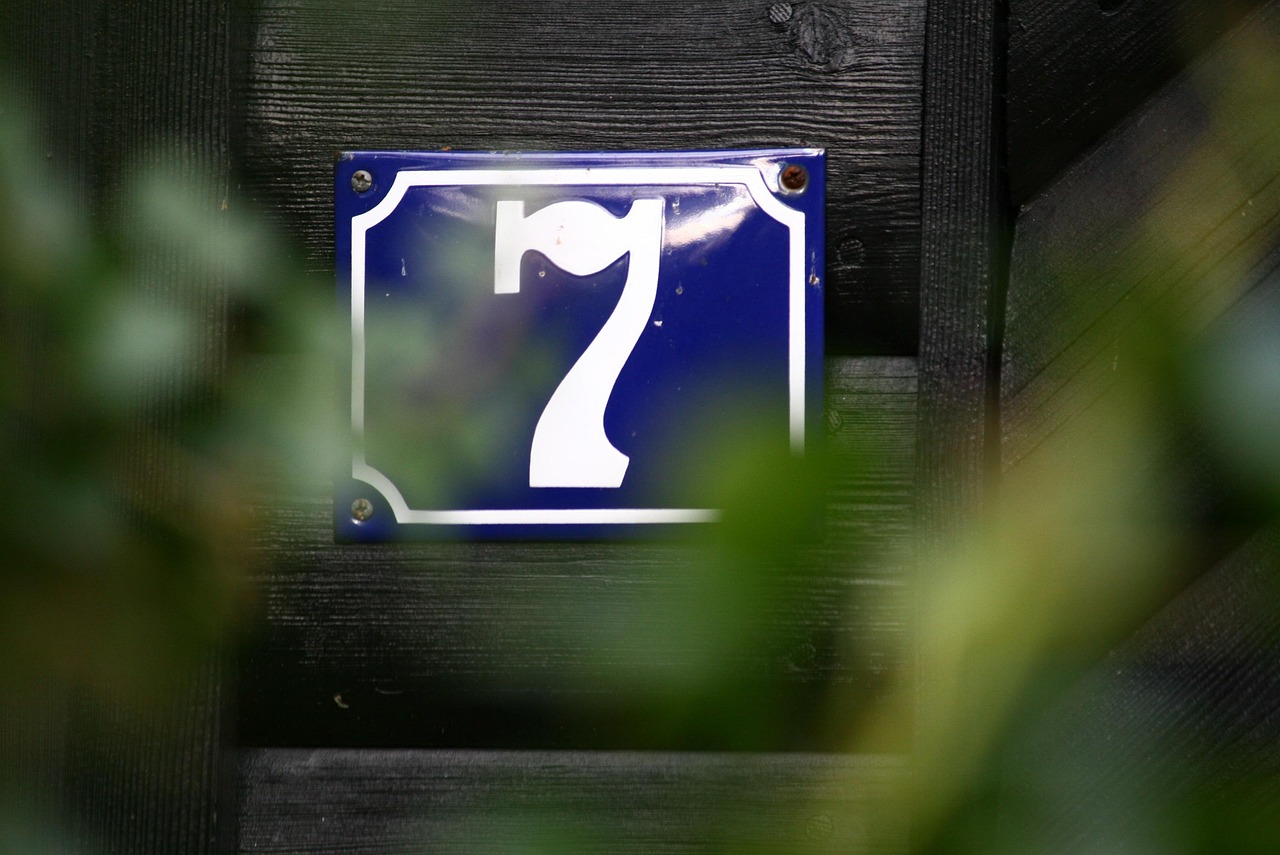
Throughout history, the number seven has been regarded as a symbol of several divine powers. In religious contexts, particularly within Judaism and Christianity, seven is considered a sacred number, representing perfection and completion.
The Bible mentions the seven days of creation, and Jewish tradition speaks of the seven heavens. Ancient Egyptians believed in seven pathways to the afterlife, and in many other cultures, seven was linked with celestial and divine forces.
Despite its strong association with luck in Western and Abrahamic cultures, the number seven is not universally considered lucky.
The Fortune Cookie- A Surprise with Chinese Roots
While fortune cookies are widely believed to be a Chinese tradition, their true origin lies in Japan.
The fortune cookie was invented in 1914 by a Japanese man named Makoto Hagiwara in San Francisco, though there are competing claims regarding its creation.
Initially derived from Japanese rice crackers that contained fortunes, the fortune cookie was later adapted to American tastes and became popular in Chinese-American restaurants.
Gris-Gris- African and Voodoo Talismans of Protection
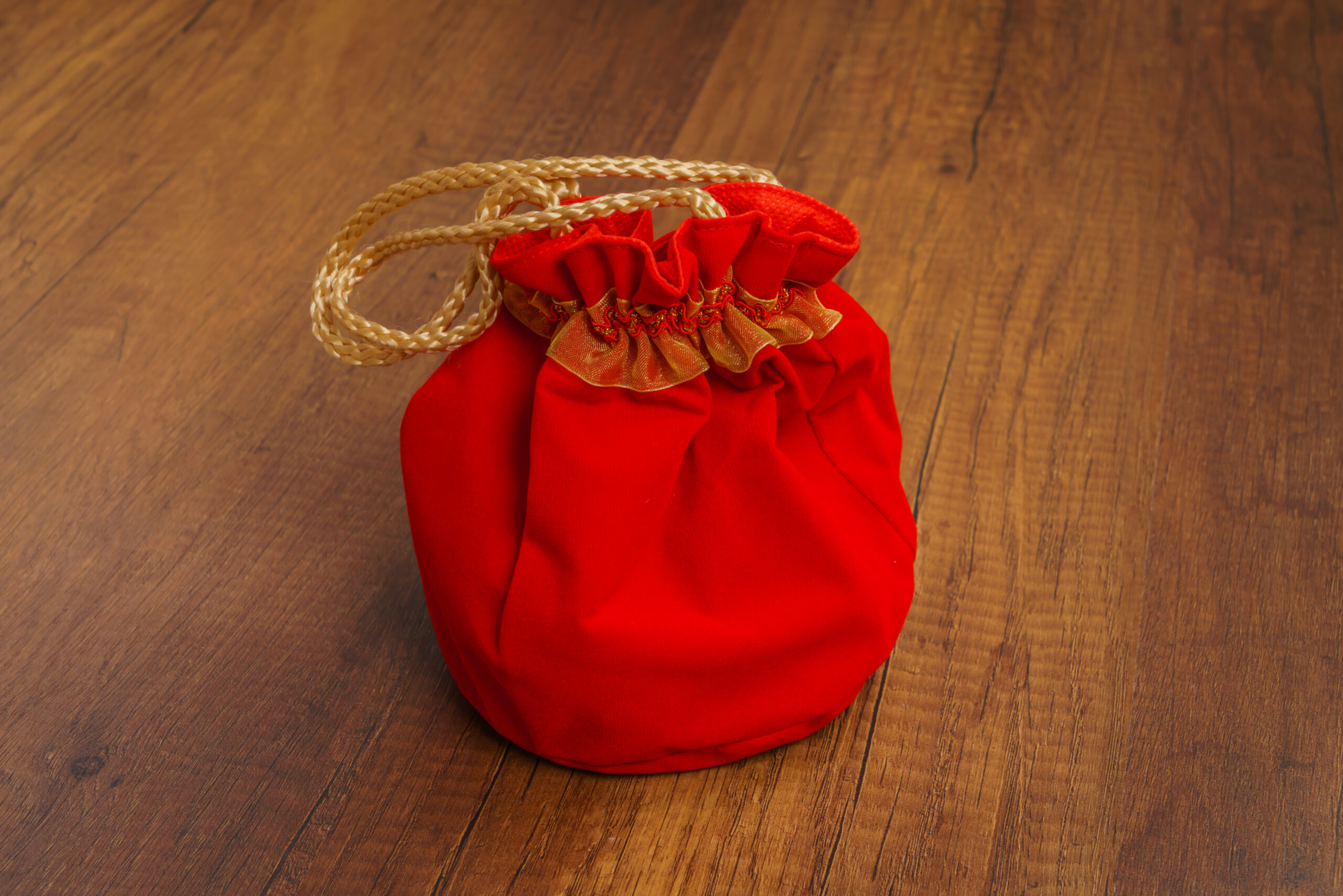
The gris-gris, a small bag or charm, originates from West African Vodun (Voodoo) traditions. Widely used in both African and African-American cultures, particularly in the Americas, the gris-gris serves as a protective charm that can bring good luck or ward off evil.
Traditionally worn around the neck or pinned to clothing, the gris-gris contains various items, such as herbs, stones, or religious inscriptions.
Jin Chan- The Money Toad of Chinese Feng Shui
The Jin Chan, also known as the Ch’an Chu or “money toad,” is a potent symbol of wealth in Chinese culture. This red-eyed, three-legged bullfrog is often depicted sitting atop a pile of coins, with its mouth open as if holding a coin.
Jin Chan’s origin is traced back to ancient Chinese mythology, where the creature is said to have been a toad that ascended to the moon and became an embodiment of wealth.
Maneki-Neko- The Beckoning Cat of Good Fortune
The Maneki-Neko, or “beckoning cat,” is a popular Japanese charm that is believed to bring good luck and prosperity.
This cat figurine is usually depicted with one paw raised in a beckoning gesture, often found in shop windows and businesses across Japan. The cat’s raised paw is thought to attract customers, business, and positive energy.
The legend behind the Maneki-Neko tells of a poor shopkeeper who found a starving cat. After caring for the cat, his business began to thrive, and the cat became a symbol of good fortune.
Kachina Dolls- Sacred Symbols of Hopi Culture
Kachina dolls have long been a part of Hopi culture in the southwestern United States. These handcrafted dolls represent the various spirits, or “Kachinas,” believed to interact with the Hopi people.
Traditionally carved from cottonwood roots and decorated with clothing and jewelry, these dolls serve as both educational tools for young girls and spiritual symbols that bring protection and good luck.
Carranca- Brazilian Boat Guardians
Originating in Brazil, the Carranca is a wooden figure traditionally placed at the bow of boats. These fierce, scowling figures are designed to protect the vessel from evil spirits and prevent disaster at sea.
The Carranca, commonly seen in the Rio São Francisco region, is an iconic symbol of protection and good luck for sailors.
Palad Khik- The Thai Amulet of Fertility and Protection

The Palad Khik, a Thai amulet resembling a phallus, is believed to offer protection and good luck, especially in matters of fertility and health. Rooted in ancient Indian traditions, the Palad Khik reached Thailand via Buddhist monks in the 8th century.
Though its shape may seem unusual, it is believed to offer blessings and safeguard one’s well-being.
Conclusion
By exploring the diverse origins of these 10 good luck charms, we uncover the rich tapestry of cultural beliefs that shape our understanding of luck, fortune, and protection.
Whether stemming from ancient rituals, mythological figures, or modern superstitions, these charms continue to play an influential role in people’s lives, offering hope and a sense of control over the forces of fate.
Read the Original Article on Crafting Your Home