10 Everyday Foods You Didn’t Realize Came from U.S. Military Food Science
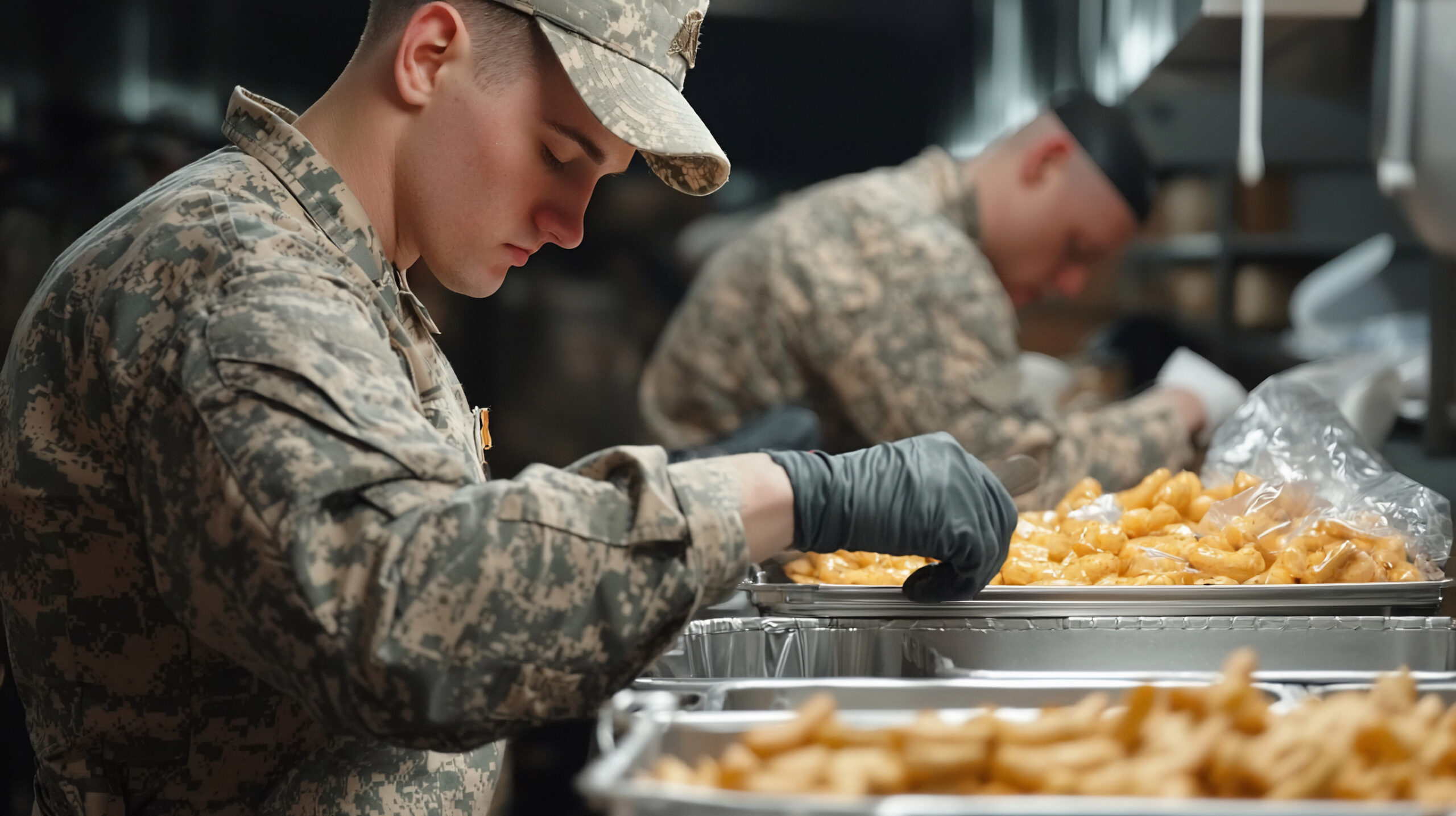
Walk through any grocery store in America and you are quietly walking through a history of war, logistics, and military science.
Behind the soft loaf of sandwich bread, the bagged salad, the neon cheese dust, and even the instant coffee on your shelf sits one of the biggest “invisible” food innovators on earth: the U.S. military.
For more than a century, military labs, the Quartermaster Corps, and partner universities have been tasked with solving a brutally practical problem:
How do you feed millions of soldiers, in all climates, with food that is cheap, compact, safe, and still tastes good?
The solutions to that problem changed civilian eating forever. This post walks through 10 everyday foods and food technologies that exist largely because the U.S. armed forces needed better rations—and then shared their breakthroughs with the civilian world.
Instant Coffee

If one product captures the marriage of convenience, caffeine, and combat, it is instant coffee.
Early forms of soluble coffee existed before the 20th century, but they were rough: bitter, unstable, and not widely loved. The U.S. military turned that awkward experiment into a global habit.
-
In early conflicts, commanders wanted a drink that delivered caffeine fast, took almost no space, and could be prepared in a tin cup with boiling water.
-
During World War I, soluble coffee became a daily ration for troops. Soldiers carried small portions of dehydrated coffee that dissolved quickly in hot water.
-
By World War II, big companies had perfected better-tasting, more stable versions to satisfy massive military orders. The army bought entire factory outputs.
Troops came home hooked on the convenience of stirring a spoonful of powder into hot water. Civilian brands simply followed their taste buds. That is how instant coffee shifted from battlefield necessity to supermarket icon—because soldiers had already proven the habit.
Frozen Orange Juice Concentrate
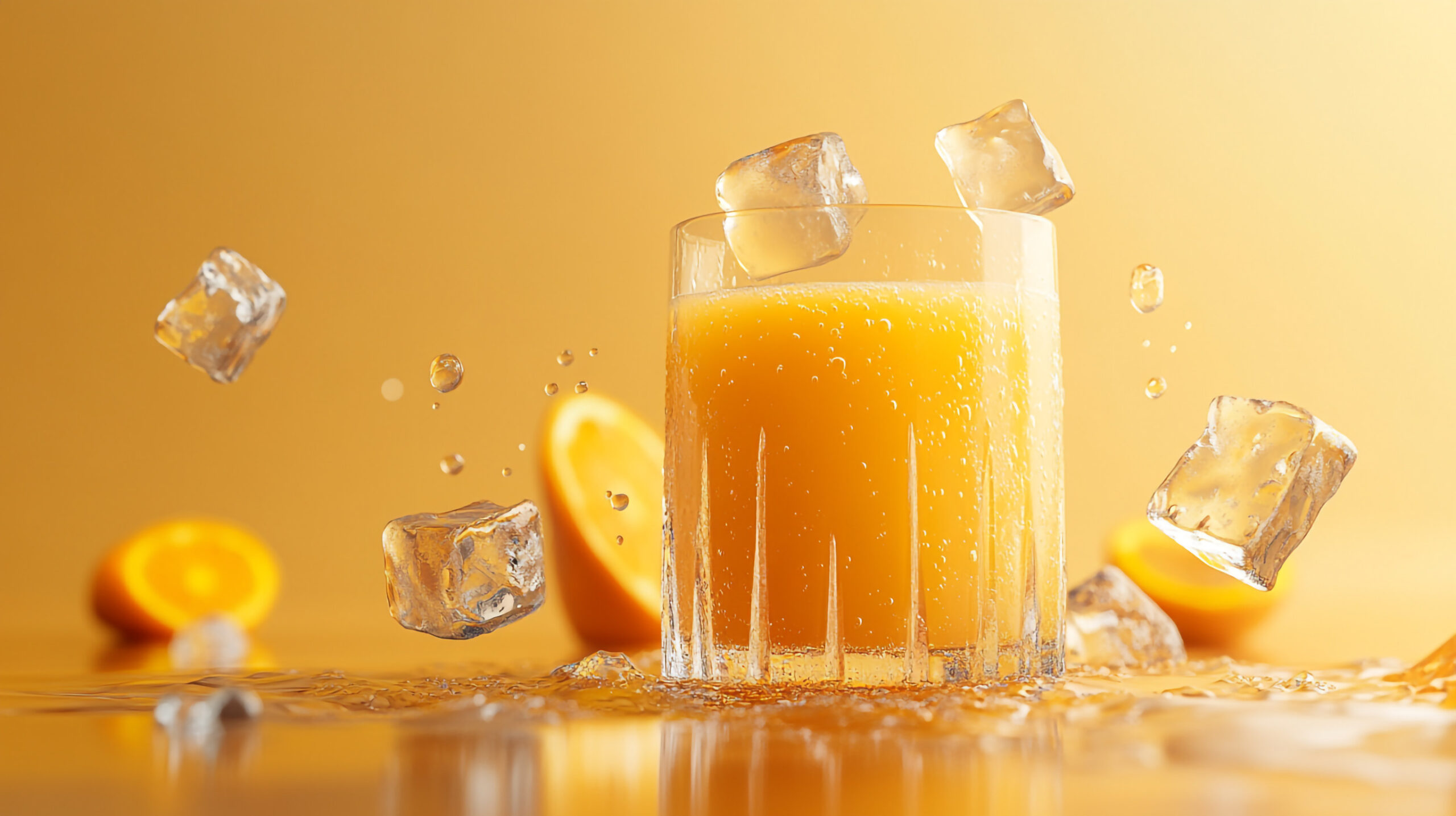
Frozen orange juice concentrate began not as a breakfast luxury, but as a logistics and health fix. Military planners had a very specific problem:
How do you keep soldiers supplied with Vitamin C in hot, humid places where fresh fruit spoils fast?
To solve it, the U.S. Army and government food scientists:
-
Worked on ways to concentrate orange juice without destroying flavor or nutrients.
-
Used vacuum concentration and low-temperature processing, then froze the result to preserve both freshness and vitamin content.
-
Developed a compact product that could be shipped in bulk, stored for long periods, and reconstituted with water near the front.
The war ended just as the technology became usable at scale. Instead of shelving the research, private companies licensed it, rebranded, and rolled out frozen orange juice concentrate to American families.
That little cylinder in the freezer aisle exists because the military needed a stable pipeline of Vitamin C, not because someone dreamed up “Sunday brunch in a can.”
Soft, Shelf-Stable Sandwich Bread
The soft loaf you grab for sandwiches has a surprisingly tactical origin. Traditional bread goes stale fast. On a battlefield, that means frequent baking or reliance on hard crackers. Neither solution works well for a modern, global force.
The U.S. military wanted:
-
Bread that stayed soft for weeks instead of days.
-
Loaves that could be baked in bulk, shipped long distances, and still feel “fresh” to soldiers.
Researchers working under military contracts studied the chemistry of staling:
-
Starch molecules in bread realign and harden over time, which makes bread feel dry and tough.
-
By adding specific fats, enzymes, and emulsifiers, scientists disrupted that process, slowing down the firming of the crumb.
-
The result was bread that kept its softness for extended periods without crumbling or molding quickly.
Fast-food chains and commercial bakeries had been waiting for this kind of solution. Once the formulas migrated into civilian production, the “pillowy” loaves and burger buns we take for granted became standard.
In other words, the reason your sandwich bread still feels soft at the end of the week is that the U.S. military hated hard field rations as much as you do.
Restructured Meat
Meat is heavy, expensive, and uneven. A global military wanted something different: uniform, predictable, easy-to-ship protein that still felt and tasted like meat.
That challenge led U.S. military labs and partner universities into a new kind of meat engineering: restructured meat.
Here is the basic idea:
-
Take lower-cost cuts or trimmings.
-
Grind them, add binders and seasonings.
-
Press the mixture into consistent shapes that freeze, transport, and cook evenly.
This “fabricated steak” approach solved several problems for the armed forces:
-
More efficient use of animal products.
-
Standard portion sizes for millions of rations.
-
Better texture and bite than traditional canned meats.
Food companies quickly adapted the technique. With some branding magic and sauce, those same principles produced products like:
-
Uniform chicken pieces for nuggets.
-
Pork patties shaped to resemble ribs—the foundation of the famous fast-food rib sandwich.
So that saucy, boneless “rib” on a bun traces back to military research into how to stretch protein farther while still giving troops something that felt like a treat.
Energy Bars
Before trendy protein bars filled convenience-store shelves, the U.S. military was quietly pushing the limits of compact, calorie-dense nutrition.
The goals were clear:
-
Pack as many calories as possible into a small, durable bar.
-
Ensure the bar stayed stable in heat, cold, and rough conditions.
-
Add vitamins and minerals to support performance and survival.
Early emergency bars were intentionally unpleasant so soldiers would not snack on them casually. Over time, though, research shifted toward:
-
Controlled moisture levels that prevent spoilage without turning the bar into a brick.
-
Fat and carbohydrate blends designed for sustained energy.
-
Flavors and textures that troops would accept in daily rations.
The same technologies moved into space programs and then straight into grocery aisles. Moisture-controlled bars inspired:
-
The first “space-age” snack sticks.
-
The early wave of granola and energy bars marketed to athletes and busy families.
Every time we toss an energy bar into a backpack for a hike or a commute, we are using a format tested first in foxholes and spacecraft.
Freeze-Drying
Freeze-drying, or lyophilization, existed in basic form before World War II. The U.S. military turned it into a massive industrial tool.
Planners needed a way to ship crucial items—blood plasma, medicines, and certain foods—across oceans without refrigerators. Regular drying damaged delicate compounds. The answer was a more advanced process:
-
First, the product is frozen solid.
-
Then, under low pressure, ice turns directly into vapor instead of melting.
-
This removes water while keeping structure, flavor, and nutrients remarkably intact.
The military poured resources into refining and scaling this technique. Once the process worked for medical supplies, it became a natural fit for foods:
-
Lightweight, shelf-stable meals for air crews and special units.
-
Components that could be rehydrated quickly in the field.
After the war, the private sector embraced freeze-drying for:
-
Backpacking meals and camping supplies.
-
Instant coffee crystals.
-
Novelty snacks like “astronaut ice cream.”
That modern pouch of just-add-water pasta in the camping aisle is part of the same scientific lineage as the freeze-dried plasma that saved lives on distant battlefields.
Modified Atmosphere Packaging
Those bags of salad mix that stay crisp for days are not just plastic and luck; they are a direct descendant of naval food logistics.
Ships and remote bases needed a steady supply of fruits and vegetables without rapid spoilage. Refrigeration helped, but the military wanted longer life and more flexibility.
Scientists found that fresh produce breathes. It takes in oxygen and releases carbon dioxide. Inside normal air, that process speeds ripening and decay. Inside a carefully controlled atmosphere, the process slows.
Military-backed research developed ways to:
-
Use specific mixtures of gases (usually oxygen, carbon dioxide, and nitrogen) around the food.
-
Pair those gas levels with special plastic films that let just enough gas move in and out.
-
Tune the system so that greens and other produce stayed fresh far longer.
This concept—modified atmosphere packaging—moved from large containers for ships into consumer packaging. By the 1980s and 1990s, it had become the backbone of:
-
Ready-to-eat salad kits.
-
Pre-cut vegetables.
-
Many fresh, packaged convenience foods in the refrigerated section.
So every time we grab a bagged salad that still looks farm-fresh days later, we are benefiting from technology first designed to keep sailors and soldiers nourished on long deployments.
Dehydrated Cheese Powder
Cheese is nutritious, calorie-dense, and beloved—but it spoils quickly and takes up space. The U.S. military needed a way to use cheese in rations without hauling massive refrigerated blocks around the globe.
Government and university scientists took on the challenge:
-
They experimented with cooking and carefully drying cheese into granules or powder.
-
The goal was a product that stayed stable (no mold), reconstituted well with water or fat, and still tasted like cheese.
-
Along the way, they refined methods for blending different cheeses into uniform, predictable powders.
During World War II, the military bought enormous amounts of processed cheese products, which pushed research and production capacity forward at high speed.
After the war, those same powders flowed into:
-
Boxed macaroni and cheese dinners.
-
Coatings for puffed corn and other snacks.
-
Crackers and other shelf-stable cheese-flavored foods.
The bright orange cheese dust on popular snacks has a serious supply-chain story behind it. Without the military’s drive to miniaturize and stabilize cheese, many of today’s cheesy convenience foods would not exist in their current form.
Heat-Stable “Tropical” Chocolate Bars
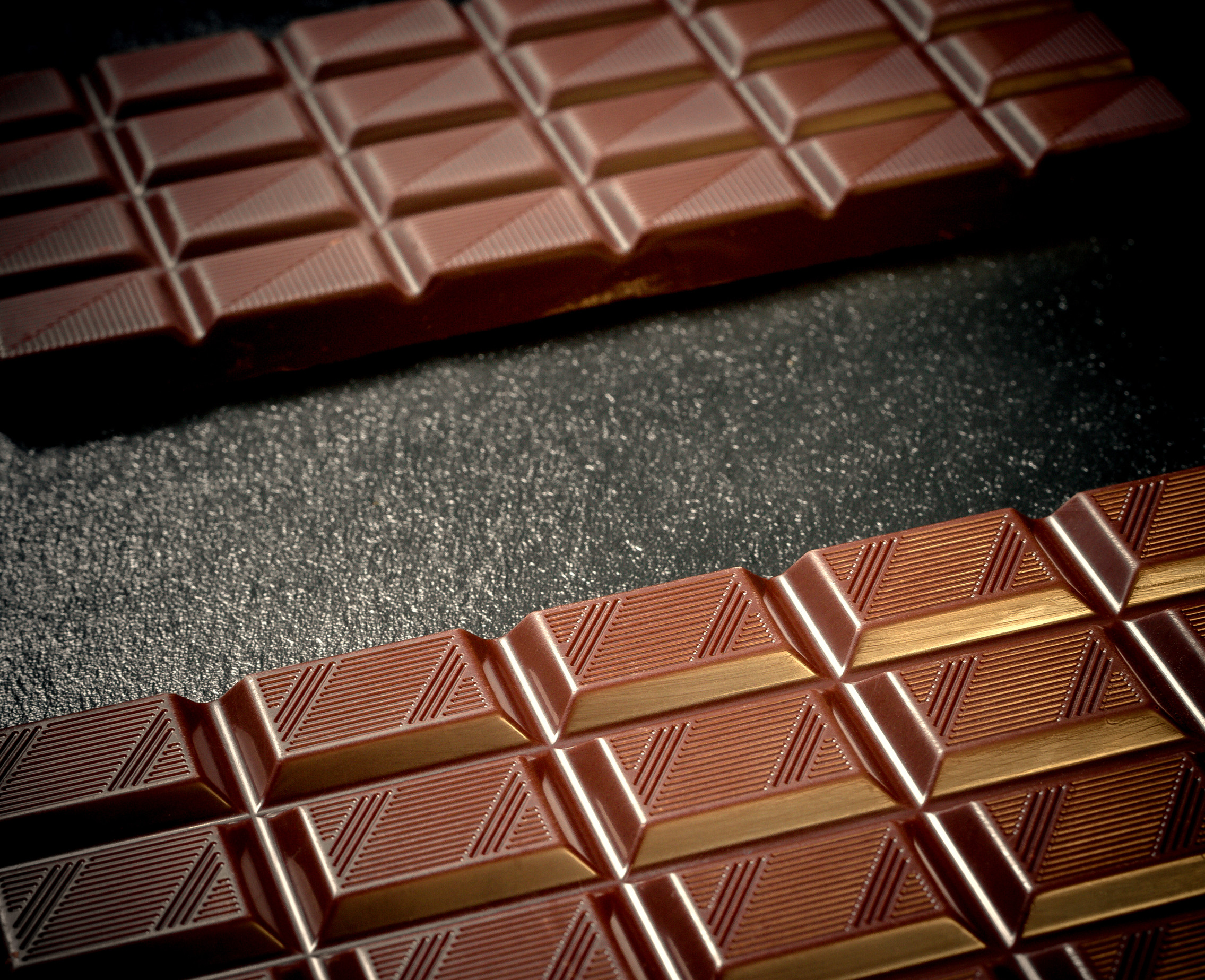
Chocolate was a morale booster in rations, but standard bars turned into messy puddles in hot climates. That created a simple, frustrating problem for the military:
How do you keep chocolate solid and edible inside a uniform pocket on a scorching day?
The solution came through collaboration between military planners and major chocolate manufacturers:
-
They created extremely dense bars fortified with nutrients and designed for high melting points.
-
Early versions tasted harsh because flavor sat behind durability and nutrition.
-
Later iterations improved taste while still surviving extreme heat.
At their peak, hundreds of millions of heat-resistant bars were shipped to troops worldwide. That research into fat crystallization, stabilizers, and packaging later influenced:
-
Candy coatings that protect chocolate centers.
-
Snack bars that hold shape in warm conditions.
-
Modern heat-stable chocolate products sold in hot climates.
So the science that kept chocolate from melting in the hands of soldiers now helps keep it intact from store shelf to glove compartment.
Potato Flakes
Potatoes are filling, cheap, and versatile—but they are also bulky, heavy, and prone to spoilage. Moving them by the ton to front lines was inefficient. Military planners wanted the comfort of mashed potatoes without the supply-chain headache.
Food scientists working with the U.S. government developed an answer: potato “flaking.”
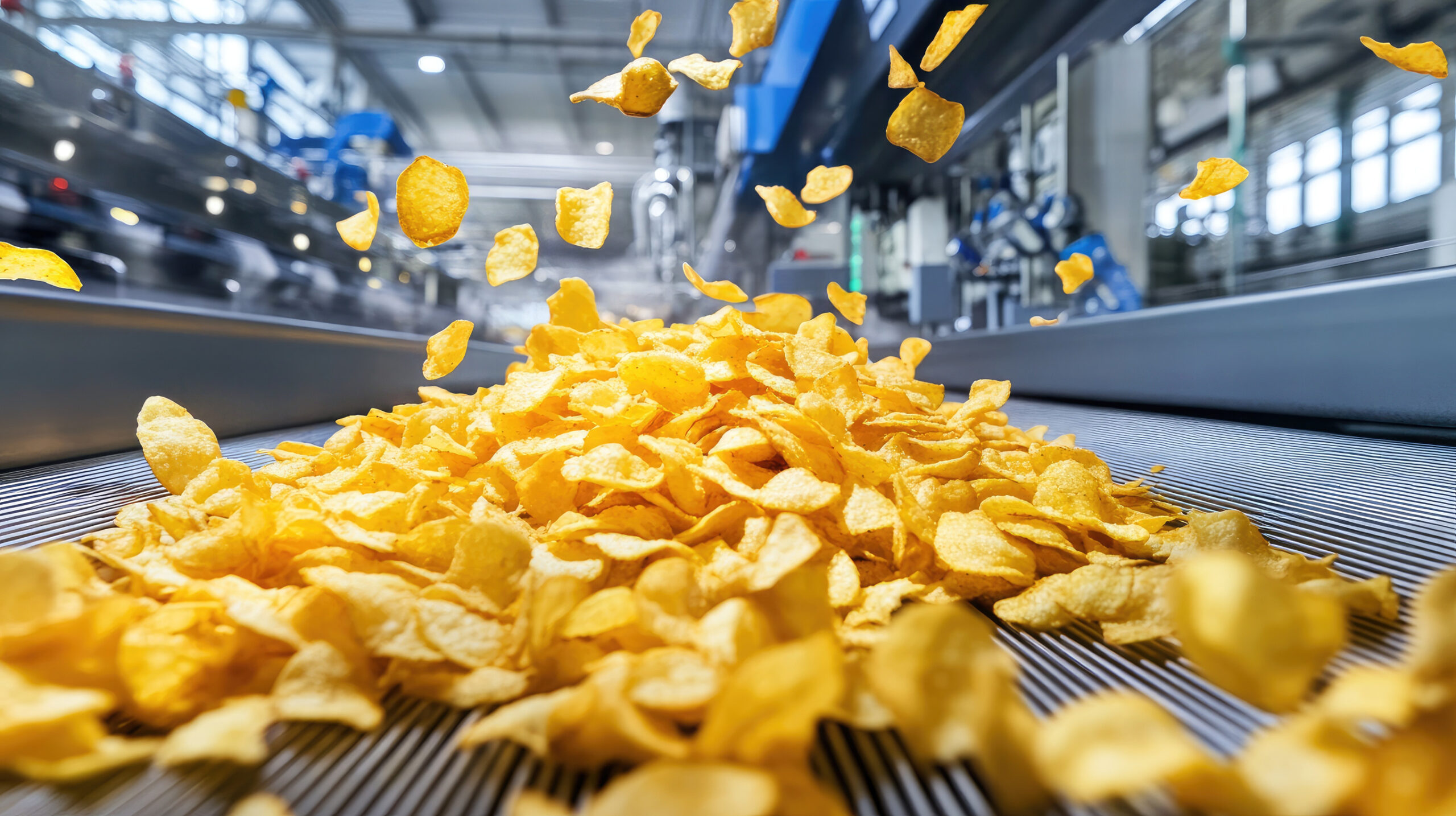
The basic process:
-
Potatoes are peeled, cooked, and mashed.
-
The mash is spread into thin layers and gently dehydrated.
-
Once dry, it is broken into light, crispy flakes.
These flakes:
-
Rehydrate quickly with hot water and a bit of fat.
-
Keep much of the flavor and texture of real mashed potatoes.
-
Take a fraction of the space and weight of fresh potatoes.
The military used them to serve hot, comforting starch with minimal kitchen equipment. Later, manufacturers brought the same flakes into grocery stores as instant mashed potatoes—a product that still uses a version of the original process.
How Military Food Innovations March into Civilian Life
These foods did not just “escape” from top-secret labs. The U.S. military has long worked under policies that encourage technology transfer. Once a process works for troops, the government often:
-
Publishes the science.
-
Licenses it to private companies.
-
Encourages industry to adapt it for the civilian marketplace.
That is why so many battlefield solutions show up later as:
-
Convenient pantry staples.
-
New product categories (energy bars, bagged salads, freeze-dried meals).
-
Better versions of old favorites (softer bread, more stable chocolate, cheese powders).
Behind all of this sits a simple reality: feeding an army forces innovation. The need to send safe, tasty food to a soldier on a jungle trail or a ship in the Pacific usually pushes technology farther than a regular grocery brand could justify on its own.
Read the original article on Crafting Your Home