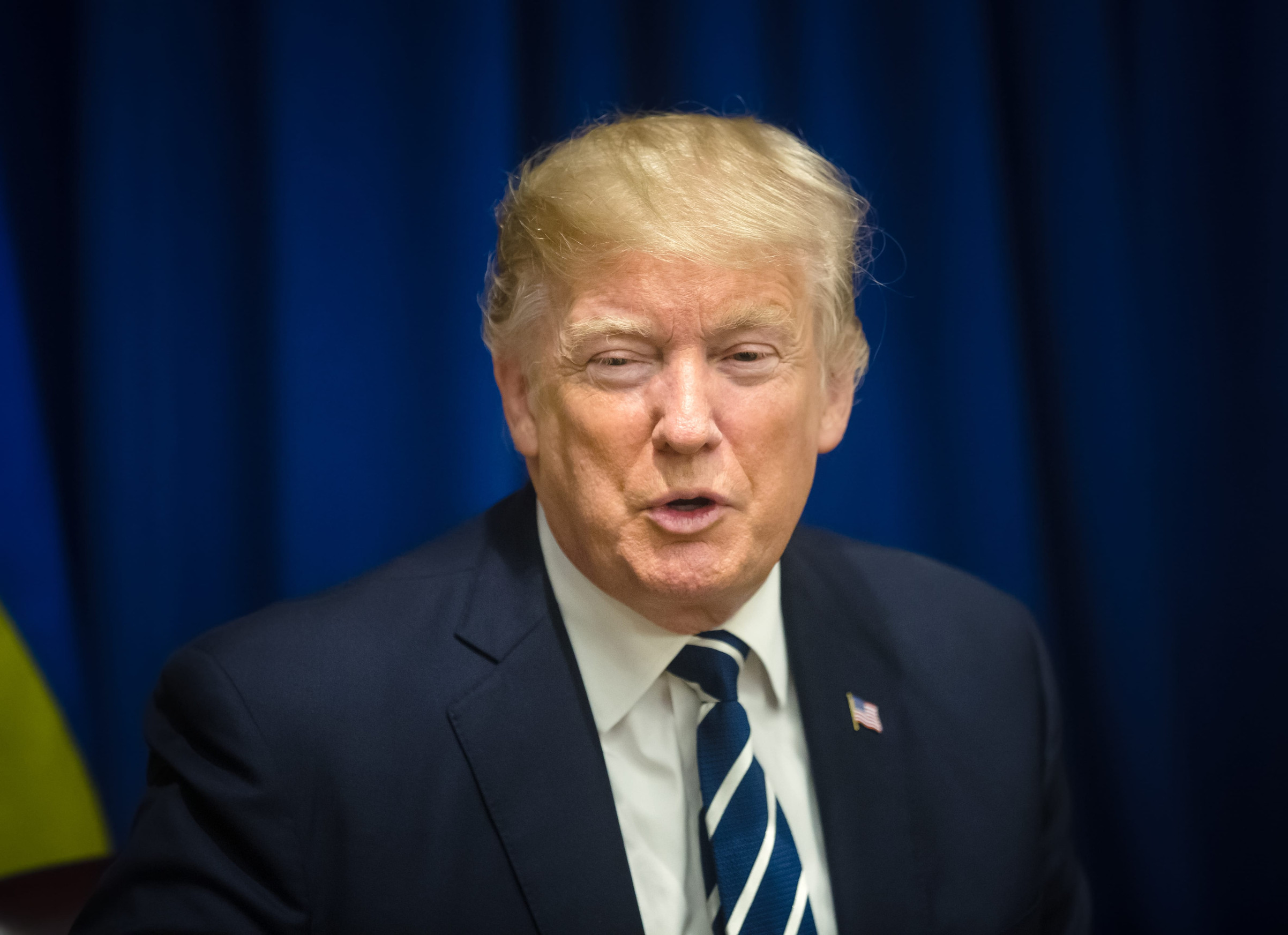
President Donald Trump’s latest claim about Black unemployment sounded bold for only a few seconds. Then even he seemed to question it. Speaking at a Wisconsin event, Trump said African American unemployment was “doing better than it’s ever done,” before adding that he did not know where the statistic came from but would “take it” anyway.
That moment matters because unemployment numbers are not campaign confetti. They are monthly federal measurements that affect how workers, families, employers, economists, and voters understand the real economy. When a president claims a record, the claim needs to withstand the simplest available test: the official data.
The latest federal jobs report shows that the Black or African American unemployment rate stood at 6.6 percent in May 2026. That was an improvement from April’s 7.3 percent rate, but it was nowhere near the historic low. The record low was set during Joe Biden’s presidency, when Black unemployment fell to 4.8 percent in April 2023.
That makes Trump’s claim more than a casual exaggeration. It reverses the record, blurs recent labor-market weakness, and turns a one-month improvement into something it is not. We can acknowledge that Black unemployment improved in May without pretending the number made history.
Black Unemployment Remains Higher Than the National Unemployment Rate

The May 2026 jobs report also showed that the overall U.S. unemployment rate was 4.3 percent. That means Black unemployment, at 6.6 percent, was still more than two percentage points higher than the national rate. This gap is not new, and it did not begin with Trump or Biden.
For decades, Black unemployment has remained persistently higher than White unemployment and the national average. That pattern reflects deeper structural issues, including hiring discrimination, geographic inequality, unequal access to networks, educational disparities, transportation barriers, and differences in industry exposure. A president can influence labor-market conditions, but no administration can honestly treat one monthly number as proof that those long-running gaps have disappeared.
That is why the record-low debate should not become a scoreboard game alone. The real issue is whether the economy is producing stable, well-paid, accessible work for Black Americans across regions and industries. A false record claim distracts from that harder question.
Why This Claim Matters for Black Workers
The danger in Trump’s Black unemployment claim is not just that it got a number wrong. The deeper issue is that it uses Black workers as a political trophy without accurately describing their economic reality. A community’s labor-market condition should not be flattened into a talking point that even the speaker admits he cannot source.
Black workers have seen real gains in recent years, especially during periods of tight labor demand. Strong job markets can reduce racial unemployment gaps, raise wages for lower-paid workers, and give job seekers more bargaining power. Those gains deserve attention because they affect rent, groceries, debt, child care, savings, and long-term stability.
But false claims can weaken that conversation. If the public is told that Black unemployment is at its best point ever when it is not, the pressure to solve remaining gaps fades. The country starts celebrating a finish line it has not reached.
Read the original story on Crafting Your Home