
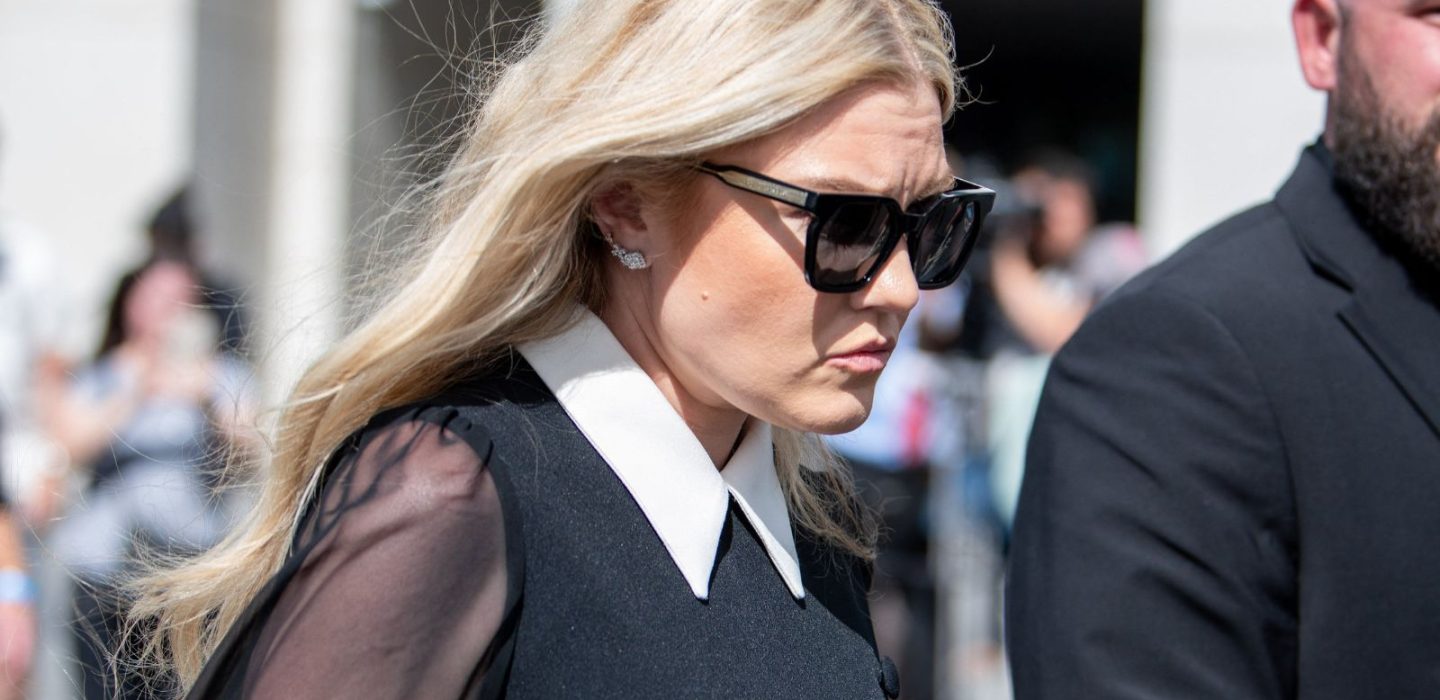

Erika Kirk has taken the first formal legal step toward suing Utah Valley University over her husband’s death, filing a notice of claim that accuses campus officials of ignoring warnings about the exact rooftop a gunman later used to kill him.
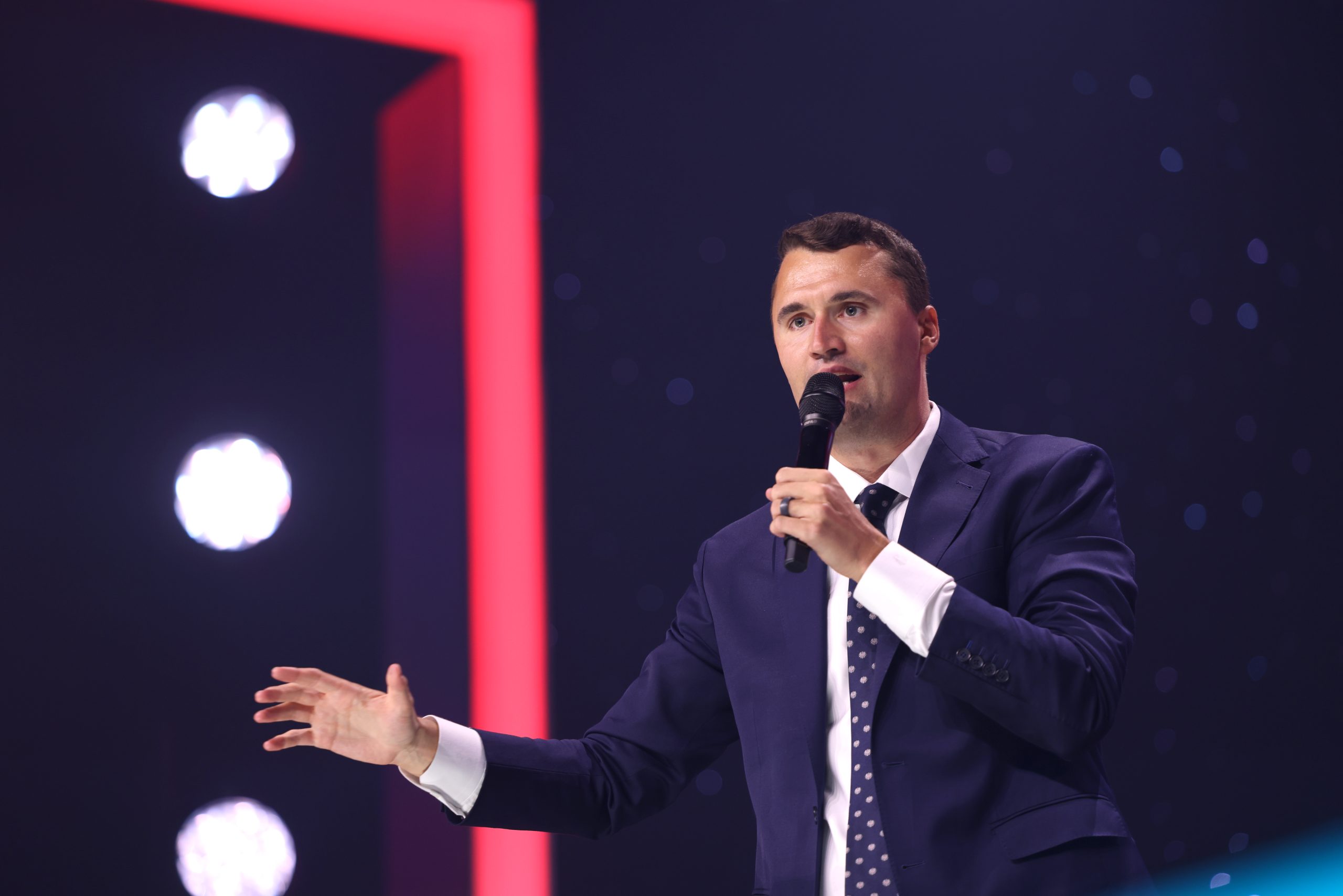
The filing, submitted September 9, arrived one year and six days after Charlie Kirk was shot while addressing a crowd of roughly 3,000 people at an outdoor event on the Orem, Utah campus.
It names Utah Valley University, the State of Utah, the UVU Police Department, Police Chief Jeffrey Long, and former UVU president Astrid Tuminez as prospective defendants, according to the Deseret News, which obtained the document.
A filing deadline set the clock running
Utah law gives the spouse, child, or parent of someone killed by a negligent government employee one year from the date of death to file a notice of claim, with two years allowed to bring the actual lawsuit. That statute set a hard deadline for the Kirk family’s legal timeline, and the September 9 filing lands squarely within it.
The notice itself carries no dollar figure. The Deseret News reported the document describes potential damages as substantial, leaving the specific number for a future complaint. Prospective plaintiffs include Kirk’s estate, Erika Kirk, and the couple’s two children, identified in the filing only by their initials, G.K. and M.K.
What the notice accuses the university of missing
The claim centers on rooftop access at the building where the shooter, Tyler Robinson, positioned himself before firing. According to the document, Utah Valley University was already aware that students routinely used that same rooftop walkway, reachable by climbing over a small gate connecting two buildings, a detail NewsNation confirmed by testing the route itself after the shooting.
Through a series of stunning failures and reckless decisions, the filing states, UVU created a foreseeable danger that left Kirk helpless against a rooftop shooter in an assassination the university could have prevented. The document goes further, calling Kirk’s death entirely preventable by Long and Tuminez specifically, rather than attributing the failure to the institution in the abstract.
A text exchange now sits at the center of the case
The most concrete piece of evidence in the notice is a message exchange described by The Hill. A Turning Point USA staff member reportedly texted Chief Long before the event, flagging that student roof access sat close to where Kirk would be speaking and asking whether the area could be secured or staffed by TPUSA’s own team. Long’s reply, as quoted in the filing: ‘I got you covered.’
That exchange matters because it shifts the legal question from whether campus officials could have known about the risk to whether they were told directly and chose not to act. Wrongful-death claims against government entities often hinge on exactly that distinction between general negligence and a specific, documented warning.
The university’s public account, so far
Utah Valley University has not filed a formal response to the notice, and a spokesperson told ABC News the school would handle the matter through its established legal processes. Before the notice became public, UVU’s own event FAQ page stated that Kirk’s private security team coordinated directly with Chief Long on security measures, a description the family’s filing now directly disputes.
Tuminez, in a statement issued days after the shooting, said the university would commission a comprehensive, independent third-party review of the incident and use its findings to strengthen safety practices across Utah higher education. That review has been delayed and is now expected sometime this fall, more than a year after the shooting it was meant to examine.
Related: Reality Star Carl Radke Advised to Stay Silent on Erika Kirk’s Bravo Past
Where the case goes from here
Under Utah’s notice-of-claim process, the named defendants have 60 days to respond before the Kirk family can proceed to a formal lawsuit. That window points to a probable filing date in November, assuming the family follows through, though nothing in the notice legally obligates them to.
Erika Kirk has already appeared in the case’s criminal track, seen leaving Utah’s Fourth District Courthouse in July after a hearing for Robinson, who faces murder charges and has pleaded not guilty. The civil claim now running alongside that prosecution raises a separate question: not who pulled the trigger, but whether the people responsible for securing the event were warned and failed to act.
Campus security liability cases involving public figures are rare enough that few direct precedents exist, which means how this claim is resolved, whether through settlement, dismissal, or trial, could shape how universities across the country handle security requests from outside groups hosting high-profile speakers going forward.
For now, the case remains at its earliest procedural stage, with the burden on Utah Valley University and its named officials to respond within the statutory window.
Why campuses became a flashpoint before this
Kirk had appeared on the UVU campus once before, in 2019, as part of a Turning Point USA stop, according to the university’s own event page. That history helps explain why the family’s filing frames the September 2025 visit as a known quantity for campus security planners rather than a one-off request handled under time pressure.
Outdoor, open-attendance speaking events built around a single high-profile figure carry a different security calculus than a ticketed indoor venue, since crowd control and perimeter access have to account for rooftops, walkways, and sightlines that a gymnasium or auditorium would not present. The notice’s emphasis on the specific rooftop, and on the prior warning about it, is built to show that calculus was understood and then set aside.
What comes next for readers following the civil track
No court date exists yet, and none can be set until the 60-day response window closes and a formal complaint is filed. Until then, the public record consists of the notice of claim itself, the university’s limited public statements, and the underlying facts of the shooting that are already established through the ongoing criminal case against Robinson.
The criminal and civil tracks will likely continue on separate timelines. Robinson’s prosecution addresses culpability for the shooting itself, while the Kirk family’s claim, once filed as a lawsuit, would instead test whether the university’s security decisions in the weeks before the event amounted to negligence under Utah law. Both outcomes will be watched well beyond Utah, given how directly the case touches campus event planning nationwide.
Other Posts You May Like
- Behind the Melodies of Unspoken Grief: Carly Simon Unpacks the True Cost of Her High-Profile Divorce on Her Children in New Album ‘Comes in Waves’
- Courtney Love Asked Seattle Police To Hand Over The Entire Kurt Cobain Death File, Newly Revealed Documents Show
If you like what you just read, then subscribe to our newsletter and follow us on social media.


