Eating These 6 Foods Could Be Ruining Your Cholesterol
Managing cholesterol is crucial for maintaining heart health. High cholesterol levels can lead to clogged arteries and increase the risk of heart disease, stroke, and other serious health complications.
One of the most effective ways to manage cholesterol is by making informed dietary choices. This guide helps you understand which foods to avoid if you’re concerned about your cholesterol levels, providing valuable insights for better cardiovascular health.
Saturated Fats

Saturated fats are one of the main contributors to high cholesterol. These fats raise low-density lipoprotein (LDL), or “bad” cholesterol. When consumed in excess, saturated fats increase the risk of developing heart disease by causing plaque buildup in the arteries.
Red meat, full-fat dairy products, and processed meats like bacon, sausages, and hot dogs are some of the worst offenders when it comes to saturated fat.
These foods should be limited or replaced with healthier alternatives to lower LDL cholesterol and promote better heart health.
Trans Fats
Trans fats are artificially created fats found in many processed foods. These fats not only raise LDL cholesterol but also lower high-density lipoprotein (HDL), or “good” cholesterol.
This combination makes trans fats particularly harmful to heart health, as they contribute to a higher risk of heart disease.
Trans fats are commonly found in baked goods like pastries, cookies, and cakes, as well as in fried foods such as French fries, fried chicken, and doughnuts.
Margarine and shortening are also sources of trans fats, so it’s essential to avoid these foods to keep your cholesterol levels in check.
Refined Carbohydrates and Sugary Foods

A diet high in refined carbohydrates and sugar can contribute to high cholesterol levels by causing blood sugar spikes.
These foods promote inflammation and arterial fat buildup, which indirectly affect cholesterol levels.
Though refined carbs and sugary foods may not directly raise cholesterol, they can promote weight gain and increase the risk of developing high cholesterol over time.
White bread, pasta made from refined flour, sugary snacks, sodas, and breakfast cereals loaded with added sugar are common culprits.
By replacing these with whole grains, fruits, and vegetables, you can better manage your cholesterol levels and improve overall heart health.
Fried and Fast Foods
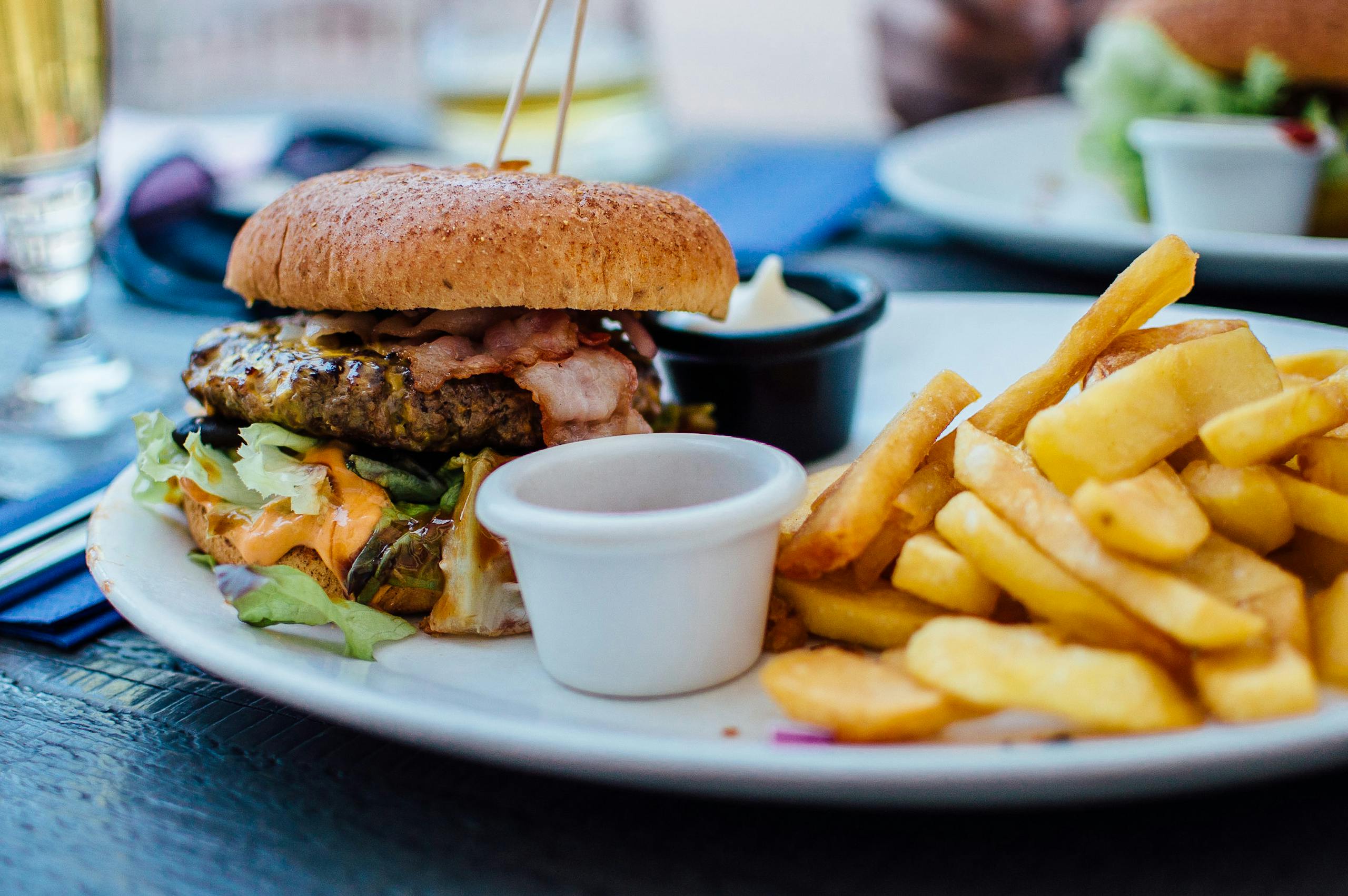
Fried foods and fast food often contain high amounts of unhealthy fats, particularly trans and saturated fats. These fats contribute to elevated cholesterol levels and increase the risk of cardiovascular disease. Additionally, fried and fast foods are typically high in sodium, which can further contribute to high blood pressure, another risk factor for heart disease.
Fried chicken, French fries, fast food burgers, and other greasy snacks should be avoided. Instead, choose grilled, baked, or steamed options that are prepared with minimal oil and healthier fats.
Alcohol

Excessive alcohol consumption can lead to elevated triglyceride levels, which contribute to the buildup of fat in the arteries.
Drinking in excess can also cause weight gain, further worsening cholesterol levels. While moderate alcohol consumption may offer some health benefits, such as improving HDL cholesterol, it is important to limit your intake to prevent negative effects on your heart health.
Limiting alcohol intake to one drink per day for women and two for men can help manage cholesterol levels.
It’s best to avoid sugary cocktails and opt for wine or clear spirits, which tend to have fewer calories and carbs.
High-Sodium Foods
Consuming too much sodium can raise your blood pressure, which, in turn, can exacerbate the effects of high cholesterol.
High-sodium diets are typically found in processed foods, canned goods, frozen meals, and restaurant meals. By cutting back on sodium, you can help prevent high blood pressure and promote better heart health.
Processed snacks, canned soups, frozen dinners, and salty snacks like chips and pretzels are common sources of sodium.
Reducing your intake of these foods and preparing meals with fresh, whole ingredients can significantly lower your sodium intake and benefit your cardiovascular health.
Conclusion
Managing high cholesterol is essential for reducing the risk of heart disease and maintaining a healthy heart.
By avoiding foods high in saturated fats, trans fats, refined carbs, and excessive sodium, you can significantly improve your cholesterol levels and overall health.
Incorporating whole, nutrient-dense foods into your diet and making mindful choices will help you manage your cholesterol and protect your heart.
Read the original article in Crafting Your Home.