
This article was originally published on Crafting Your Home. A human contributor also wrote and edited the post.
The post Earl Spencer Unveils Shocking Posthumous Offer from Queen Elizabeth II to Restore Princess Diana’s HRH Title… and Explains Why He Turned It Down first appeared on Crafting Your Home
Nearly three decades after the tragic passing of Princess Diana, her younger brother, Charles, 9th Earl Spencer, has delivered an extraordinary series of revelations about the tumultuous days following her death.
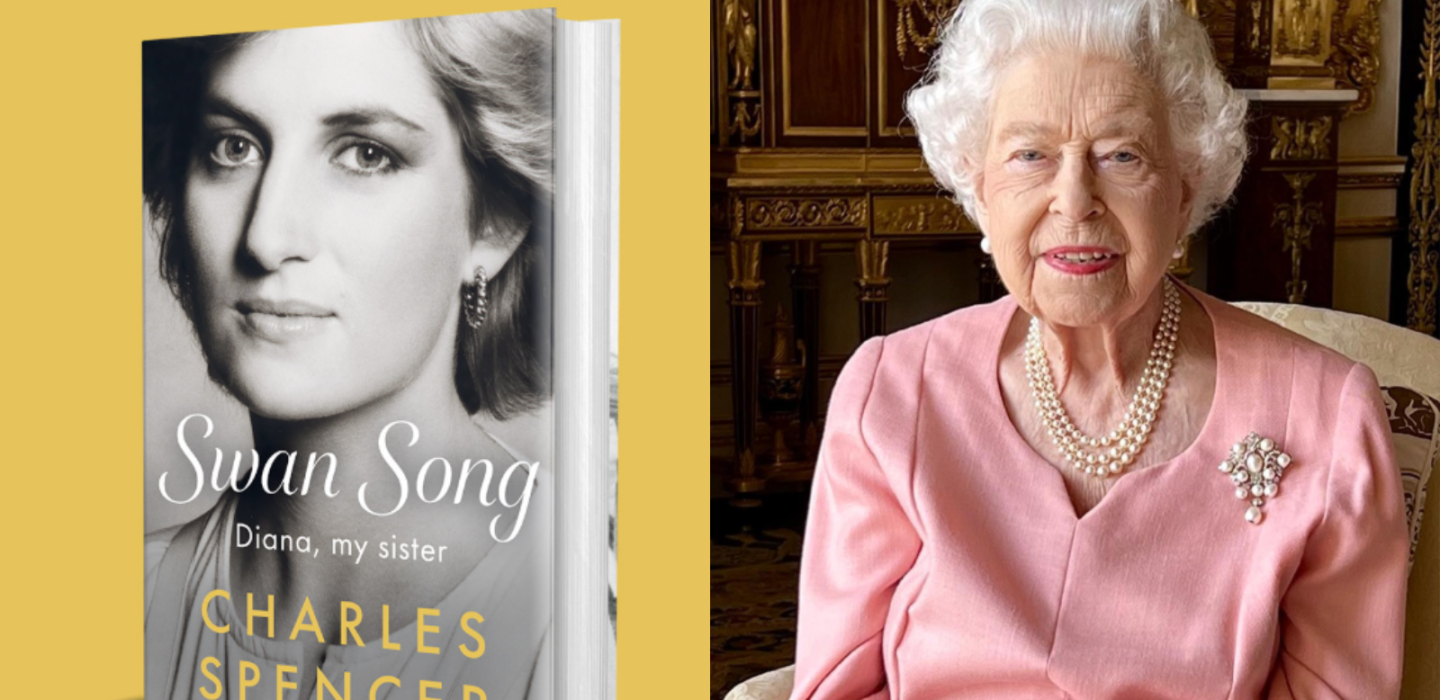
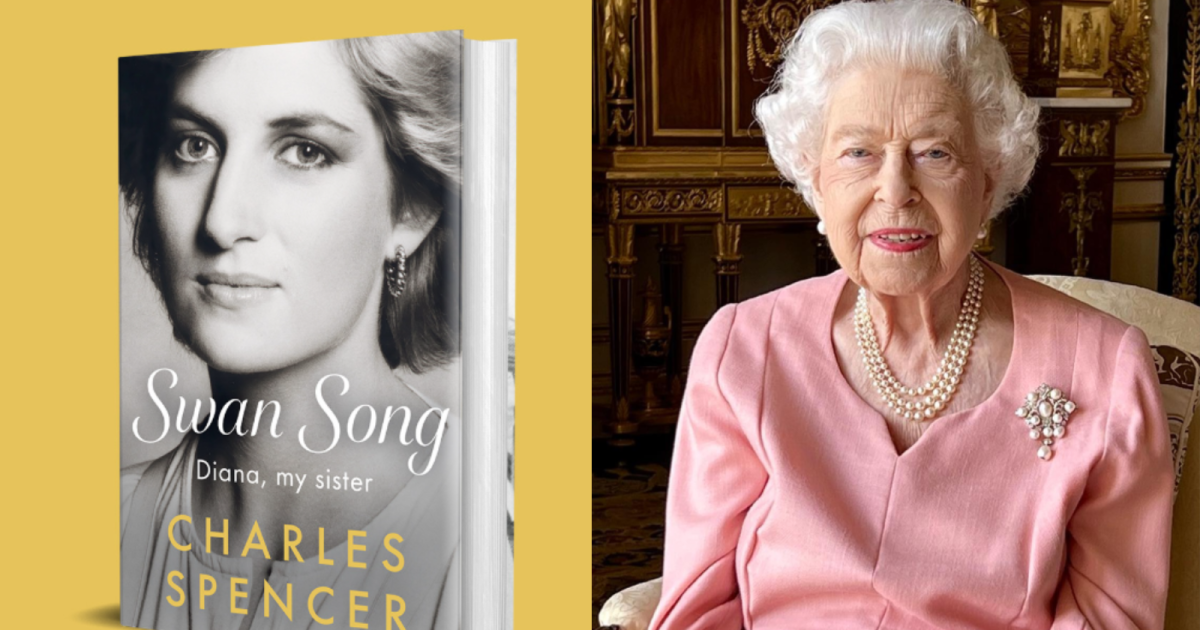
In an exclusive excerpt from his memoir, Swan Song: Diana, My Sister, serialized by the Daily Mail ahead of its publication, Spencer details an unexpected conversation with Buckingham Palace.
The late Queen Elizabeth II offered to posthumously restore Diana’s “Her Royal Highness” (HRH) title on the day of her funeral in September 1997.
However, Spencer turned down the royal gesture, viewing it as a hollow “consolation prize” for a status that should never have been stripped away during her lifetime.
When Princess Diana and then-Prince Charles finalized their high-profile divorce in August 1996, the decision to strip her of the HRH honorific sent shockwaves through the public and left Diana deeply hurt.
While she retained the title “Diana, Princess of Wales,” losing the HRH designation formally separated her from senior royal status and required her to curtsy to her own children, Prince William and Prince Harry.
According to Spencer, the removal of the title was a deliberate blow that deeply affected his sister during the final year of her life, making the monarch’s sudden offer after her death feel both bittersweet and senseless.
The revelations published in September 2026 have reignited historical tensions between the Spencer family and the British monarchy, triggering a rare official reaction from Buckingham Palace.
As royal commentators and historians analyze Spencer’s explosive accounts, the memoir sheds new light on the behind-the-scenes negotiations, raw grief, and firm decisions that shaped one of the most famous royal funerals in modern history.
The Secret Offer Aboard the Royal Train and Spencer’s Immediate Refusal
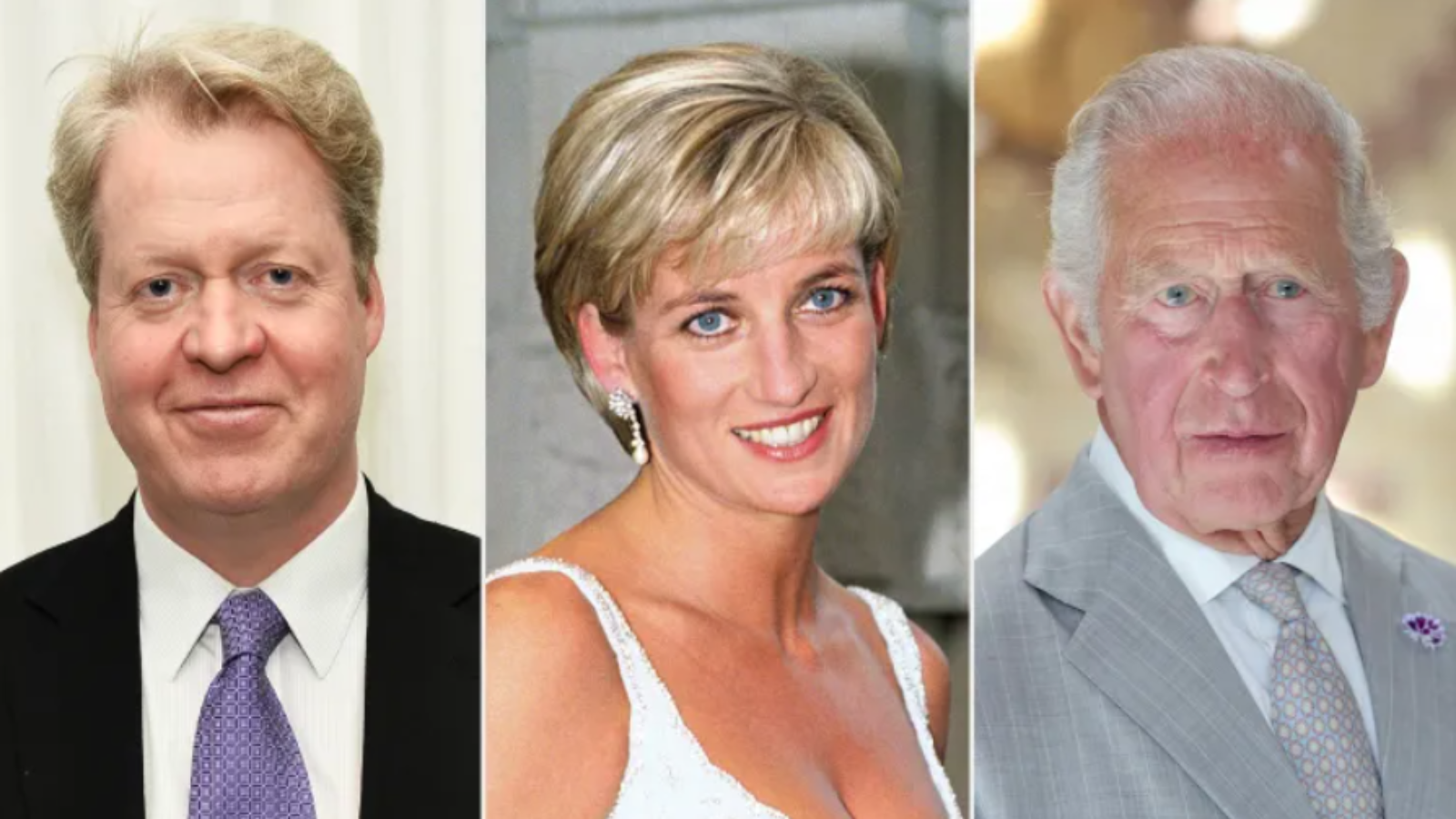
In his memoir, Earl Spencer vividly recalls the precise moment he learned of Queen Elizabeth II’s offer to restore his sister’s royal honorifics.
The exchange occurred aboard the Royal Train as the family traveled following the funeral service at Westminster Abbey. Sir Robert Fellowes, the Queen’s Private Secretary and married to Spencer and Diana’s older sister, Lady Jane Fellowes, approached Spencer.
Fellowes relayed a direct message from the monarch, saying Her Majesty wished to restore the HRH style to the late princess as an act of honor and reconciliation.
Despite acknowledging the monarch’s polite intention, Spencer felt an immediate wave of skepticism about the gesture’s timing.
Having delivered a legendary eulogy earlier that day, in which he openly criticized the media and hinted at the royal family’s cold treatment of his sister, Spencer believed accepting the posthumous title would betray Diana’s true feelings.
“I have just received a call from Her Majesty… and she would like to offer Diana her HRH title back.”
“That’s very kind of the Queen, of course. But what’s the point, Robert? Now? I mean, Diana’s dead. I felt in my bones how she would view this posthumous award.
The title should never have been removed during her life, in which case it would not have been necessary to offer it to her in death.”
Spencer describes the decision to strip Diana of her HRH status in 1996 as “petty and vindictive,” noting that his sister was “dreadfully hurt” by the formal stripping of her rank.
In his view, restoring the title only after her fatal car crash in Paris was an empty symbolic gesture that could not undo the pain she suffered while alive.
Deep Fractures and Explosive Allegations surrounding the Monarchy
The revelation about the HRH title is one of several explosive claims in Swan Song: Diana, My Sister.
Spencer’s book provides an intimate and at times harrowing portrait of Diana’s private struggles, alleging that she suffered severe mental anguish in her final years and drove herself to coastal cliffs at Beachy Head in East Sussex while contemplating suicide.
Furthermore, Spencer reflects heavily on the fractured relationship between Diana, himself, and the senior members of the royal family.
The Earl also takes aim at King Charles III, recounting tense phone conversations in the immediate aftermath of the tragedy. Spencer alleges that when Charles called to inform him of the fatal crash, the tone of the conversation felt strangely detached.
He writes that the then-Prince of Wales sounded “giddily elated” and like a “lottery winner” during their discussion, and alleges that Charles later made a dismissive comment about Diana’s legacy during a heated phone argument over funeral arrangements.
“Rest assured, we’ll forget her soon enough.”
Beyond his interactions with Charles, Spencer criticizes what he perceives as a profound “lack of obvious care” shown toward his young nephews, Prince William and Prince Harry, as they navigated the overwhelming public scrutiny surrounding their mother’s passing.
The memoir details heated debates behind palace doors over whether the young princes, then aged 15 and 12, should be made to walk behind their mother’s gun carriage during the public funeral procession through London.
Buckingham Palace Responds to the Bombshell Claims
The publication of excerpts from Spencer’s memoir has prompted an extraordinary and swift reaction from Buckingham Palace.
While the royal household traditionally maintains a strict policy of silence on unofficial books and personal memoirs, the severity of Spencer’s accusations led spokespersons for King Charles III to issue a rare official statement addressing the claims.
Rather than issuing a line-by-line denial of the specific events outlined in the book, the palace statement focused on the emotional state of a grieving brother, suggesting that decades-old memories can be heavily warped by long-standing trauma and deep sorrow.
“While we do not comment on books as a matter of principle, His Majesty is mindful that the pain of fraternal grief can cloud reason, affect judgment, and color memory in ways others do not recognize, even many years after such a loss.”
Despite the palace’s statement, royal observers note that Spencer’s book has reopened long-dormant debates regarding the monarchy’s handling of Princess Diana both before and after her death.
As the book’s full release approaches, the Earl’s account reminds readers of the enduring pain and unresolved tensions that linger beneath the surface of the British royal family.
Other Stories You Might Like
- Travis Kelce Recalls the Shocking Moment Taylor Swift Proved She Is Now an Absolute Football Expert: ‘What’d You Say, Sweetie?’
- Earl Spencer’s Explosive New Book Claims King Charles Said He’d ‘Forget Diana Soon Enough’ Days After Her Death
- Former ‘American Idol’ Contestant Caleb Flynn Texted Mistress He Was ‘Trying to Think of Ways to Kill’ Wife Before Her Murder, Prosecutors Allege
If you like what you just read, then subscribe to our newsletter and follow us on social media.