



The post 8 Dog Breeds That Can Be Surprisingly Difficult to Housebreak first appeared on Crafting Your Home.
Bringing home a new puppy is exciting until you discover another little accident on your freshly cleaned floor. You take your furry companion outside, wait patiently, and celebrate when everything goes according to plan. Then, just when you think they’ve figured it out, there’s another puddle waiting in the hallway.
While housebreaking can require patience with any dog, certain breeds have developed reputations for making the process particularly challenging. Some need extra supervision, others struggle to maintain their routine when the weather changes, and a few simply require plenty of repetition.
That doesn’t mean these dogs are impossible to train. Breed-care experts emphasize that consistent routines and positive reinforcement can make a difference. Here are eight breeds that may test your patience during housebreaking.
Italian Greyhound
With their elegant appearance and delicate build, Italian Greyhounds look like they’d be perfectly suited to a tidy, sophisticated home. Unfortunately, housebreaking one isn’t always as effortless as their graceful appearance might suggest.
According to Midwest Italian Greyhound Rescue, housetraining difficulties are a leading reason dogs enter its rescue program. One particular challenge involves unpleasant weather. Many Italian Greyhounds resist going outdoors when conditions are cold, rainy, snowy, or windy.
That can complicate a bathroom routine that seemed to be working perfectly on sunny days. However, the rescue organization emphasizes that successful housetraining is achievable with an appropriate approach.
Dachshund
Dachshunds may be small, but their housebreaking challenges can feel enormous when you’re cleaning up another unexpected accident. The breed has a documented reputation for needing extra patience during bathroom training.
According to Vetstreet’s Dachshund profile, housetraining can become especially challenging when the weather turns cold or rainy. A routine that works in pleasant weather may need extra attention when conditions change.
The Dachshund Club of America recommends gradually introducing crate training as part of the housebreaking process. Its guidance emphasizes comfortable surroundings, a gradual introduction, and rewards.
For owners, the important lesson is that consistency matters, even when the weather makes outdoor trips less appealing.
Bichon Frise
The Bichon Frise looks like a little cotton ball with legs, but don’t let that adorable appearance fool you into expecting effortless bathroom training. Vetstreet identifies housetraining as a common challenge associated with this breed.
Interestingly, Bichons can also be enthusiastic learners when it comes to tricks and other activities. That distinction matters because learning commands and developing dependable bathroom habits aren’t necessarily the same thing.
The Bichon Frise Club of America recommends establishing a daily routine and using positive reinforcement. Praise and small rewards after successful outdoor bathroom trips can help reinforce the desired behavior.
Havanese
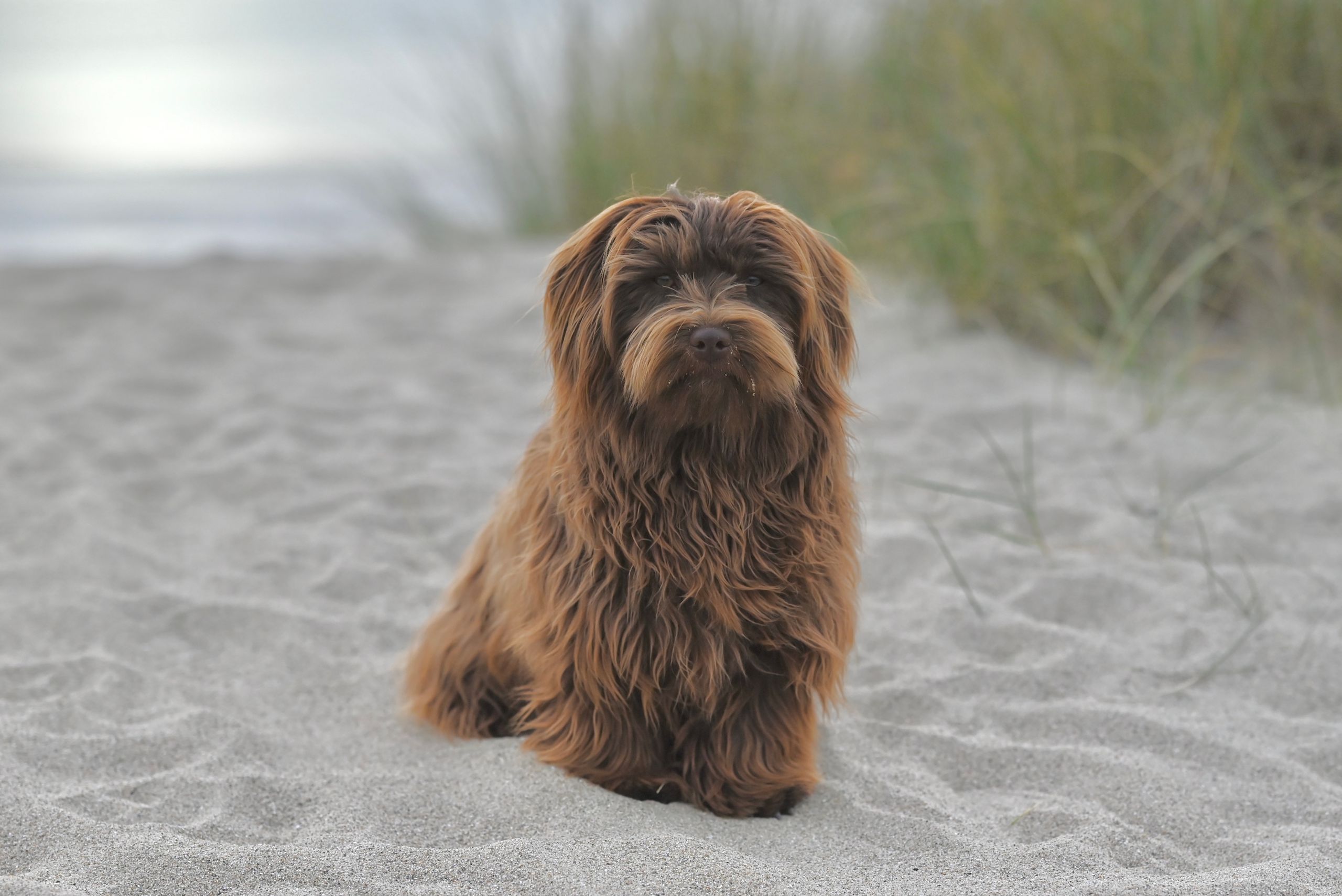
Havanese dogs are charming little companions, but their housetraining routine can require more supervision than some new owners expect. According to Vetstreet, Havanese aren’t always easy to housebreak.
One practical challenge involves giving puppies too much freedom around the house before they’ve developed reliable habits. When a puppy can wander through several rooms unnoticed, bathroom accidents may happen without the owner realizing what’s going on.
Vetstreet recommends consistency and close supervision during the learning process. Rather than expecting a puppy to understand the rules immediately, owners can focus on creating a manageable routine and gradually allowing more independence.
Miniature Pinscher
Miniature Pinschers may come in a small package, but bathroom training can still become a surprisingly demanding household project. Vetstreet describes the breed as potentially difficult to housetrain and recommends beginning the process as soon as the puppy arrives home.
The emphasis is on early training rather than waiting for unwanted habits to disappear with maturity. Giving the puppy regular opportunities to follow the expected bathroom routine also matters.
Although Miniature Pinschers are sometimes described as assertive, that doesn’t prove their personality causes housebreaking difficulties. A more useful approach is to focus on consistent expectations, supervision, and reducing opportunities for indoor accidents.
Silky Terrier
With their flowing coats and stylish appearance, Silky Terriers certainly know how to make an impression. But when it comes to housebreaking, their owners may need to prepare for plenty of repetition. According to Vetstreet’s Silky Terrier profile, housetraining can be challenging, particularly without a consistent routine.
The publication recommends starting training when the puppy first comes home. Repetition is an important part of the process, helping establish a familiar pattern for bathroom breaks.
Fortunately, the guidance also makes clear that successful housetraining is possible. The key isn’t expecting immediate perfection. It’s maintaining the routine long enough for dependable habits to develop.
Papillon
Papillons are known for their distinctive butterfly-like ears and ability to learn, but their intelligence doesn’t automatically make housebreaking simple. Vetstreet notes that this breed may experience housetraining difficulties despite being capable learners.
Its recommendations include frequent outdoor bathroom opportunities, generous praise, and close supervision. The publication also advises against punishing accidents.
This highlights an important distinction: a dog that learns tricks quickly may still need considerable practice developing reliable household bathroom habits. For Papillon owners, a patient approach with repeated opportunities to succeed can be more useful than expecting quick results simply because the dog learns other things easily.
Pug
Pugs have plenty of personality, and their expressive faces make them difficult to resist. Unfortunately, their reputation for challenging housetraining can catch some owners by surprise. According to Vetstreet’s Pug profile, the breed may require additional patience when learning appropriate bathroom habits.
One recommendation is to learn the dog’s body language. Recognizing when a Pug needs an outdoor bathroom break can help owners respond before an accident occurs.
Vetstreet also recommends starting training when the puppy first arrives rather than postponing the process. The important point is that a reputation for difficult housetraining doesn’t mean Pugs cannot learn.
The Secret Is Consistency, Not Finding a Perfect Breed
Housebreaking challenges can be frustrating, especially when your puppy seems to understand the routine one day and forget it the next. However, none of these eight breeds is incapable of learning appropriate bathroom habits.
The American Kennel Club’s housetraining guidance emphasizes predictable schedules, supervision, and positive reinforcement. Breed reputation can help prospective owners prepare, but it doesn’t determine how every individual dog will behave.
Some puppies learn quickly, while others require more repetition and patience. Ultimately, a dependable routine and realistic expectations can make the training experience easier to manage.
Have you ever owned a dog that seemed determined to turn housebreaking into a never-ending project?
If you like what you just read, then subscribe to our newsletter and follow us on social media.


