Countries Where Religion and Politics Are Inseparable: 10 Powerful Case Studies We Can’t Ignore
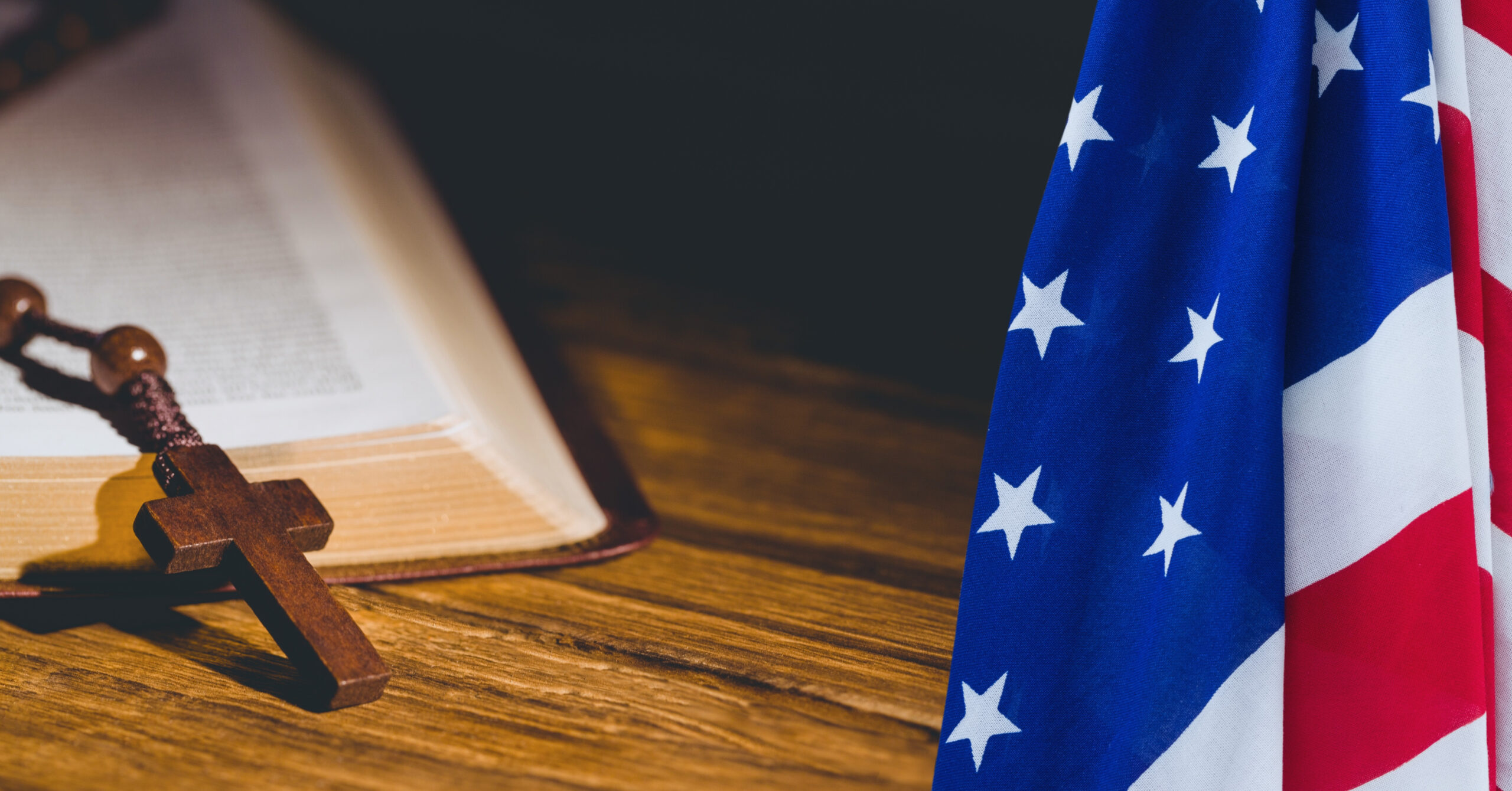
In many states, religion is more than personal belief; it is the backbone of law, identity, legitimacy, and political power. When religious authority becomes a governing authority (or when the state actively enforces religious doctrine), the boundary between faith and public policy dissolves.
In these systems, leaders often draw power from sacred narratives, courts enforce religious rules, and citizenship itself may be tied to religious identity.
Saudi Arabia
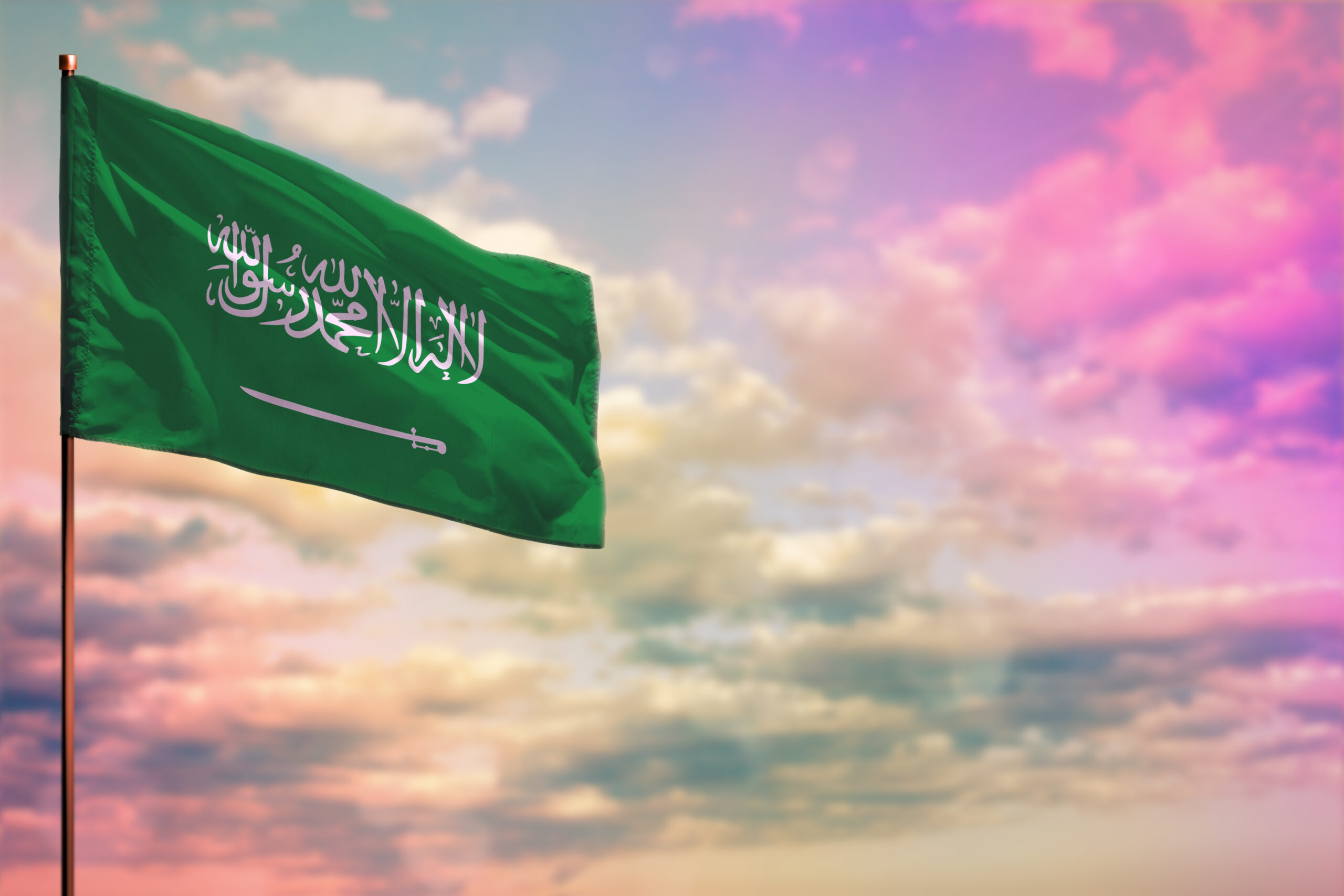
How religion shapes the Saudi state
- Core legal foundation: Governance draws directly from the Qur’an and Sunnah, making religious doctrine central to lawmaking and judicial interpretation.
- Religious legitimacy: The monarchy maintains authority through religious legitimacy, reinforced by institutional religious leadership and clerical influence.
- Public morality regulation: Social norms, public behavior, and cultural boundaries are often justified through religious standards, shaping everyday life and state expectations.
Visible political impacts
- Religious values directly influence education policy, family law, public conduct rules, and the boundaries of speech and expression, especially where religion-related topics are involved.
Iran
The structure of religious rule
- Supreme religious authority: The Supreme Leader sits above the presidency, parliament, and judiciary in practice.
- Religious gatekeeping institutions: Legal and political outcomes are heavily filtered through bodies shaped by Islamic jurisprudence.
- Sharia-based governance: Religious doctrine deeply influences criminal justice, personal status law, and cultural regulations.
Why politics cannot detach from religion
Afghanistan
Where religion dominates governance
- Legal foundation: Religious doctrine informs judicial decisions and legal norms.
- Public compliance enforcement: Rules can extend into dress, gender interaction, education, and media standards.
- Religious justification of authority: Political leadership often frames its legitimacy in explicitly religious terms, leaving little room for secular political pluralism.
The practical outcome
Pakistan
Core religious-state features
- Islam as state religion: The constitution formally defines Pakistan’s Islamic character.
- Eligibility tied to religion: Top political leadership roles are restricted by religious requirements.
- Institutional Sharia review: State bodies exist specifically to evaluate whether legislation aligns with Islamic principles.
Political realities on the ground
- national lawmaking debates,
- blasphemy-related enforcement culture,
- education frameworks,
- and public morality narratives used by political movements.
Israel
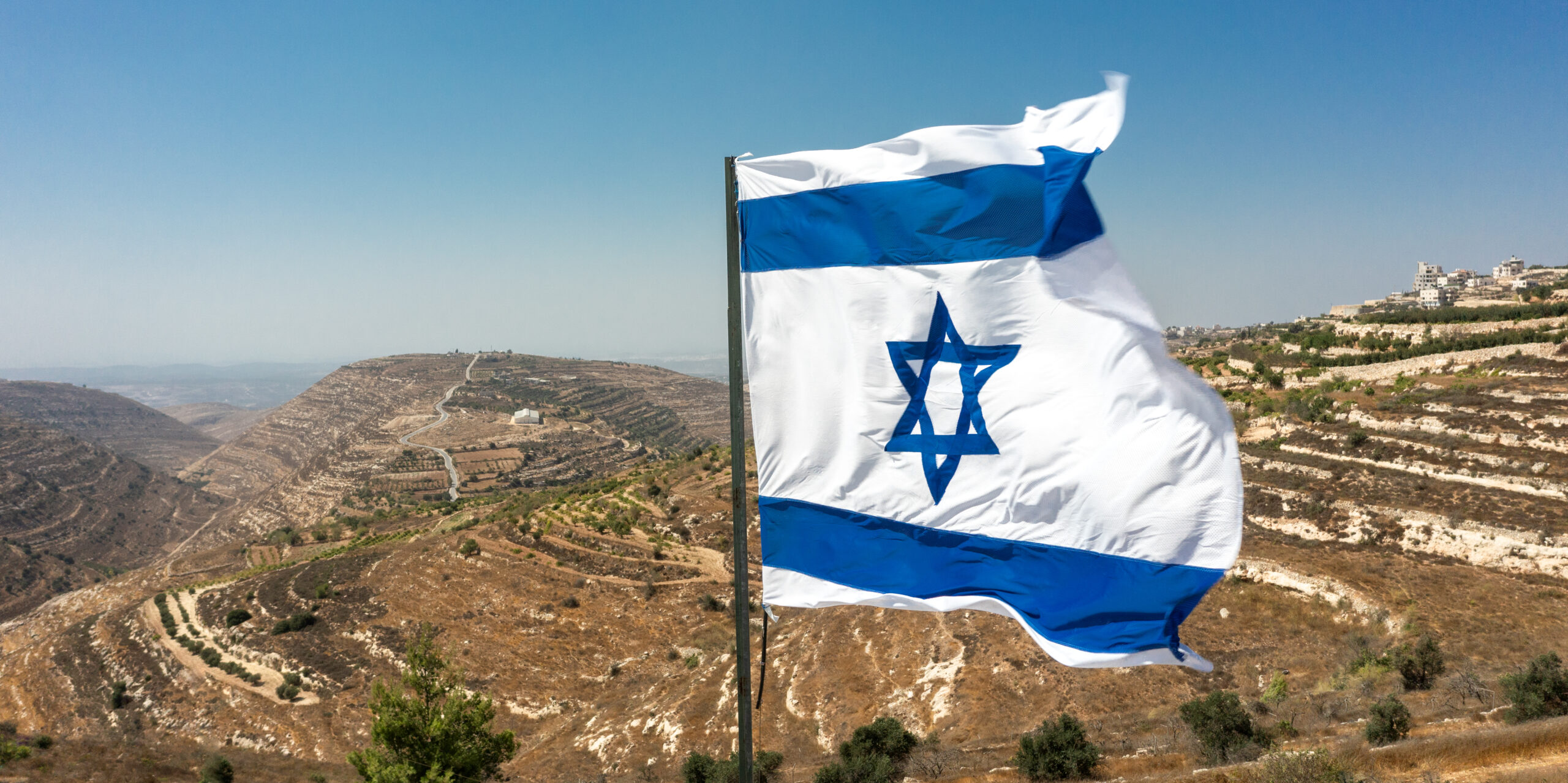
How religion enters law and governance
- Religious authorities in family law: Marriage, divorce, and other personal status issues are strongly influenced by religious institutions.
- Political parties built on religious platforms: Religion-based parties routinely shape coalition governments and national policy priorities.
- Public policy shaped by religious debates: Issues such as Sabbath regulations, education models, and identity-based laws remain politically central.
Why separation is difficult
Vatican City
What makes Vatican City unique
- The head of state is a religious leader: the Pope’s authority is both spiritual and political.
- Institutional governance is ecclesiastical: The state’s leadership and administration function within a religious hierarchy.
- Law and identity are inseparable: The state’s legitimacy exists because of religious authority, not alongside it.
The essential takeaway
Brunei
Where religion becomes law
- Sharia-based penal framework: Religious law shapes criminal enforcement and public standards.
- Centralized religious authority: The monarch’s authority spans political and religious governance.
- Societal regulation: The legal system reinforces moral rules that extend into personal behavior and community norms.
Political consequences
Maldives
Key pillars of religious-state fusion
- Citizenship restrictions: National belonging is tied to being Muslim, blending religion with legal identity.
- Law shaped by Islamic doctrine: Religious principles influence governance, particularly in personal status matters.
- Religious education and monitoring: The state can regulate religious messaging to maintain doctrinal consistency.
Why politics cannot separate from faith
Bhutan
The political role of Buddhism in Bhutan
- Spiritual-national identity: Buddhism shapes cultural legitimacy and public values.
- State-supported religious institutions: Monastic communities wield significant influence and receive substantial support.
- Policy philosophy rooted in religion: Governance priorities are framed through Buddhist ethics, including wellbeing-centered development models.
The governing effect
Somalia
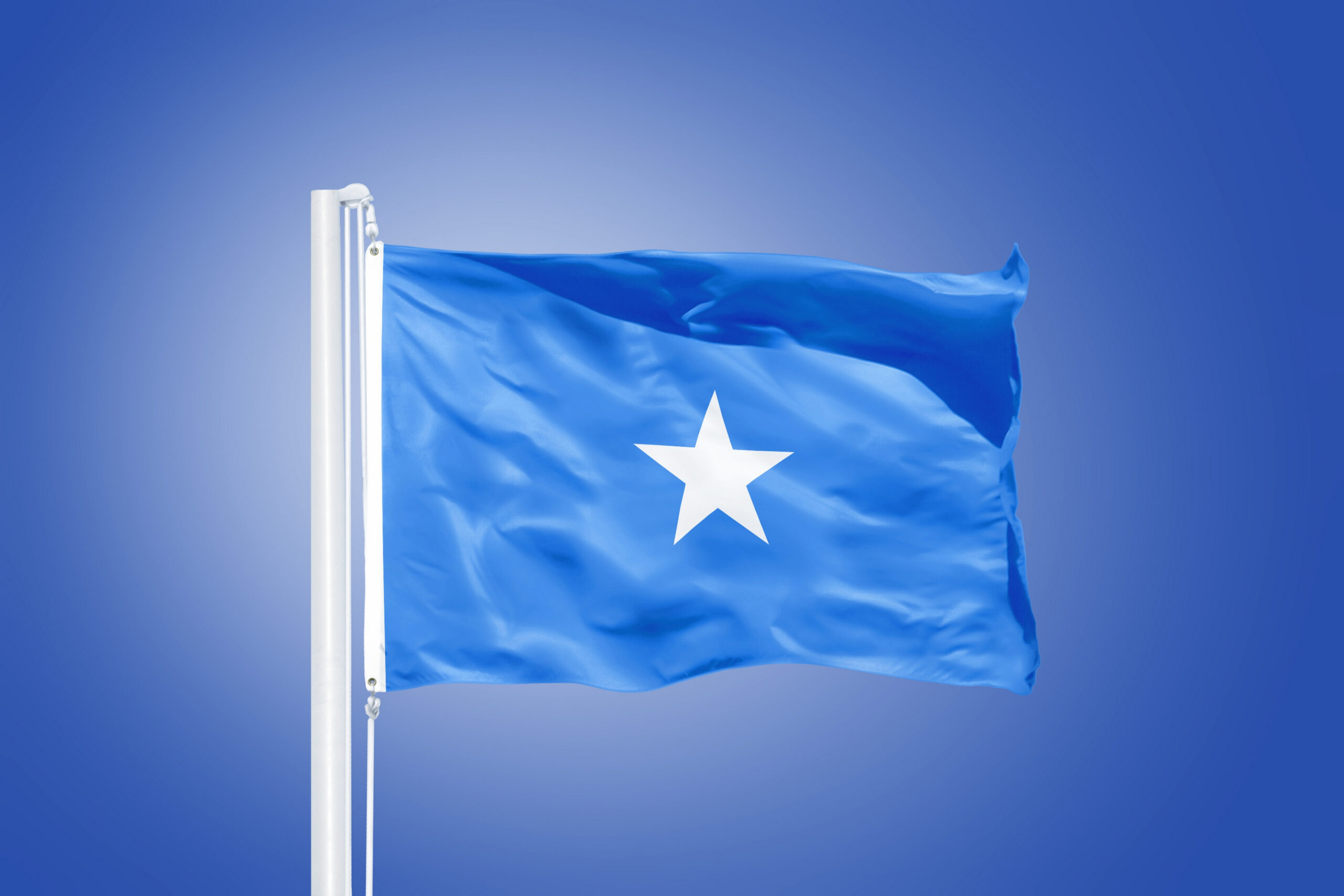
How religion and politics merge in Somalia
- Constitutional Sharia primacy: Laws are expected to align with Islamic principles.
- Sharia courts alongside civil courts: Religious adjudication plays a major role, especially in family and community disputes.
- Non-state enforcement: Militant groups have imposed extreme interpretations of Sharia in areas they control.
The real-world impact
Common Patterns We See Across These Countries
Religious courts or religious oversight bodies
- criminal enforcement,
- family law,
- inheritance,
- and free expression boundaries.
Citizenship and identity laws tied to faith
- minorities,
- converts,
- interfaith families,
- and political pluralism.
Religious legitimacy as political currency
Conclusion
When religion and politics are inseparable, governance becomes more than administration; it becomes moral authority, sacred legitimacy, and identity enforcement.
Across monarchies, republics, fragile states, and formal theocracies, we see the same reality: religion is not simply present in politics; it is part of the state’s operating system.
If we want to understand law, power, rights, education, and national identity in these countries, we must read political decisions through the religious structures that shape them.