Cooking methods that can strain kidney health

You might be cooking healthy foods, but the way you prepare them could be working against your kidneys.
We often view cooking as a way to care for friends and family by sharing a hot meal. While we obsess over buying organic produce or grass-fed beef, we rarely stop to consider whether our actual cooking techniques are sabotaging our health. The way you prepare your meals can be just as critical as the ingredients you choose, potentially turning healthy food into a burden on your kidneys.
Your kidneys are the body’s filtration plant, tirelessly working to balance fluids and remove toxins from your blood. When we cook foods at high temperatures or use heavy preservatives, we can inadvertently increase the workload on these vital organs. According to the Centers for Disease Control and Prevention (CDC), an estimated 35.5 million adults in the United States have chronic kidney disease, meaning protecting these organs is an urgent priority.
Deep Frying Foods

Dropping chicken or potatoes into a vat of bubbling oil might taste like heaven, but it creates a chemical storm that your body must manage. The process of deep frying produces oxidation products and increases inflammation, which, over time, strains the kidneys’ filtration capacity. It is a culinary habit that can cost you much more than just the price of the oil.
The link between these crispy treats and renal health is becoming increasingly clear through scientific observation. A study published in the journal Nutrients found that frequent consumption of fried foods was associated with a 46% higher risk of developing chronic kidney disease. Treating fried food as a rare treat rather than a staple is a necessary investment in your long-term vitality.
Charring And Grilling
There is something primal and satisfying about cooking over an open flame, but those dark char marks come with a hidden cost. Cooking animal products at high, dry heat can produce harmful compounds that may accumulate in the body. In general, dry-heat cooking methods tend to create more of these compounds than gentler, water-based methods like steaming.
Your kidneys are responsible for filtering out these toxins, and overloading them can accelerate tissue damage. It is like forcing your body to focus all its effort on cleaning up a mess that could have been avoided. Lowering the heat or using marinades can help reduce the formation of these compounds, offering a simple way to protect your system.
Curing And Smoking
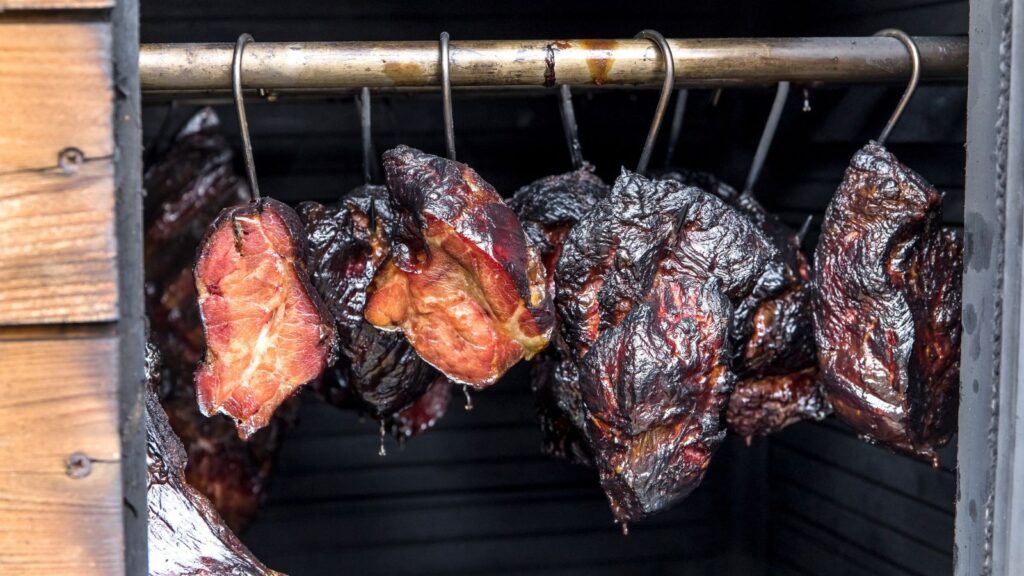
Preserving meat through smoking or curing is an ancient tradition, but it relies heavily on salt and nitrates to prevent spoilage. These additives can put extra stress on the kidneys as they work to manage excess sodium and maintain proper fluid balance. Diets high in cured meats are often linked to increased strain on blood pressure and kidney function.
High blood pressure is a leading cause of kidney failure, making these salty foods a risky dietary choice. Think of reducing your intake of bacon and ham as a way to protect your blood vessels and long-term health. You can still enjoy flavor by using herbs and spices instead of relying on the salt shaker.
Heavy Roasting Without Boiling
Roasting vegetables and meats concentrates flavors, but it also locks in minerals like potassium and phosphorus. For individuals with compromised kidney function, regulating these minerals is a matter of life and death. A study in the Journal of Renal Nutrition showed that boiling potatoes and vegetables reduces their potassium content by up to 50%, making cooking a significantly safer method than roasting for kidney patients.
If you toss everything into a roasting pan, you might be consuming far more minerals than your kidneys can handle. This is especially true for root vegetables, which are naturally high in potassium. Choosing to boil or leach your vegetables before cooking them is a practical gift you can give to your renal health.
Pan Frying Red Meat
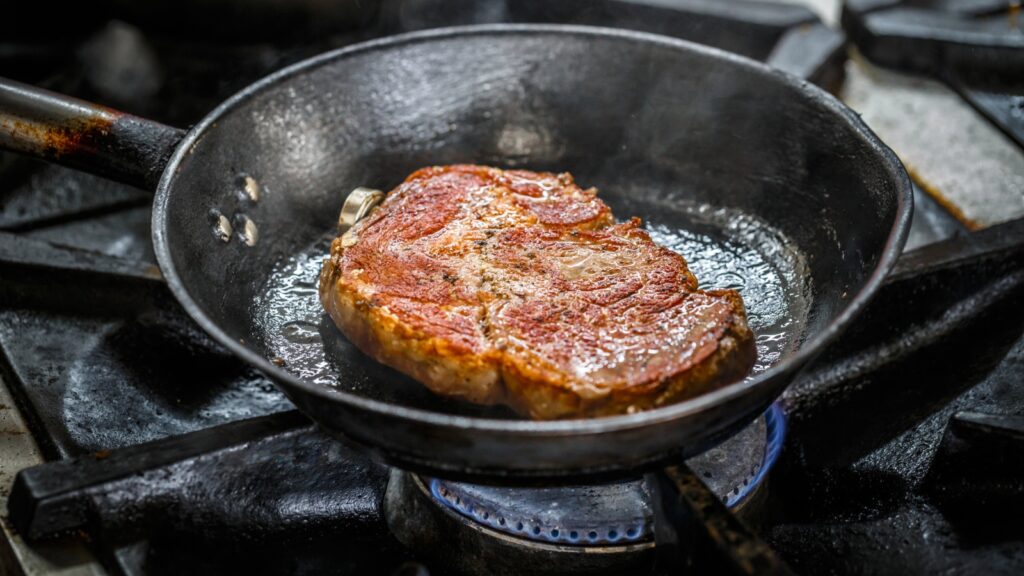
Searing a steak in a hot pan creates a delicious crust, but high consumption of red meat cooked this way is linked to renal decline. The combination of saturated fat, acid load, and uremic toxins generated during high-heat cooking creates a perfect storm for kidney stress. The Singapore Chinese Health Study found that participants with the highest intake of red meat had a 40% increased risk of end-stage renal disease (ESRD) compared to those with the lowest intake.
This method often leaves the meat high in acidity, which the kidneys must neutralize by pulling calcium from your bones or working harder to excrete acid. It is an expensive metabolic transaction that depletes your body’s resources. Spending your money on plant-based proteins or on fish, and cooking them gently, can drastically reduce this acid load.
Key Takeaway

Understanding the connection between your kitchen habits and your internal health is the first step toward better longevity. Minor adjustments, such as turning down the heat or swapping the fryer for a steamer, can drastically reduce the stress on your kidneys. It does not require a complete overhaul of your life, just a shift in perspective.
View these changes as a way to support your body’s nutritional needs and overall health. By avoiding these harsh cooking methods, you ensure that your kidneys can keep filtering effectively for decades to come. Your future self will thank you for making these smarter, gentler culinary choices today.
Read the original article on Crafting Your Home.