Common Superstitions That People Still Believe Are Facts

Image Credit: Andrea Piacquadio/Pexels
Superstitions have permeated cultures worldwide, becoming deeply ingrained beliefs passed down through generations. Despite the growing body of scientific evidence debunking these myths, many people continue to follow these practices, convinced that they hold some basis in fact.
Here are some superstitions that have survived the test of time and continue to influence people’s daily lives.
Writing Names in Red Ink Shortens Life
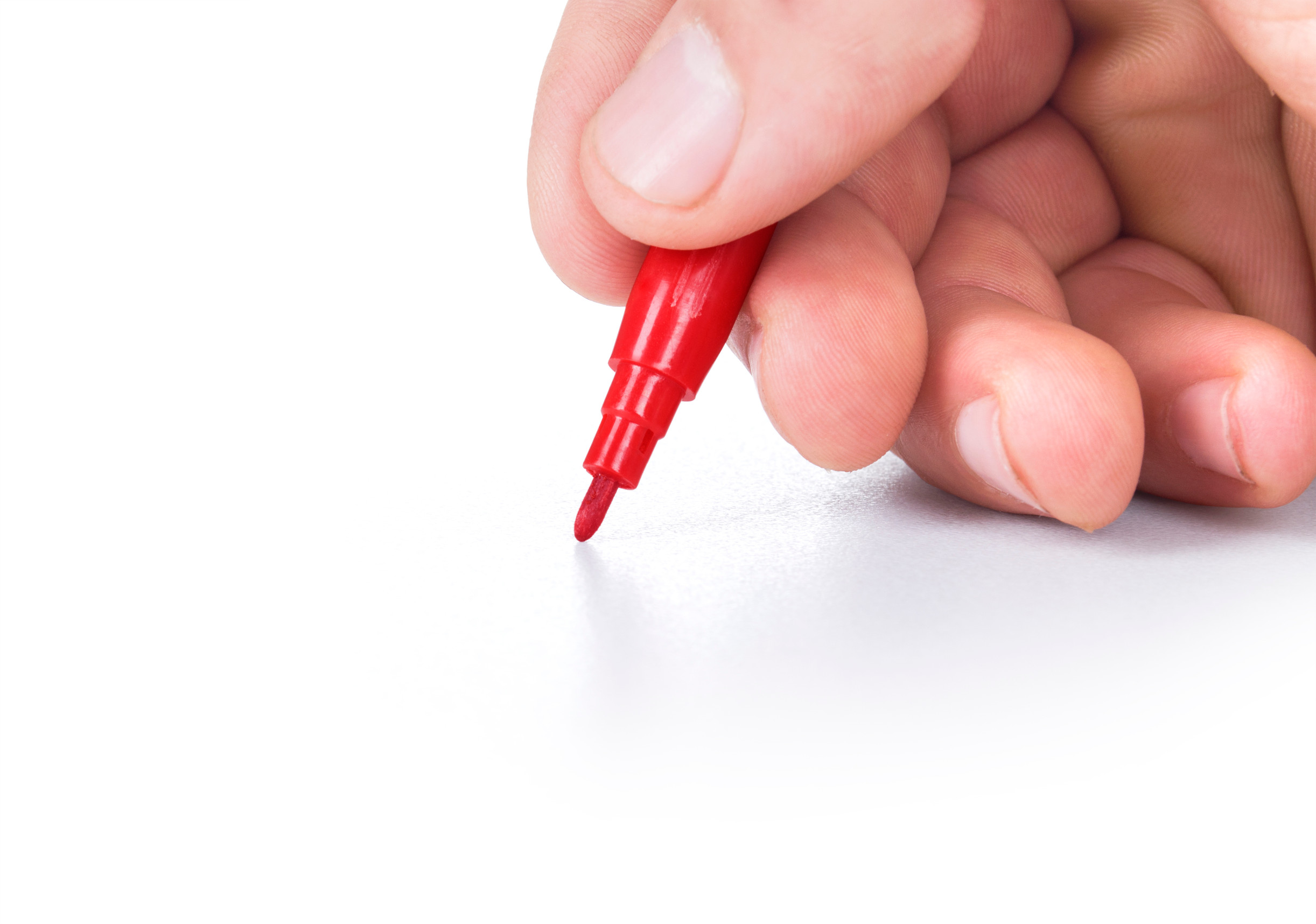
In South Korea, it’s believed that writing someone’s name in red ink can shorten their lifespan. This superstition originated in ancient funeral customs, in which the names of the deceased were written in red. Over time, this practice evolved into a societal norm, with many people avoiding red ink at all costs.
Some even feel physical discomfort or anxiety when their names are written in red, convinced that it has dire consequences on their health. This superstition is so powerful that some schools and businesses have rules against writing names in red ink.
The Peril of Sleeping with a Fan On
In South Korea, the belief that sleeping with a fan running in a closed room can cause death, referred to as “fan death,” remains a deeply held superstition. The origins of this belief are unclear, but it has become so widespread that many fans sold in the country come equipped with automatic timers to prevent them from running overnight.
Proponents claim that fans drain the room of oxygen or cause hypothermia. Despite numerous studies debunking these theories, fan death continues to be reported as a real threat in the media, often leaving people anxious about the safety of their nightly routines.
Chewing Gum Turns Into Dead Flesh

A bizarre superstition in Turkey warns that chewing gum at night can transform it into dead flesh. This superstition, although highly peculiar, is taken seriously by many. Parents caution their children against chewing gum after dark, believing that it somehow affects digestion or health.
However, the process by which gum is digested is the same at any hour of the day. This curious belief seems to stem from an old folk tale but has taken on a life of its own as a health concern.
Mirrors Facing Each Other Invite Evil Spirits
An eerie superstition rooted in Mexican folklore posits that placing two mirrors opposite each other creates a “portal” for demonic spirits to enter your home. Many people avoid arranging mirrors this way, convinced that it attracts negative energy or even the devil himself.
Some individuals have even reported seeing ghostly images in the “mirror portals,” reinforcing the belief that these arrangements are supernatural. While there is no scientific basis for this belief, it persists in certain cultures as a way to explain inexplicable phenomena.
Sweeping on New Year’s Day Brings Bad Luck
In countries like Vietnam, sweeping on New Year’s Day is believed to sweep away not just dirt, but also good fortune. This superstition is powerful during the Lunar New Year, when every action is seen as a reflection of how the year will unfold.
Sweeping, cleaning, or doing chores on this day is thought to disturb the flow of prosperity and is avoided at all costs. The superstition underscores the importance of starting the year with a clean slate, both literally and figuratively.
Itchy Palms Predict Financial Fate
Across various cultures, from the Caribbean to Turkey, an itchy palm is seen as a sign of an impending financial change. An itchy left palm signals that money will be lost, while an itchy right palm is a sign that money is coming your way.
This superstition has gained such a following that some people make significant financial decisions based on the state of their palms, even though it is entirely coincidental. The belief has permeated daily life so profoundly that it’s not uncommon for someone to comment on the state of their palms during conversations about money.
Birthday Candle Wishes Are More Than Just a Tradition

In many cultures, blowing out birthday candles while making a wish is considered a crucial step in ensuring that the wish comes true. The superstition even dictates that the wish must be made while blowing out all the candles in one breath, and telling anyone your wish will cancel its effectiveness.
This “candle protocol” is taken so seriously that it has become a central part of birthday celebrations for many, regardless of age or education level.
Conclusion
Superstitions are a fascinating aspect of human culture. Despite scientific advancements and rational explanations, many of these beliefs continue to hold sway over people’s lives.
These superstitions show just how powerful beliefs can be, even when they are not grounded in reality. Understanding their origins and why they persist is key to unraveling how folklore and myth continue to influence societies around the world.