


Charlotte Youth Crime Warning: CMPD Puts Parents on Notice Over Summer Curfew Violations. CMPD is warning Charlotte parents that summer youth crime, teen takeovers, and curfew violations could bring consequences for minors and adults alike.
Charlotte’s Summer Problem Is No Longer Just Teenagers Acting Wild

Charlotte has entered the part of summer that many American parents recognize too well. School is out. The days are longer. The nights feel loose. Teenagers want freedom, parents are tired, and public spaces begin filling with young people who often have no real plan, no adult supervision, and no clear way home. That is where the problem begins.
The Charlotte Mecklenburg Police Department is now warning parents to know where their children are before the phone call comes from an officer.
The warning is direct because the situation has become too familiar: large groups of teens gathering in public places, businesses getting disrupted, families pretending they did not know, and police left to clean up the consequences after the damage is already done.
This is not just about a child missing curfew by a few minutes.
It is about a bigger breakdown that many Americans can recognize in their own cities. Public parks no longer feel calm after dark. Shopping centers become gathering zones. Business owners worry about crowds they cannot control. Parents wonder whether it is still safe to let younger children walk through areas that once felt harmless.
Charlotte’s summer youth crime warning lands with force because it speaks to a fear that has become painfully common across the country: too many adults have lost track of their own children, and everyone else is being forced to live with the results.
CMPD’s Message to Parents Is Blunt: Your Child’s Night Out Can Become Your Court Date
Police are no longer treating this as only a teenage discipline issue. CMPD is warning that parents and guardians can face consequences if their children repeatedly violate Charlotte’s curfew rules. That is the part that should stop families cold.
Under Charlotte’s Youth Protection Ordinance, children under 13 cannot be in public places or businesses from 10 p.m. until 6 a.m. Teens ages 13 to 15 cannot be in those places from 11 p.m. until 6 a.m. unless they qualify for a specific exception.
Those exceptions include being with a parent, going to or from work, attending certain approved activities, responding to an emergency, or exercising protected rights. The rule is not complicated. If a child is too young to be out, they should not be roaming public places late at night.
If a parent knowingly allows it, the issue can move from bad parenting to legal trouble.
That is the uncomfortable truth behind CMPD’s warning. The city is telling families that summer freedom is not a free pass. A teenager’s late night behavior can create consequences that follow the whole household.
The Curfew Is Simple, but the excuses are endless.
Every city with a curfew knows the excuses. “They were just with friends. ”They said they were coming home. ”I thought another parent was watching them. ”They were only at the park. “They were only hanging out. ”They were not doing anything wrong.”
Those excuses collapse quickly when a crowd turns violent, a fight starts, a gun appears, a business calls police, or a child ends up in the back of a patrol car. Charlotte’s curfew does not exist because every teenager outside after dark is dangerous. It exists because unsupervised minors in large late night groups create risk.
One loud argument can pull in dozens of bystanders. One social media post can send a crowd to a business district. One reckless friend can drag other teens into a situation they do not know how to escape. For parents, the warning is painfully practical. “Where are you?” is no longer enough. “Who are you with?” is no longer enough.
A real safety plan requires names, addresses, transportation, a return time, and consequences when a child lies. American parents do not need a lecture to understand this. They need to hear the truth plainly: a vague answer from a teenager can become a real emergency before midnight.
Teen Takeovers Are Turning Public Spaces Into Pressure Cookers
The phrase “teen takeover” sounds casual until people see what it means on the ground.
It can mean hundreds of young people flooding a public area with no central organizer, no supervision, and no clear purpose. It can mean businesses watching crowds form outside their doors while customers decide to leave.
It can mean police trying to separate teens who are laughing, filming, arguing, running, shoving, or refusing to move. It can also mean fear. A family out for dinner should not have to wonder whether a crowd outside will turn violent. A worker closing a business should not have to walk through a group of unsupervised teens blocking the area.
A parent with small children should not have to scan every exit because a public place suddenly feels unstable. Charlotte is not alone in facing this kind of disorder. Across America, cities have watched social media transform teenage boredom into public disruption. A post goes up. A location spreads. Dozens become hundreds.
The crowd becomes the event. Then, when something goes wrong, everyone acts shocked.
But there is nothing shocking about predictable chaos. When large groups of minors gather late at night without adult supervision, the city is already gambling.
The Worst Part Is How Normal This Has Started to Feel
The most disturbing part of Charlotte’s warning is not the curfew itself. It is a fact that the warning is necessary. A generation ago, many parents would have considered it unthinkable for a 12 year old or 14 year old to be wandering around public spaces late at night without a clear reason.
Now, police have to remind families that children should not be out past 10 or 11 p.m., as if this were controversial. That is the cultural failure underneath the crime statistics. Too many children have phones but no boundaries. Too many homes have rules that disappear when enforcement becomes inconvenient.
Too many parents do not want conflict with their teens, so they avoid asking hard questions until police, schools, courts, or victims force the conversation. This is where many Americans feel the story personally. It is not only a Charlotte story. It is the story of neighborhoods where adults no longer know the teenagers walking around after dark.
It is the story of malls hiring more security. It is the story of downtown areas losing family traffic after sunset. It is the story of parents who want to believe their child is “not like that” until their child is standing in the middle of exactly that.
The collapse does not happen all at once. It happens through small permissions, ignored warnings, missing consequences, and the quiet surrender of adult authority.
Crime May Be Down, but Fear Does Not Follow a Spreadsheet
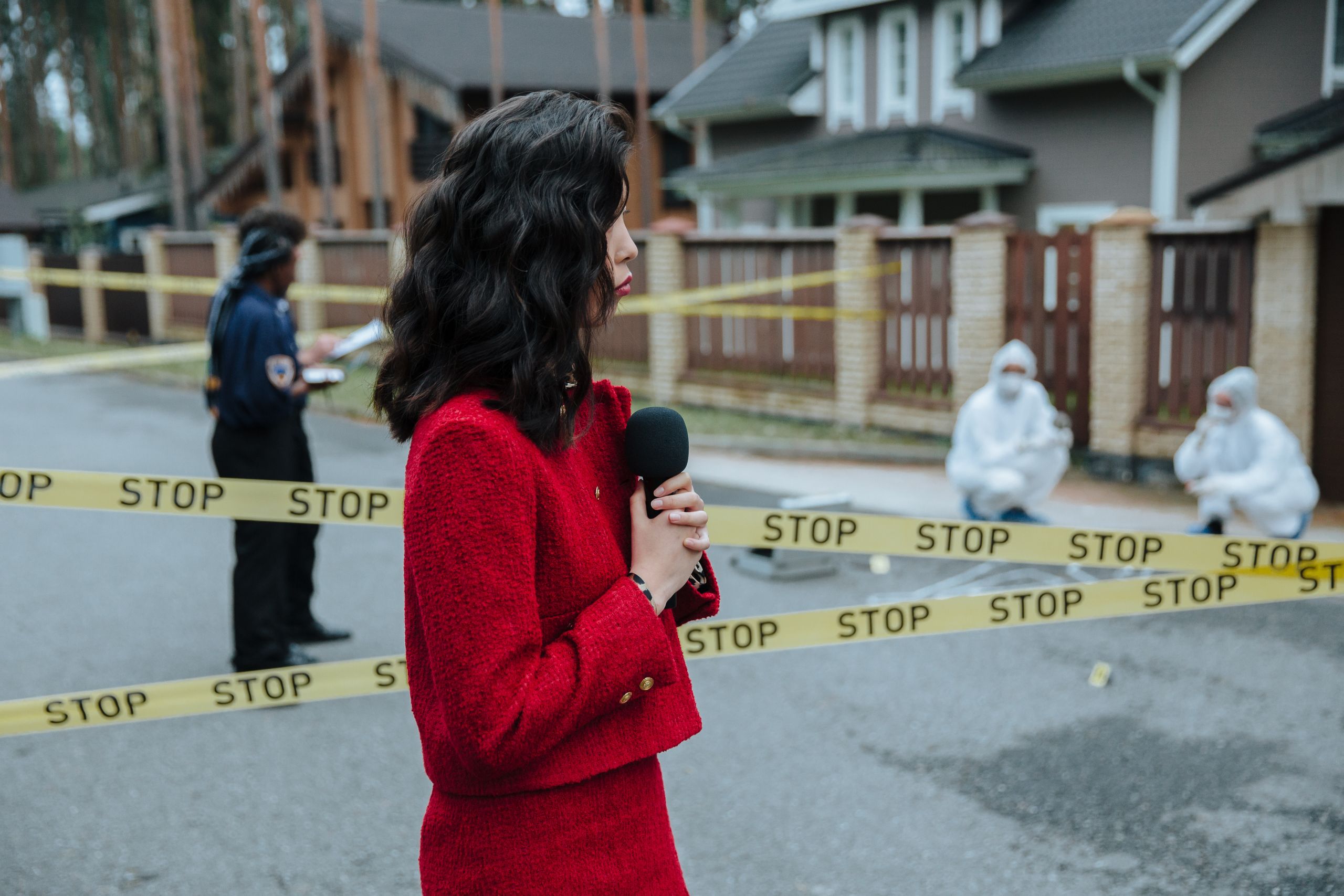
CMPD has reported encouraging drops in several crime categories. Overall, crime has fallen in recent reporting periods, and juvenile suspect incidents declined in 2025. Those numbers matter, and they should not be ignored. But numbers do not erase what people feel when public spaces turn tense.
A city can report lower overall crime and still have residents afraid of the wrong places at the wrong times. A police department can point to reductions, while families still avoid certain areas after dark. A business district can look safe at noon and feel completely different when a large unsupervised crowd appears at night.
That is why the homicide increase in CMPD’s first quarter 2026 data matters so much. Even when broader crime trends improve, deadly violence can dominate public perception because people understand one thing clearly: one violent night is enough to destroy a family. Parents do not think in percentages when their child is late coming home.
Business owners do not think in charts when crowds block their storefronts. Residents do not think of annual reports when they hear sirens outside. Public safety is not only about whether crime is statistically lower. It is about whether ordinary people can live, work, shop, walk, and raise children without feeling like the streets are slipping out of control.
Parents Cannot Outsource Discipline to Police.
The harshest truth in this entire debate is that police cannot raise children. Officers can enforce curfews. They can break up crowds. They can issue citations. They can make arrests. They can knock on doors and warn parents. They can connect families with diversion programs. But they cannot replace the daily discipline that should already exist at home.
A parent is supposed to know whether a 13 year old is out after 11 p.m. A guardian is supposed to know who is driving their child around. An adult is supposed to know whether a teenager is slipping out, lying about plans, carrying weapons, or running with people who bring trouble everywhere they go.
When that does not happen, police become the last line of defense. By then, the situation is already more dangerous, more public, and more expensive for everyone. This is why CMPD’s warning feels severe. It is telling parents that they do not get to disappear from the story. If a child is repeatedly violating curfew, the household must answer for that.
If a minor is helping create disorder, the family cannot shrug and call it teenage behavior.
America has spent years softening the language around youth disorder. But the victims of that disorder do not experience it softly.
A Child’s First Bad Crowd Can Become a Criminal Record
Many teenagers do not understand how fast a night can turn. They think they are only going to hang out. They think they can leave before trouble starts. They think recording a fight is harmless. They think riding in a stolen car is not the same as stealing it. They think carrying a gun makes them safer. They think the police will not know who was involved.
Then the night changes. Someone gets punched. Someone pulls a weapon. Someone steals from a business. Someone runs. Someone posts the video. Someone identifies faces. Someone gives names. Suddenly, “just hanging out” becomes evidence. This is where parents need to stop lying to themselves.
A child does not have to be the worst person in the crowd to suffer serious consequences. Being present in the wrong place, with the wrong people, at the wrong time can be enough to change everything.
Curfew enforcement is not only punishment. It is an attempt to drag young people out of dangerous settings before they make adult sized mistakes with child sized judgment.
The Social Media Factor Makes Everything Worse
Parents who still think youth crime works the way it did 30 years ago are dangerously behind. Teenagers no longer need a phone tree, a school hallway rumor, or a neighborhood connection to create a crowd. One post can spread a location. One video can make disorder look exciting. One fight can become entertainment.
One reckless act can be copied by teens who want attention more than safety. Social media rewards spectacle. It does not reward wisdom. It does not care whether a teenager gets arrested, injured, expelled, or killed. It only rewards the moment people keep watching. That is why large youth gatherings can escalate so quickly.
The crowd is not always there for friendship. Sometimes it is there for content. The phone becomes gasoline. The audience becomes pressured. The teenager who might have walked away now performs for a screen. Parents cannot afford to be passive about this. A teenager’s digital life is often the map to their real world behavior.
Group chats, location tags, posts, videos, and messages can show where a child is going long before police lights appear. Ignoring the phone while worrying about the street makes no sense. For many teens, the street begins on the phone.
CMPD’s Youth Programs Are Useful, but They Cannot Fix a Broken Home Alone
Charlotte does have youth intervention and diversion programs. CMPD’s JADE team works with juveniles and families to reduce repeat involvement in crime. Youth diversion efforts can help some first time offenders avoid deeper justice system involvement when they complete the required steps. Those programs matter.
They can redirect a teenager before the system swallows them. They can connect families to resources. They can provide structure where none exists. But they are not magic. A program cannot do everything a parent refuses to do. A mentor cannot undo months of ignored curfew violations in one meeting.
A diversion class cannot compete with a friend group that rewards violence, theft, disrespect, and chaos every night. Community support works best when families take it seriously. It fails when parents treat it as a way to avoid embarrassment rather than a chance to change behavior.
The city can offer help. Police can offer intervention. Courts can offer alternatives. But the home still has to become a place where rules mean something.
Charlotte’s Warning Should Hit Every American City
Charlotte’s summer curfew warning is local, but the message is national. American cities are struggling with the same ugly pattern: young people gathering in large groups, social media fueling chaos, businesses bracing for disruption, police stretched thin, and parents acting surprised when officers finally bring their children home. This is not sustainable.
Public spaces cannot function if families surrender control at home. Police cannot patrol every parking lot, park, shopping center, and entertainment district at once. Businesses cannot keep absorbing the cost of disorder. Residents cannot be expected to lower their safety standards because some adults refuse to parent.
The city’s warning is not anti youth. It is pro accountability. It says children deserve guidance before they become suspects. It says parents must act before the police have to. It says public spaces belong to everyone, not just the loudest crowd after dark.
Summer should not feel like a countdown to the next viral fight, shooting scare, stolen car, or curfew sweep. It should not take police warnings to remind adults that children need boundaries. Charlotte is giving families a chance to correct the problem before the next emergency.
The question is whether enough parents will take that warning seriously, or whether they will wait until their child’s name appears in a police report and pretend nobody saw it coming.


