
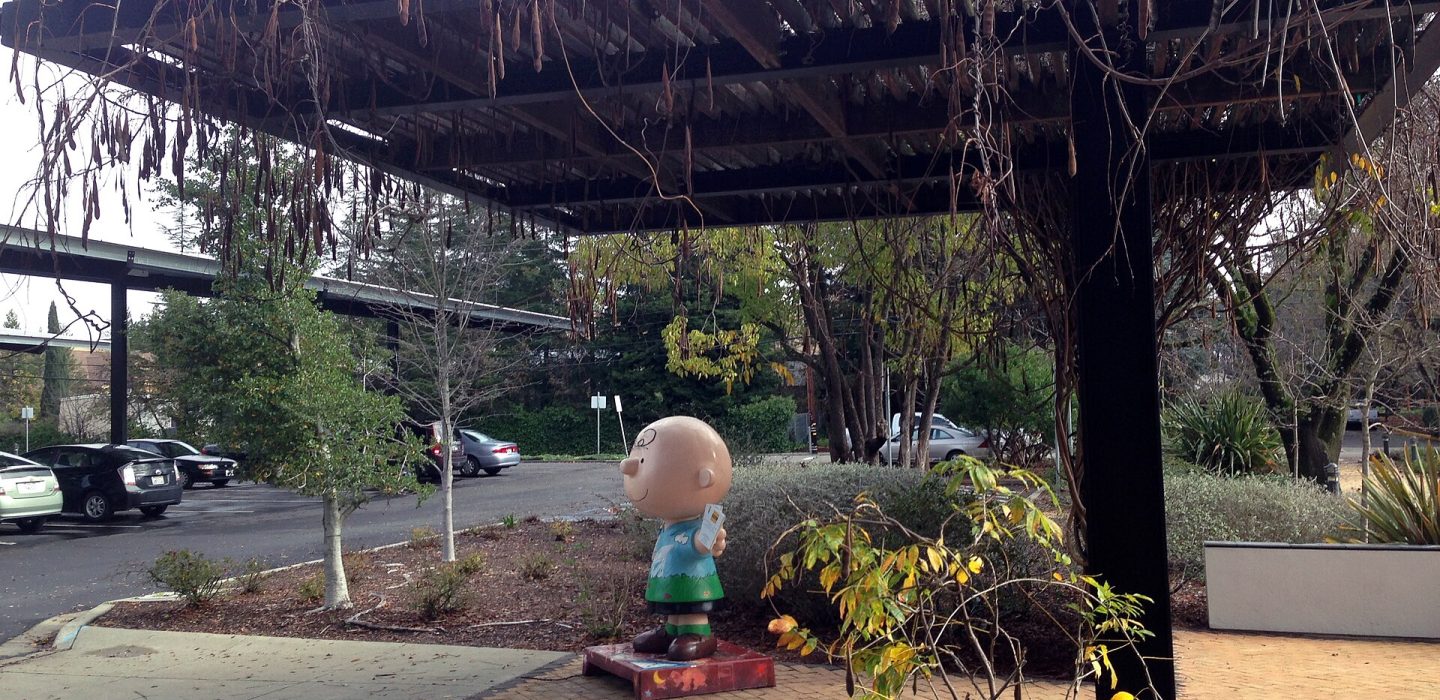

Todd Barbee was about 10 years old when he gave Charlie Brown his voice in “A Charlie Brown Thanksgiving,” a special that has come back nearly every November since 1973. Now 63, Barbee says he did not receive a single residual payment for it until about six years ago, because the contract signed on his behalf was a one-time buyout, Fox News Digital reported on Nov. 26.
That stretch of nearly 50 years ended only after the Peanuts specials moved to streaming and the actors’ union pushed for new payments. These days, he says, the reruns finally pay him something every year.
A Buyout Signed in the ’70s

Barbee told the story on the podcast “Nostalgia Tonight with Joe Sibilia” after the host asked, kindly enough, about the “bountiful residuals” he must have collected. Barbee corrected him. He explained that the cast worked under an old arrangement from the 1970s that the Screen Actors Guild and the American Federation of Television and Radio Artists no longer allow. He called it a buyout and said he believes unions stopped permitting that kind of deal in the 1980s.
Anyone who grew up with the special will remember it as part of a decade that also gave the country the 1970s family road trip, and the era’s language lives on in lists of groovy slang words from the swinging ’60s that carried right into the ’70s. Barbee’s contract, though, was strictly a product of its time.
As a result, Barbee said on the podcast, the cast received no residuals at all for decades, as Fox News reported. He said his first residual check arrived only about six years ago.
How a 10-Year-Old Landed the Role
The job came through a family connection. Barbee’s father knew Lee Mendelson, the producer behind the Peanuts television specials, according to Fox News. Voice Over Herald reported on Nov. 27 that Barbee remembers producers “looking for kids whose voices hadn’t changed,” since the plan was to make several specials back to back. Between 1972 and 1974 he voiced Peanuts characters in five specials.
The young-voice rule had a firm cutoff. Barbee told the podcast that the Peanuts kids got a “Dear John” letter the moment their voices changed. Watching the special has become one of those odd American traditions that confuse the rest of the world, right alongside a parade that this year was postponed to Saturday, Nov. 28.
The money was real at the time. Barbee said the job paid “pretty handsomely” in “1970 dollars,” and after his parents divorced he used his earnings to help his mother buy the house she still lives in, Fox News reported. Plenty of families have dropped old holiday customs over the years, as a look at the Thanksgiving traditions millennials are dropping shows, but the Charlie Brown special has stayed on the list.
Why a Buyout Meant Nothing More
A buyout pays once. The fee covers the recording session and every future use, so reruns, foreign sales and new platforms bring the performer nothing extra. Residuals work the opposite way, paying performers again each time the work is reused, on terms the union contract sets, as Voice Over Herald explained.
For a holiday special that has aired nearly every autumn for more than half a century, that difference adds up. Under Barbee’s deal, every airing was paid for in full in 1973, with a fee set for a child. Kids who watched it on network TV back then also remember little rituals that disappeared without much notice, while some boomer habits are making a comeback and decor trends recall what hung on 1970s walls.
“A Charlie Brown Thanksgiving” premiered on CBS on Nov. 20, 1973, according to Fox News and the special’s Wikipedia entry. The comic strip itself debuted on Oct. 2, 1950, and eventually ran in more than 2,600 newspapers in 75 countries, Fox News noted.
Streaming Changed the Math
Barbee said everything shifted after union renegotiations over streaming rights. Apple TV obtained exclusive streaming rights to the Peanuts catalog in 2020, including “A Charlie Brown Christmas,” Fox News reported. In Barbee’s telling, SAG-AFTRA argued that the old broadcast-era contracts did not cover a streaming service and that current residuals were owed.
He tied the change to “the big strike” about five or six years ago. Voice Over Herald noted that his dates are a little loose: Apple has hosted the Peanuts library since 2020, while the Hollywood strikes came in 2023. Apple said in an October 2025 announcement that it extended the arrangement with WildBrain, Peanuts Worldwide and Lee Mendelson Film Productions until 2030.
Fox News Digital said it reached out to SAG-AFTRA, Apple and Peanuts Worldwide for comment.
What the Checks Mean Now
Barbee has not said how much the payments are worth. He told the podcast that he now makes some money every year off all the specials. He described it as not giant amounts of money but significant, and said he looks forward to the check every year.
He left acting behind long ago and built a career in graphic, commercial and website design in the San Francisco Bay Area, according to Fox News. For decades he barely mentioned Peanuts, calling it “just kind of a funny insider thing.” The fan mail still arrives regularly, he said, and it reminds him how the character has touched people over half a century.
This Thanksgiving weekend, a 10-year-old Todd Barbee is once again picking up the phone while Peppermint Patty invites herself to dinner. The difference now is that the reruns pay.
Get stories like this by email. Sign up for Crafting Your Home.
This article was produced with AI assistance and edited for accuracy against the sources linked above.