
This article was originally published on Crafting Your Home. A human contributor also wrote and edited the post.
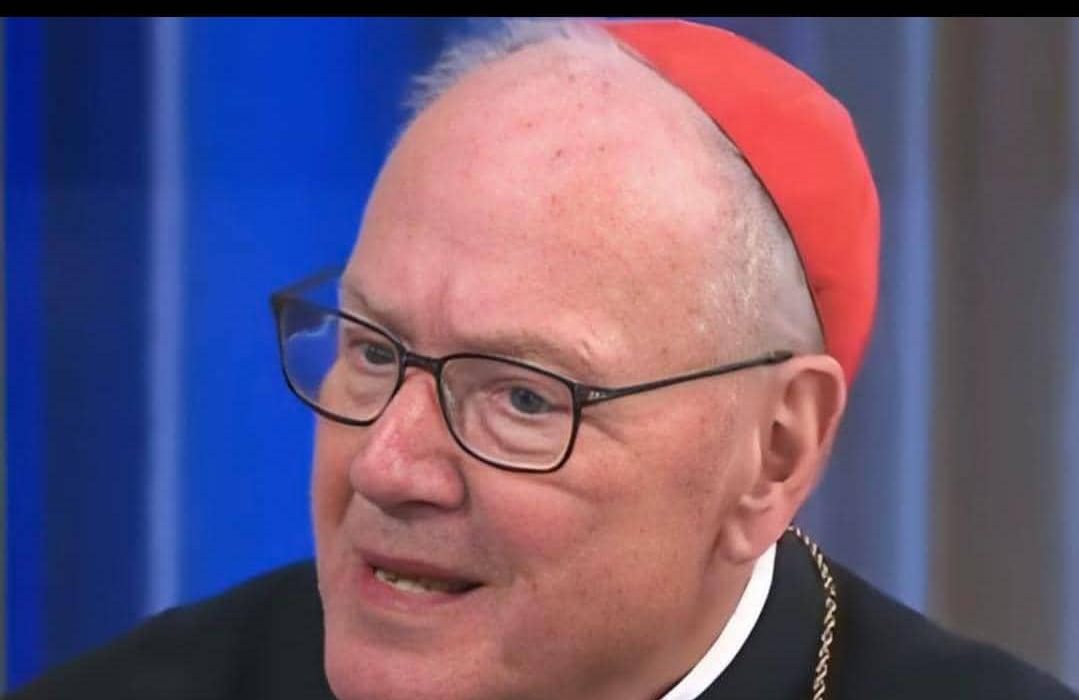
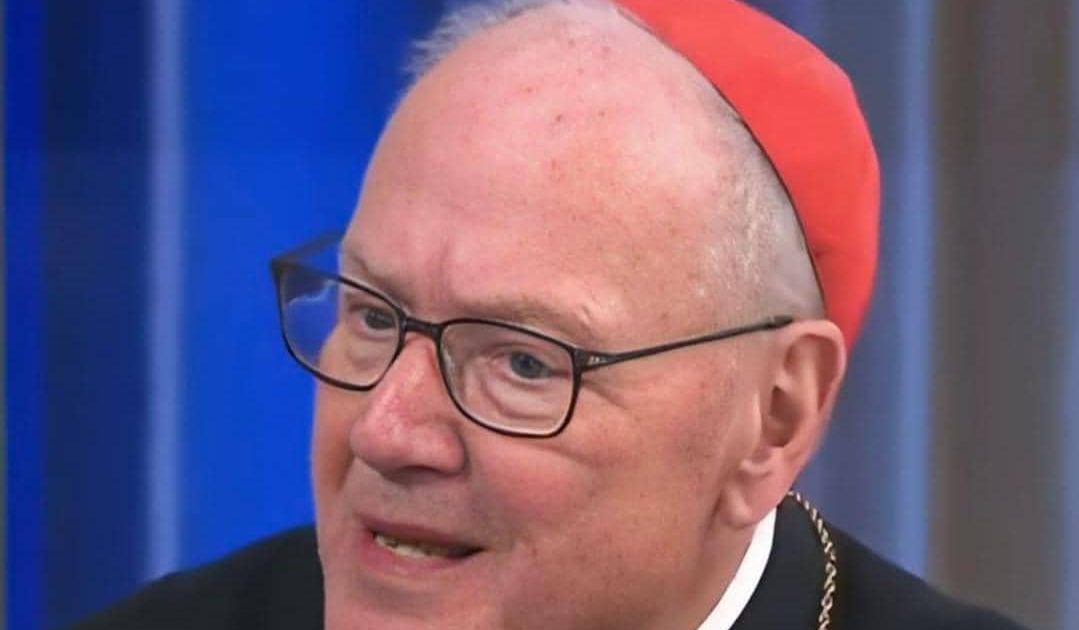
New York Archbishop Timothy Cardinal Dolan has sparked discussion after praising conservative activist Charlie Kirk, describing him as a modern-day example of faith-driven advocacy and comparing aspects of his work to the biblical figure Saint Paul.
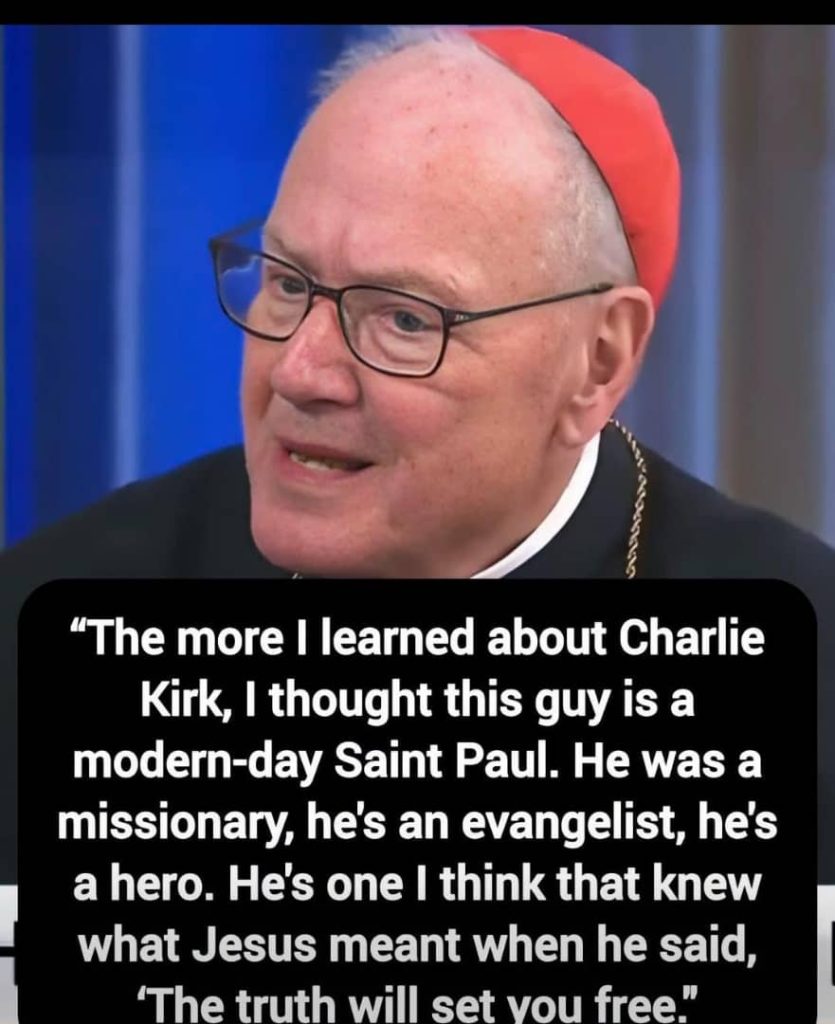
Speaking about Kirk’s influence, Dolan said:
“The more I learned about Charlie Kirk, I thought this guy is a modern-day Saint Paul. He was a missionary, he’s an evangelist, he’s a hero. He’s one I think that knew what Jesus meant when he said, ‘The truth will set you free.’”
The comments highlight the growing conversation around Kirk’s role as a political activist, Christian speaker, and founder of Turning Point USA. This organization became one of the most influential conservative youth movements in America.
Dolan’s remarks also reflect a broader debate over how religious leaders and public figure’s view Kirk’s legacy, with supporters praising his commitment to faith and free speech. At the same time, critics have challenged some of his political positions.
A Faith-Based Mission That Reached Millions
Charlie Kirk rose to national prominence as a young conservative activist who founded Turning Point USA in 2012 when he was a teenager.
The organization focused on engaging young Americans, particularly college students, around conservative ideas, including free markets, limited government, and traditional values.
Over the years, Kirk became known for campus events where he debated students on issues involving politics, religion, culture, and public policy.
Supporters viewed these events as an example of open dialogue and a defense of free expression.
Kirk frequently connected his political activism with his Christian faith, often describing his work as a mission to encourage young people to discuss religious and cultural issues openly.
This faith-centered approach appears to be what drew Dolan’s comparison to Saint Paul, one of Christianity’s most influential figures.
In the New Testament, Saint Paul is known for traveling throughout the ancient world spreading Christian teachings and building early Christian communities.
By comparing Kirk to Saint Paul, Dolan emphasized the evangelistic aspect of Kirk’s public work rather than making a direct theological comparison between the two figures.
Dolan’s Praise Reflects a Wider Debate Over Kirk’s Influence
Cardinal Dolan’s comments have received attention because Charlie Kirk remains a deeply polarizing figure in American public life.
His supporters describe him as a passionate defender of Christianity, free speech, and conservative values.
They argue that his willingness to speak on college campuses and engage with opponents helped encourage political participation among younger generations.
Many conservative Christians have praised Kirk for bringing religious conversations into mainstream political discussions.
However, critics have accused Kirk of promoting controversial positions on social and political issues.
Some opponents argue that his public statements on topics such as race, religion, and government policy have contributed to the political division.
The disagreement over Kirk reflects a larger national conversation about the role of faith in politics and whether religious beliefs should play a stronger role in public life.
Dolan’s comments place him among religious leaders who have recognized Kirk’s influence and his ability to connect with younger audiences.
The Meaning Behind the Saint Paul Comparison
The comparison between Kirk and Saint Paul carries significant religious symbolism.
For Christians, Saint Paul represents dedication, courage, and commitment to spreading a message despite opposition.
Dolan’s reference suggests that he sees Kirk’s work driven by conviction and a desire to persuade others through public discussion.
The phrase “the truth will set you free,” referenced by Dolan, comes from the Gospel of John and is one of the most recognized teachings attributed to Jesus.
Kirk often emphasized the importance of truth, debate, and challenging ideas through conversation.
His approach was built around direct engagement, especially through public events where he invited disagreement and discussion.
Supporters say this method reflected a commitment to free expression.
Critics argue that some discussions around controversial issues require greater sensitivity and responsibility.
The reaction to Dolan’s remarks shows how public figures can inspire very different responses depending on political and religious perspectives.
A Continuing Conversation About Faith, Politics, and Public Life
Cardinal Dolan’s comments about Charlie Kirk highlight the ongoing relationship between religion and American political culture.
For many supporters, Kirk represents a new generation of faith-based activism that combines religious belief with public engagement.
For critics, his influence raises questions about the intersection of religion, politics, and social debates.
Regardless of perspective, Kirk’s impact on conservative youth activism and political conversations is difficult to ignore.
His organization helped create a major network of young conservative activists, and his speaking events became a significant part of modern political culture.
Dolan’s description of Kirk as a “modern-day Saint Paul” reflects the admiration many supporters have for his willingness to defend his beliefs publicly.
At the same time, the debate surrounding Kirk demonstrates how influential figures often become symbols of larger cultural disagreements.
The conversation over his legacy is likely to continue as Americans debate the role of faith, politics, and free expression in public life.
If you like what you just read, then subscribe to our newsletter and follow us on social media.