The post Can Animals Predict the Weather? 7 Popular Beliefs Tested Against Science first appeared on Crafting Your Home.
For generations, people have watched animals for signs of changing weather. A groundhog appearing from its burrow, a cow lying in a field, or birds flying lower than usual have all been linked to predictions about what the sky might bring.
These observations often come from everyday experiences passed down over time, but not every animal behavior is a true forecast. Some creatures can detect environmental changes, while others have simply become part of weather folklore.
Here are seven popular animal weather beliefs and what science says about them.
Groundhogs can tell whether winter will last six more weeks
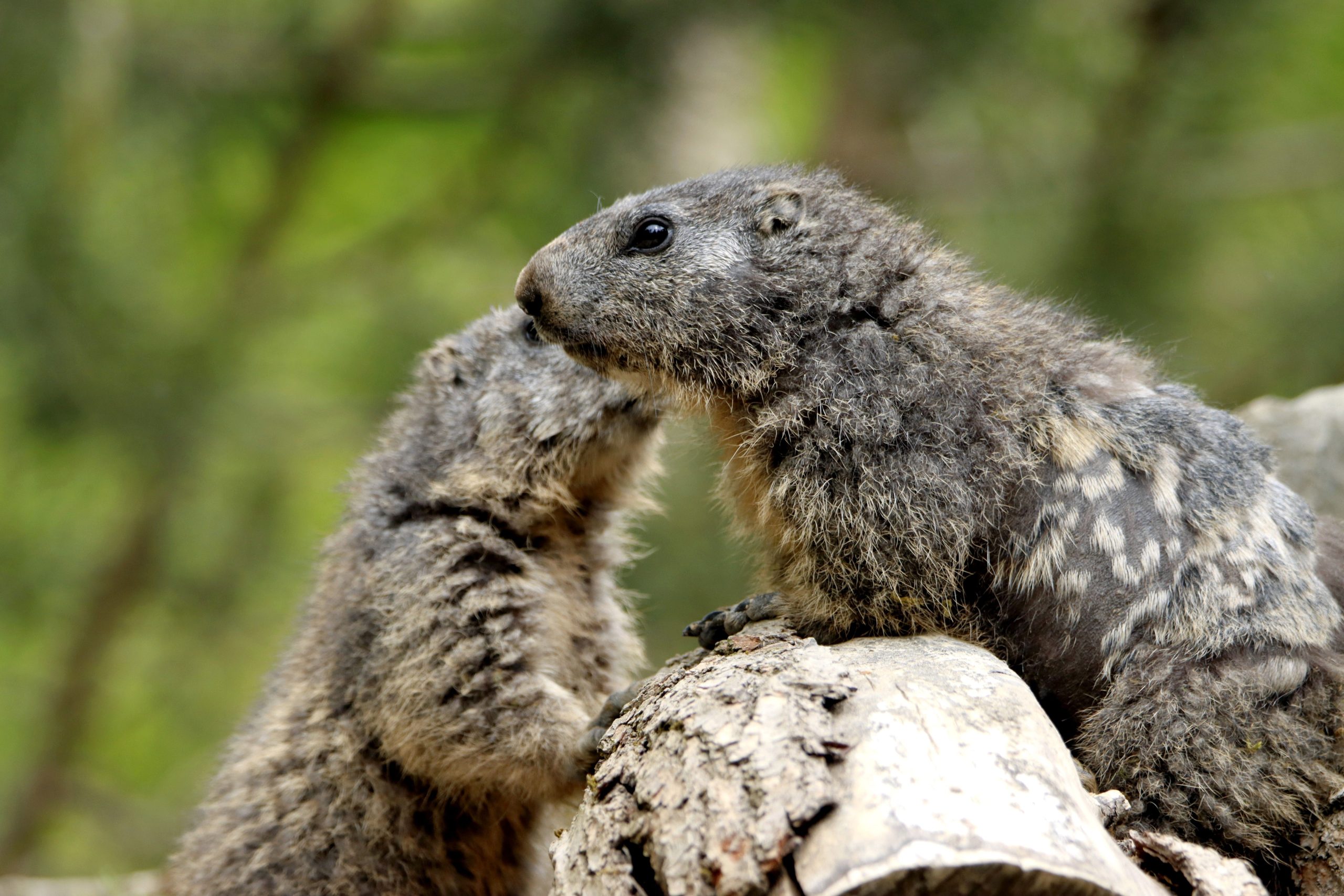
The groundhog, also called the woodchuck (Marmota monax), is one of the most famous animals connected with weather predictions. According to the Groundhog Day tradition, the animal’s behavior is used to suggest whether winter will continue for several more weeks or end sooner.
This is a cultural tradition, not a dependable seasonal forecast. A groundhog’s actions do not reliably predict how long winter will last.
Related: 10 Fascinating Tiny Versions of Animals That Will Amaze You
Cows lie down when rain is coming
Many people have heard the saying that cattle lying down in a pasture means rain is on the way. Domestic cattle (Bos taurus) can respond to weather conditions and changes in their surroundings, but simply lying down has not been proven to reliably signal approaching rainfall.
A resting cow may just be resting, so don’t treat this behavior as a dependable weather warning.
Low-flying birds mean rain is approaching
People have often interpreted birds flying close to the ground as a sign of coming rain. This belief has some scientific support because birds, including swallows and other aerial insect-eating species, can respond to environmental changes.
Falling air pressure, insect activity, and wind conditions may influence where these birds fly and feed. Low-flying birds can reflect changing conditions, but they are responding to weather cues rather than predicting rain with certainty.
Frogs croak before rain
Frogs and toads from the order Anura are often associated with rainy weather because their calls may become more noticeable during humid conditions. Many species become more active and vocal when conditions suit breeding, especially when rain is involved.
Frogs react to conditions that signal a favorable environment, not to rainfall before it happens. Their calls respond to weather-related cues rather than predict rainfall.
Crickets can tell you the temperature
The snowy tree cricket (Oecanthus fultoni) is one example where an animal behavior has a stronger scientific connection to weather. Its chirping rate changes with air temperature, and under the right species and conditions, those sounds can help estimate temperature.
This belief has scientific support, but it comes with limits. Not every cricket species works the same way, and the method depends on identifying the right animal and using the right conditions.
A woolly bear’s stripes predict a harsh winter
The banded woolly bear, the larva of the Isabella tiger moth (Pyrrharctia isabella), has long been linked to winter predictions. A common belief says that the caterpillar’s stripe pattern can reveal whether the coming winter will be mild or severe.
In reality, the color pattern mainly reflects the caterpillar’s age, its molting history, and the conditions it has already experienced. Woolly bear stripes describe the insect’s past conditions, not the weather waiting ahead, so this prediction is considered a myth.
Related: What It Actually Takes to See Katmai’s Famous Bears in Person
Birds know a storm is coming
Some birds appear able to sense environmental changes before severe weather arrives. Research involving birds such as the white-crowned sparrow (Zonotrichia leucophrys) has shown that birds can adjust their feeding and activity when barometric pressure drops before bad weather.
Birds can detect certain signals in their surroundings, but sensing those signals is different from predicting a storm’s exact arrival or strength. They respond to changes in the environment, not make a forecast like a weather station.
Animals can provide fascinating clues about the world around them, but there is a big difference between noticing weather changes and predicting the future.
The next time a bird changes direction or a frog starts calling, it may be reacting to real environmental signals, but nature’s signs are not always as simple as old sayings suggest.
Other Posts You Might Like
- 10 Extraordinary Ways Animals Have Mastered the Art of Surviving Below Freezing Temperatures
- 10 Dangerous Animals Lurking in Your Backyard
- 8 Animals That Are Illegal to Keep as Pets in Many States
If you like what you just read, then subscribe to our newsletter and follow us on social media.