


The post Camels Don’t Store Water in Their Humps — Here’s What’s Actually Inside first appeared on Crafting Your Home.
A camel’s hump can shrink and lean to one side, but it has not run out of drinking water. The familiar mound contains fat, which the animal draws on for energy when food becomes scarce. As that reserve gets used, the hump can change shape.
That makes the hump more interesting than the imaginary water tank it is sometimes mistaken for. It holds an energy supply, while other features of the camel’s body help it conserve water and cope with heat.
San Diego Zoo Wildlife Alliance and Britannica explain that distinction. Whether you are answering a child’s animal question or trying to remember which camel has two humps, these seven facts offer a clearer picture of what that remarkable feature actually does.
The Hump Holds Stored Energy
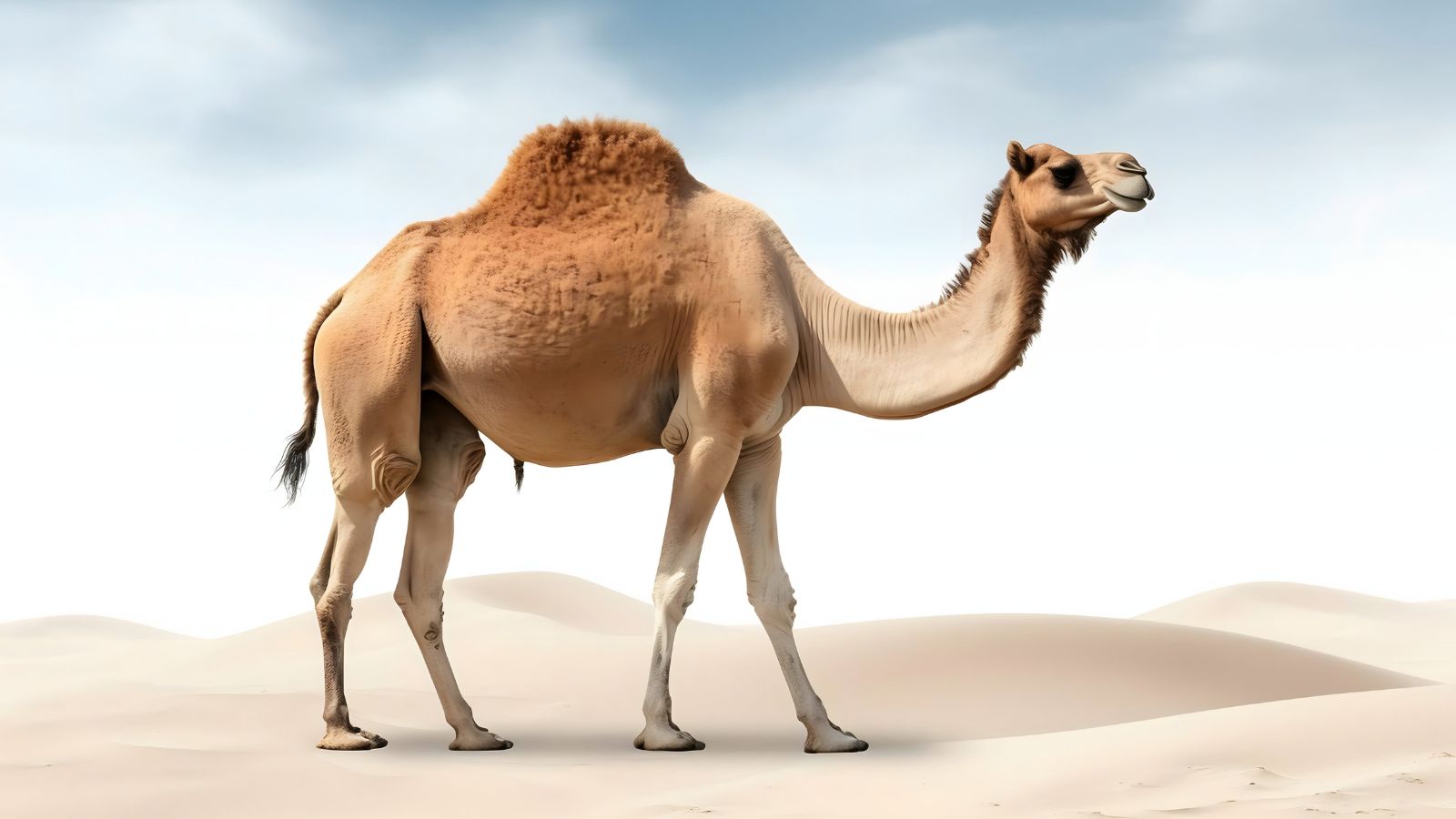
A camel’s hump contains fatty tissue, not a hollow compartment filled with liquid. Its purpose is to provide energy when there is not enough food available.
According to San Diego Zoo Wildlife Alliance, the camel can use that fat reserve when food is scarce. How long it lasts depends partly on the climate and how active the animal is, so it should not be treated as a supply with a fixed expiration date.
The useful distinction is between food and drinking water. A camel’s hump helps it through food shortages by storing energy its body can draw on. It does not contain a drink waiting to be released.
A Hump Can Shrink or Droop
The hump’s shape can change as the camel uses its stored fat. It may become smaller, lean over, or droop to one side.
Both the Library of Congress and San Diego Zoo describe this change. With adequate food and rest, the hump can regain its usual shape as the fat reserve is restored.
This is the visual detail that gives the explanation its staying power: the hump is not a permanently rigid structure. Its appearance can reflect changes in the reserve inside it.
Still, a picture does not tell the whole story of an individual animal. A drooping hump alone is not enough to judge its condition or care, and it should not be described as proof that the camel needs a drink.
Related: 5 Terrifying Exotic Pets That Killed Their Owners
Keeping Fat in One Place Helps the Camel Release Heat
The location of that fat matters, too. A camel needs stored energy, but spreading a large insulating reserve across its body would make releasing heat more difficult.
Britannica explains that concentrating fat in the hump allows the rest of the body to dissipate heat more easily. The arrangement gives the camel an energy reserve without distributing the same layer of insulation everywhere.
That does not mean the hump actively cools the camel. Its contribution comes from where the fat is stored, leaving other parts of the body better able to release heat.
The hump’s role is therefore broader than simply holding backup energy, though it remains a fat deposit throughout.
Water Conservation Happens Elsewhere in the Body
Once the hump is understood, the obvious question follows: how does the camel manage thirst?
Britannica describes several ways its body limits water loss. A thirsty camel can reduce urine output to about one-fifth of its usual volume. Its droppings also contain little water and can be dry enough to use as fuel.
The camel can also allow its body temperature to rise before sweating, reducing the amount of water lost that way.
These adaptations work together. The explanation is not another hidden reservoir somewhere else in the animal, but a set of ways to conserve the water already in its body. The hump supplies stored energy; these other mechanisms help the camel retain water.
A Camel Can Drink a Remarkable Amount Quickly
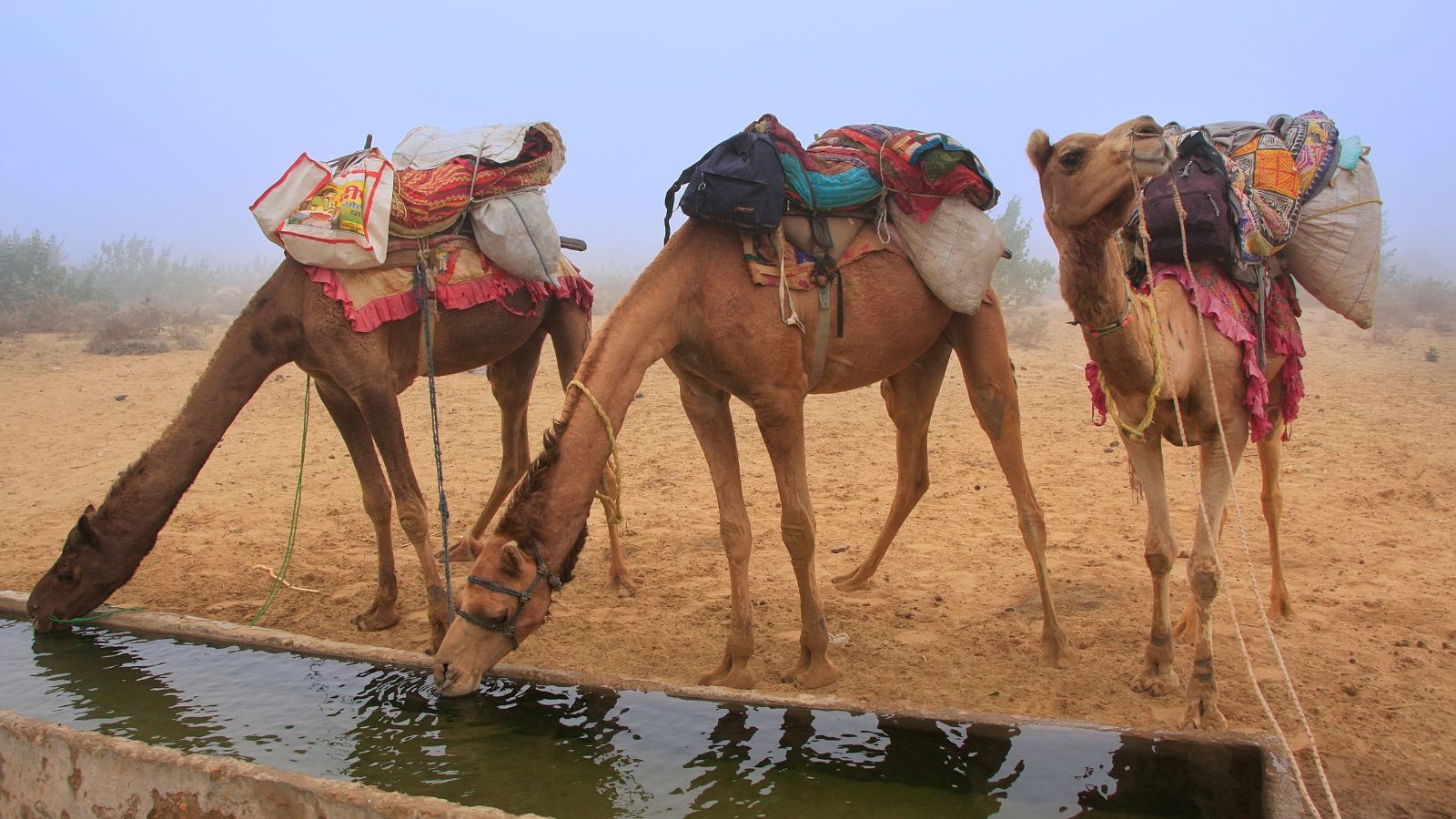
Conserving water is only part of the story. When water becomes available, a camel can take in a substantial amount in a short time.
Britannica reports that a camel can absorb more than 100 liters, roughly 26 U.S. gallons, during a drink lasting five to 10 minutes. That is a reported capability, rather than an amount every camel drinks whenever it reaches water.
How long a camel can go without drinking also varies. Britannica gives a range of four to seven days in severe heat, with much longer periods possible when the animal is not working and its food supplies enough moisture.
That last detail matters: going without a drink does not necessarily mean receiving no water. Moisture in forage can contribute to the animal’s intake.
One Hump or Two, the Contents Are the Same
Dromedary camels have one hump, while Bactrian camels have two. In both, the humps store fat.
San Diego Zoo offers a simple way to remember the difference: imagine a capital “D” turned on its side for one hump, and a sideways “B” for two.
There is also a wrinkle in the fat-versus-water explanation. Breaking down fat can produce metabolic water, meaning water generated through chemical reactions in the body. A review in Frontiers in Nutrition discusses this process in relation to camel hump fat.
Water produced during metabolism is different from liquid water stored in the hump. The process does not turn the hump into a tank or eliminate the camel’s need to drink.
Newborn Camels Do Not Have Full-Sized Humps
The camel’s defining feature is not fully developed at birth. San Diego Zoo describes newborn calves as having small peaks of hide where their humps will form, rather than the developed humps seen in adults.
That offers another reason to look beyond the familiar outline. A camel’s hump develops, stores fat, and can change shape as that reserve is used and replenished.
Conclusion
The next time a camel’s hump comes up in conversation, start with what is inside it, then explain what happens when the animal uses that supply.
The shrinking or drooping mound makes the distinction especially memorable: it is an energy reserve, while water conservation is a job shared by other adaptations.
Other Posts You Might Like
If you like what you just read, then subscribe to our newsletter and follow us on social media.


