


California’s latest plastic bag ban is not just another environmental update. It is a structural shift in how shopping works, how retailers operate, and how consumers behave at one of the most ordinary yet consistent moments of daily life: checkout.
On paper, the rule looks straightforward. Plastic carryout bags are no longer allowed at checkout, pickup, curbside, or delivery in covered stores. Recycled paper bags remain available for a fee. Reusable bags from home become the expected default.
The New California Plastic Bag Ban System: What Actually Changed
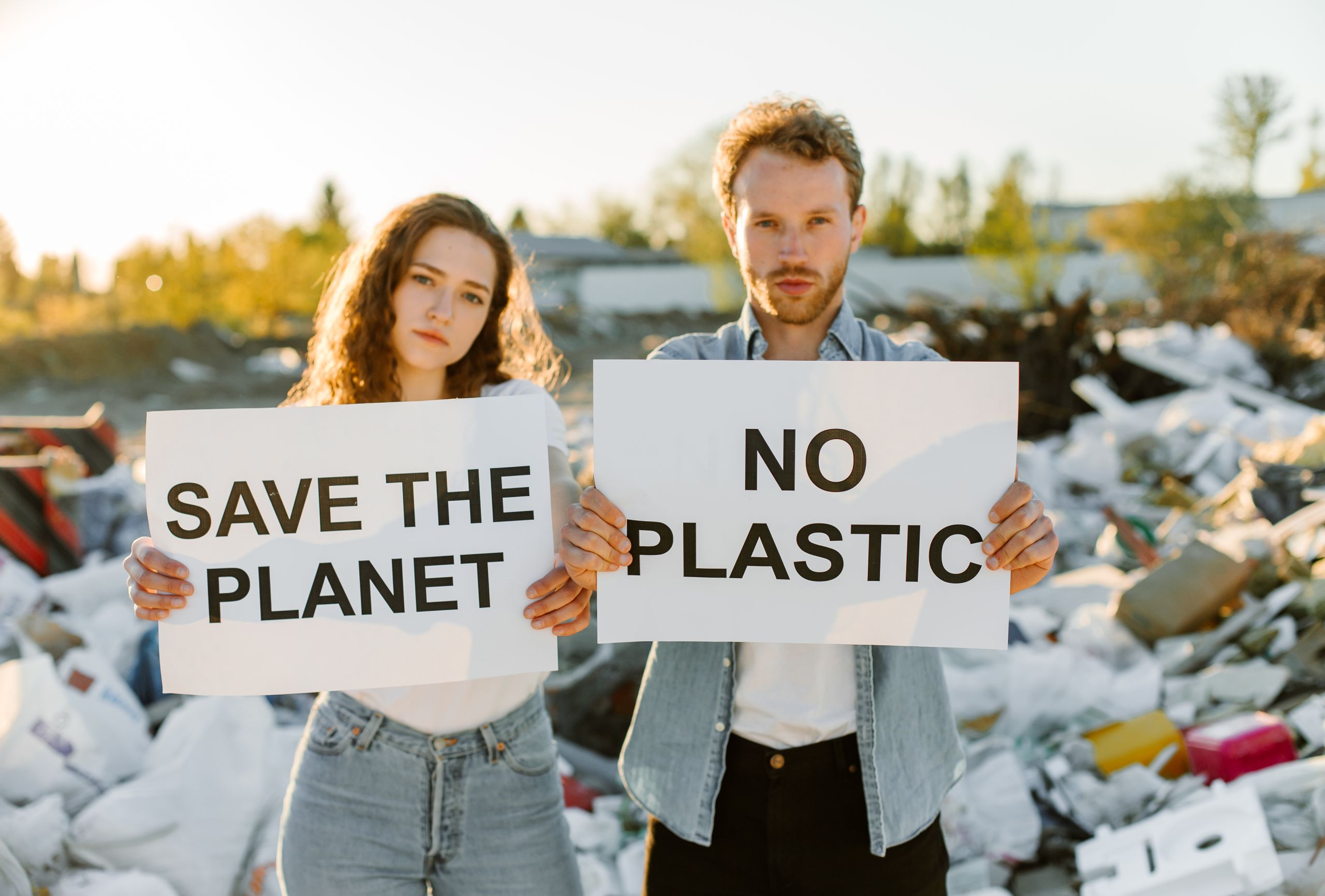
Under California’s updated rules, most grocery stores, pharmacies, convenience stores, liquor stores, and food retailers are prohibited from providing plastic carryout bags at the point of sale.
That restriction does not stop at traditional checkout lanes. It also applies to self-checkout stations, online grocery pickup orders, curbside pickup systems, and home delivery orders fulfilled by stores.
The only standard alternative offered at checkout is a recycled paper bag, typically priced at a minimum of ten cents per bag. Reusable bags remain fully allowed and are now positioned as the most practical and cost-efficient option.
The Hidden Compliance Gap: Where Policy Meets Reality
A major layer often overlooked is the gap between regulation and real-world execution. In practice, enforcement is not uniform. Retailers interpret requirements differently.
As a result, California’s bag ban does not create one consistent experience.
It creates multiple versions of the same rule depending on location, store type, and operational capacity. In some stores, the transition is clean and clearly enforced.
Franchise Stores vs Independent Retailers: A Quiet Economic Divide
One of the less visible consequences of the bag ban is how unevenly it affects different types of retailers.
Large grocery chains operate with centralized systems that allow them to adapt quickly. They can standardize compliance across locations, negotiate bulk supply contracts for paper bags, and update checkout systems at scale. Their transition tends to be smoother and more uniform.
Independent grocery stores and small neighborhood retailers face a different reality. They often deal with higher per-unit costs for compliant paper bags, less predictable supply chains, and limited flexibility in point-of-sale systems.
Over time, this creates a quiet divide in how regulation impacts competition. Larger retailers absorb change more efficiently, while smaller stores carry more operational strain.
The Delivery App Loophole: The New Frontline of Policy Enforcement
Modern grocery shopping increasingly happens outside the physical checkout lane, and that shift introduces new complexity into the policy.
Grocery delivery and pickup systems raise practical questions about responsibility and execution. It is no longer always clear who controls packaging decisions—the store, the platform, or the delivery worker fulfilling the order.
This creates variability in how the law is applied. Some orders are packaged in paper bags; others are minimally bagged, depending on store workflows; and some follow hybrid systems shaped by platform-specific instructions rather than uniform retail standards.
The Psychology Problem: Habit Fatigue at Checkout
The effectiveness of the ban depends less on policy design and more on human behavior.
Most shoppers are not resistant to reusable bags. The challenge is memory and timing. Grocery shopping is often spontaneous, fragmented, or layered across multiple stops in a single day. In those conditions, habits break easily.
People forget bags during quick stops after work. They switch between stores without planning. They make purchasing decisions under time pressure. These small realities add up to what can be described as habit fatigue, where consistent behavioral change becomes difficult to maintain in routine environments.
The Paper Bag Inflation Effect: When Small Fees Become System Signals
The ten-cent paper bag fee appears minimal at first glance, but it operates inside a dynamic pricing environment that can shift over time.
Paper production costs fluctuate based on raw materials, recycling mandates, transportation, and retail logistics. These pressures do not remain static, meaning the cost of providing bags is not fixed either.
Over time, this creates subtle variation in how bag fees are applied across regions, retailers, and even shopping formats such as delivery versus in-store purchase.
Recycling Reality: Where the Environmental Outcome Is Decided
The environmental impact of the ban does not end at checkout. It continues inside recycling systems that vary widely in capacity, efficiency, and contamination control.
Paper bags enter municipal systems that are not uniform across California. Some regions process paper efficiently. Others face contamination issues from food waste, moisture, or mixed materials that reduce recyclability. In some cases, paper bags are diverted from recycling entirely due to local infrastructure limitations.
The Reusable Bag Economy: A Market Emerging From Regulation
As plastic bags disappear from checkout counters, a new consumer category continues to expand quietly.
Reusable bags are no longer just utility items. They are evolving into a retail segment of their own. Durable insulated grocery bags, foldable emergency carriers, and branded tote systems are increasingly marketed as lifestyle products rather than simple shopping tools.
Retailers are responding accordingly, treating reusable bags as both functional tools and revenue opportunities. This shift reveals an important reality. The policy does not eliminate the bag market. It transforms it.
The Checkout Ritual Has Changed
Grocery checkout has moved from automation to awareness. A process that once required almost no planning now introduces repeated micro-decisions.
Shoppers now evaluate whether they brought bags, whether they want paper bags, whether the fee is worth paying, and how they will carry items after leaving the store.