This article was originally published on Crafting Your Home. A human contributor also wrote and edited the post.
A brief exchange involving President Donald Trump and CNN journalist Kaitlan Collins has sparked a wider conversation about media, politics, and how women in journalism are treated in public settings.
The moment drew attention after political commentator Brian Tyler Cohen defended Collins following Trump’s remark telling her to smile. Cohen responded on social media:
“Maybe she just doesn’t smile for pricks? Congrats to Kaitlan Collins on the recognition.”
His comment quickly spread online, with supporters praising him for defending Collins and critics arguing that the response added more hostility to an already tense political conversation.
The exchange highlights a familiar pattern in American politics: moments between politicians and journalists often become bigger stories because they reflect broader debates about respect, criticism, and the relationship between public officials and the press.
Trump’s Comment to Kaitlan Collins Draws Attention
Kaitlan Collins, one of CNN’s most prominent political journalists, has developed a reputation for challenging political figures during interviews and press events.
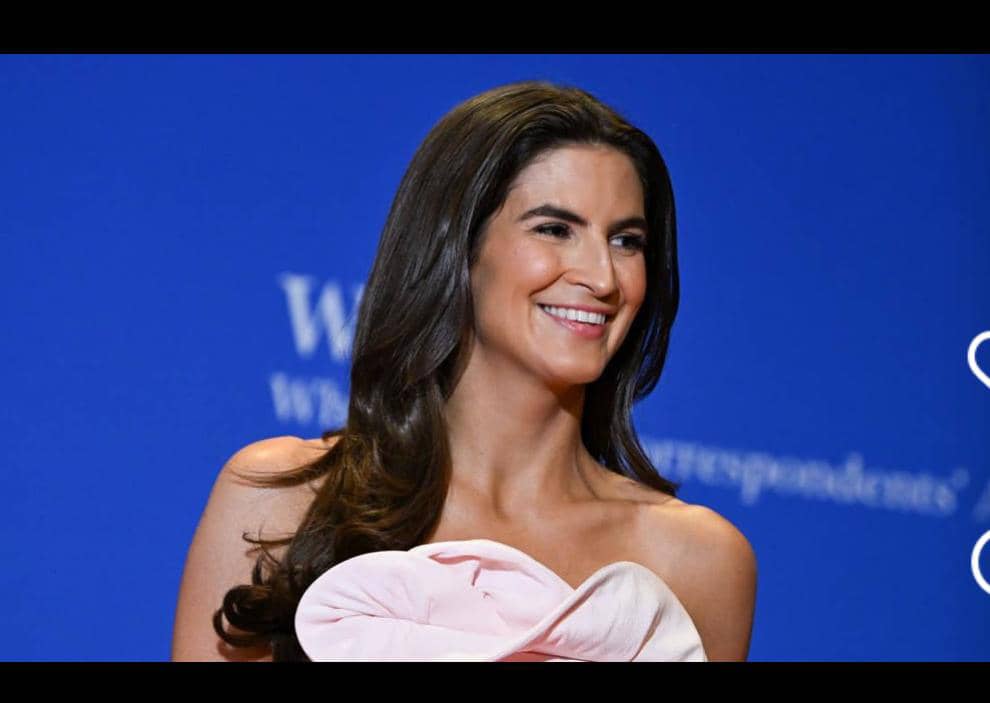
The interaction involving Trump occurred during a public appearance where Collins was recognized for her work. According to reports, Trump told Collins to smile, a comment that quickly drew reactions online.
Supporters of Collins argued that the remark reflected a common frustration faced by women in public-facing professions, where they are sometimes judged not only on their work but also on their appearance or demeanor.
Critics, however, viewed the reaction as another example of political disagreements becoming amplified through social media.
Trump has frequently clashed with journalists throughout his political career, often criticizing reporters and major news organizations over coverage of his administration and campaigns.
CNN, where Collins works, has also been a frequent target of Trump’s criticism.
The relationship between Trump and the media has remained one of the most closely watched political conflicts in modern American politics.
Brian Tyler Cohen’s Defense Goes Viral
Brian Tyler Cohen, a political commentator and host known for his progressive political analysis, responded by defending Collins.
His post gained attention because of its sharp wording and direct criticism of Trump.
Cohen wrote:
“Maybe she just doesn’t smile for pricks? Congrats to Kaitlan Collins on the recognition.”
Supporters said Cohen was pushing back against what they saw as an unnecessary personal comment directed at Collins.
They argued that journalists should be evaluated based on their professionalism and reporting rather than whether they appear friendly enough during political interactions.
Others criticized Cohen’s language, saying personal attacks can distract from legitimate discussions about political communication and media relations.
The reaction reflected the highly divided nature of online political conversations, where even small exchanges can become symbols in larger cultural debates.
For many observers, the controversy was less about a single comment and more about long-running arguments over respect between politicians and journalists.
The Bigger Debate Over Politics, Media, and Public Image
The exchange between Trump, Collins, and Cohen highlights the complicated relationship between elected officials and the press.
Presidents and journalists have often had tense relationships because reporters are responsible for questioning leaders, while politicians frequently want to control how their messages are presented.
Supporters of aggressive questioning argue that journalists play an important role in holding powerful figures accountable.
Critics argue that some media coverage is unfair or politically biased.
The debate over Collins’ interaction also connects to broader discussions about expectations placed on women in professional settings.
Many advocates argue that women are often judged by standards unrelated to their qualifications, including their tone, facial expressions, and appearance.
Others argue that public figures on all sides should avoid turning disagreements into personal conflicts.
A Small Moment Becomes a Larger Political Conversation
The exchange involving Trump’s comment and Cohen’s response demonstrates how quickly political moments can spread in the digital age.
A short interaction can move from a press event to social media discussions, opinion debates, and national commentary within hours.
For Collins, the moment added another chapter to her career as a journalist regularly covering some of the most powerful political figures in the country.
For Cohen, the response reinforced his role as a commentator who frequently defends Democratic figures and criticizes Trump and Republican leaders.
For Trump’s supporters and critics, the incident became another example of the broader disagreements that have shaped American political culture.
Ultimately, the controversy reflects a larger question about public communication: should political debates focus on policies and accountability, or do personal exchanges reveal something important about leadership and public behavior?
In an era where every comment can become a headline, even a simple instruction to “smile” can become part of a much bigger national conversation.
If you like what you just read, then subscribe to our newsletter and follow us on social media.