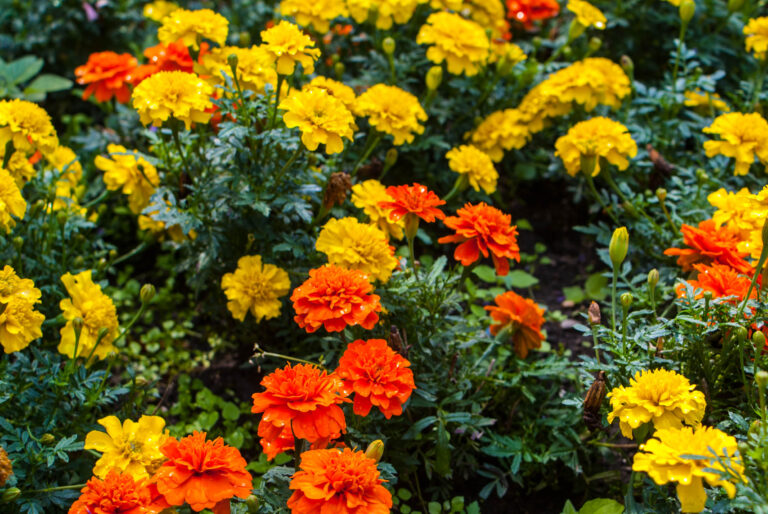
Best Ways to Save Water on Your Lawn and Garden During Dry Weather
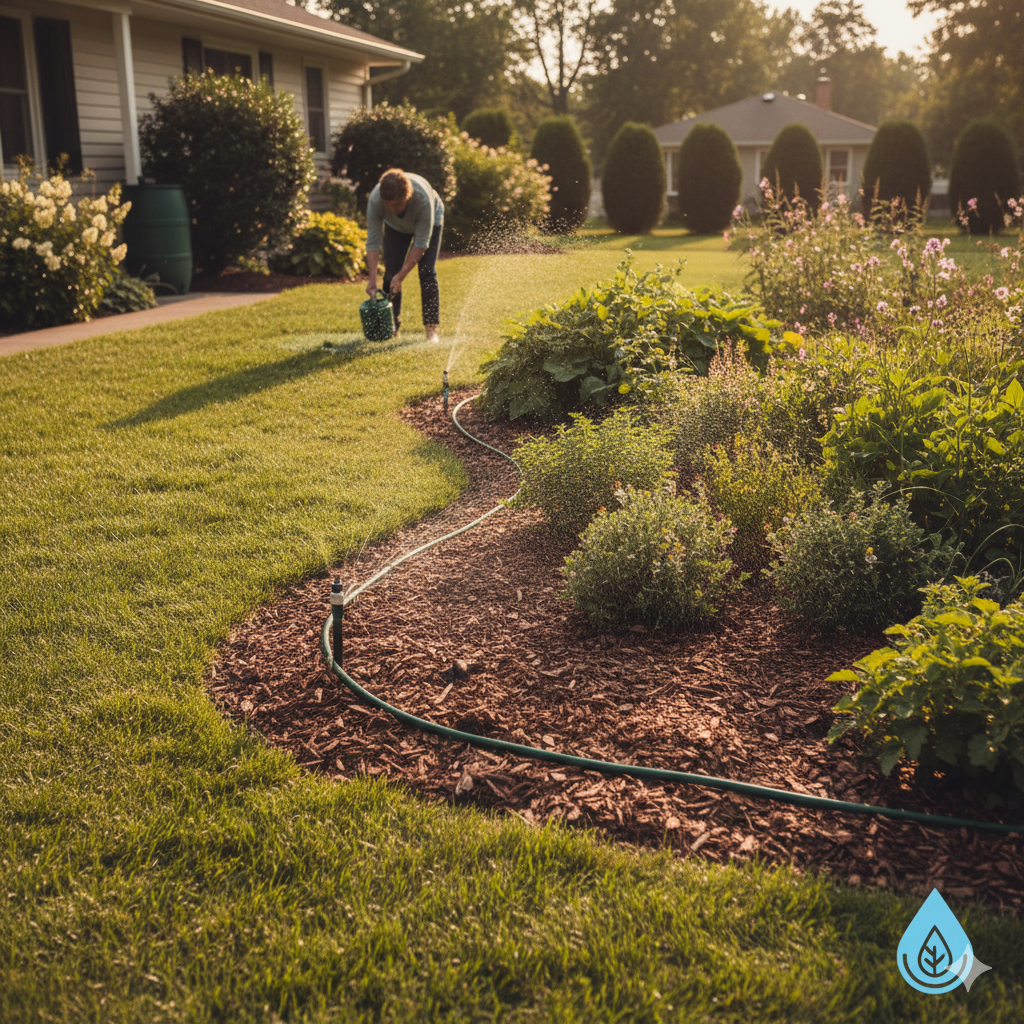
Watering your lawn and garden efficiently is essential, especially in areas facing droughts or water restrictions. In this article, we present actionable tips that can help homeowners and gardeners conserve water while maintaining a lush, green lawn and vibrant garden.
From selecting water-efficient plants to adjusting watering practices, these tips will not only help you save water but also reduce your water bills.
Choose Drought-Tolerant Plants for Your Lawn and Garden

One of the most effective ways to save water is by planting drought-tolerant species that thrive with minimal water. These plants are specifically designed to survive in low-water conditions, making them ideal for regions where water conservation is a priority.
Popular Drought-Tolerant Lawn Grass
- Buffalo Grass: This grass species is ideal for dry climates and requires minimal watering.
- Zoysia Grass: Known for its heat tolerance, Zoysia grass remains green even with reduced water.
- Bermuda Grass: A resilient grass that can withstand drought conditions and low water availability.
Drought-Tolerant Garden Plants
- Lavender: This fragrant herb thrives in dry soil and needs little watering once established.
- Sedum: Often called “stonecrop,” Sedum is a hardy succulent that stores water in its leaves.
- Coneflower: This perennial is perfect for dry conditions and attracts pollinators, making it a beneficial addition to any garden.
By switching to drought-tolerant plants, you can significantly reduce the amount of water required to maintain your landscape.
Optimize Watering Techniques for Maximum Efficiency
The way you water your lawn and garden is just as important as the plants you choose. Adopting efficient watering practices can help reduce water waste and promote healthy plant growth.
Water Early in the Morning or Late in the Evening
Watering your lawn and garden during the cooler parts of the day reduces evaporation and ensures that water reaches the roots. Early morning or late evening watering is ideal, as it minimizes water loss caused by heat.
Water Deeply, but Less Frequently
Instead of watering your lawn every day, it’s better to water deeply but less frequently. Deep watering encourages roots to grow deeper into the soil, making your plants more drought-resistant. Watering every 2 to 3 days is often more beneficial than daily light watering.
Use Drip Irrigation Systems
Drip irrigation is an efficient way to deliver water directly to the roots of plants without wasting it on the surrounding soil. Drip systems reduce evaporation and runoff, making them ideal for garden beds and flower borders. They also help avoid water wastage on pathways and driveways.
Install Smart Irrigation Systems
Smart irrigation systems can adjust watering schedules based on weather conditions, reducing water waste. These systems use weather data and soil moisture sensors to determine when and how much water is needed, ensuring that your lawn and garden receive optimal hydration without overwatering.
Mulch Your Lawn and Garden Beds

Mulching is one of the best practices for conserving water in your garden and lawn. Mulch helps retainmoisture in the soil, reduces evaporation, and keeps the roots cool. It also prevents weed growth, which competes with your plants for water.
Types of Mulch
- Organic Mulch: Wood chips, leaves, and straw are excellent organic mulches that break down over time, enriching the soil with nutrients.
- Inorganic Mulch: Gravel or rubber mulch doesn’t decompose, but it still provides excellent moisture retention and prevents soil erosion.
A thick layer of mulch around your plants can cut down on the need for frequent watering, especially during hot and dry weather.
Collect and Use Rainwater
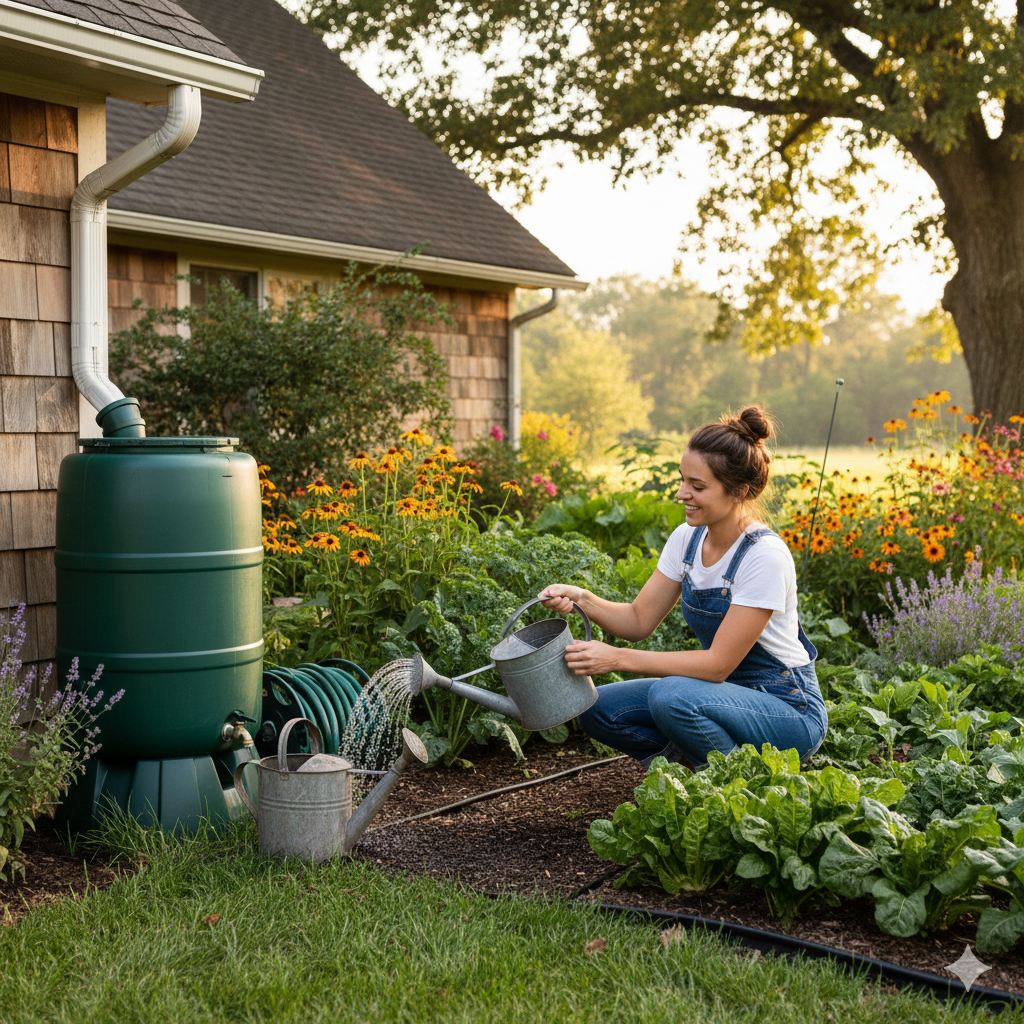
Rainwater harvesting is a sustainable and eco-friendly method to save water and reduce reliance on municipal supplies. By collecting rainwater in barrels or tanks, you can water your garden and lawn without using tap water.
How to Set Up a Rainwater Harvesting System
- Install Gutters and Downspouts: Ensure that your roof has gutters and downspouts to direct rainwater into barrels or tanks.
- Use a Watering Can or Hose: Attach a soaker hose or watering can to the rain barrel for easy distribution of water.
- Filter and Store: Add a fine mesh filter to prevent debris from entering your water storage container and ensure clean water for your plants.
Harvesting rainwater not only helps you save money on water bills but also supports sustainable gardening practices.
Aerate Your Lawn to Improve Water Absorption
Aerating your lawn improves the flow of water and air to the roots, allowing for better moisture retention. Lawn aeration involves making small holes in the soil to reduce compaction and encourage deeper root growth.
Benefits of Lawn Aeration:
- Improves water absorption: Aerated soil allows water to penetrate deeper, reducing runoff and improving hydration.
- Prevents waterlogging: Aeration helps prevent the formation of puddles on your lawn by improving drainage.
- Strengthens grass: With better access to water, grass roots become stronger, resulting in a healthier lawn.
Aerating your lawn once a year can have a significant impact on water conservation and overall lawn health.
Use Native Plants to Enhance Water Efficiency
Native plants are adapted to the local climate, requiring less water and maintenance than non-native species. They are better suited to the soil conditions, temperatures, and rainfall patterns in your area, making them ideal for water conservation.
Advantages of Native Plants
- Low maintenance: Native plants are well-suited to the local environment and require fewer inputs such as fertilizers, pesticides, and water.
- Attract wildlife: Many native plants support local wildlife, including birds, bees, and butterflies, helping to enhance biodiversity in your garden.
- Better drought tolerance: Native plants are adapted to survive with minimal water, making them highly drought-resistant.
Incorporating native plants into your lawn and garden reduces water usage and creates a more sustainable landscape.
Reduce Lawn Area and Opt for Groundcovers
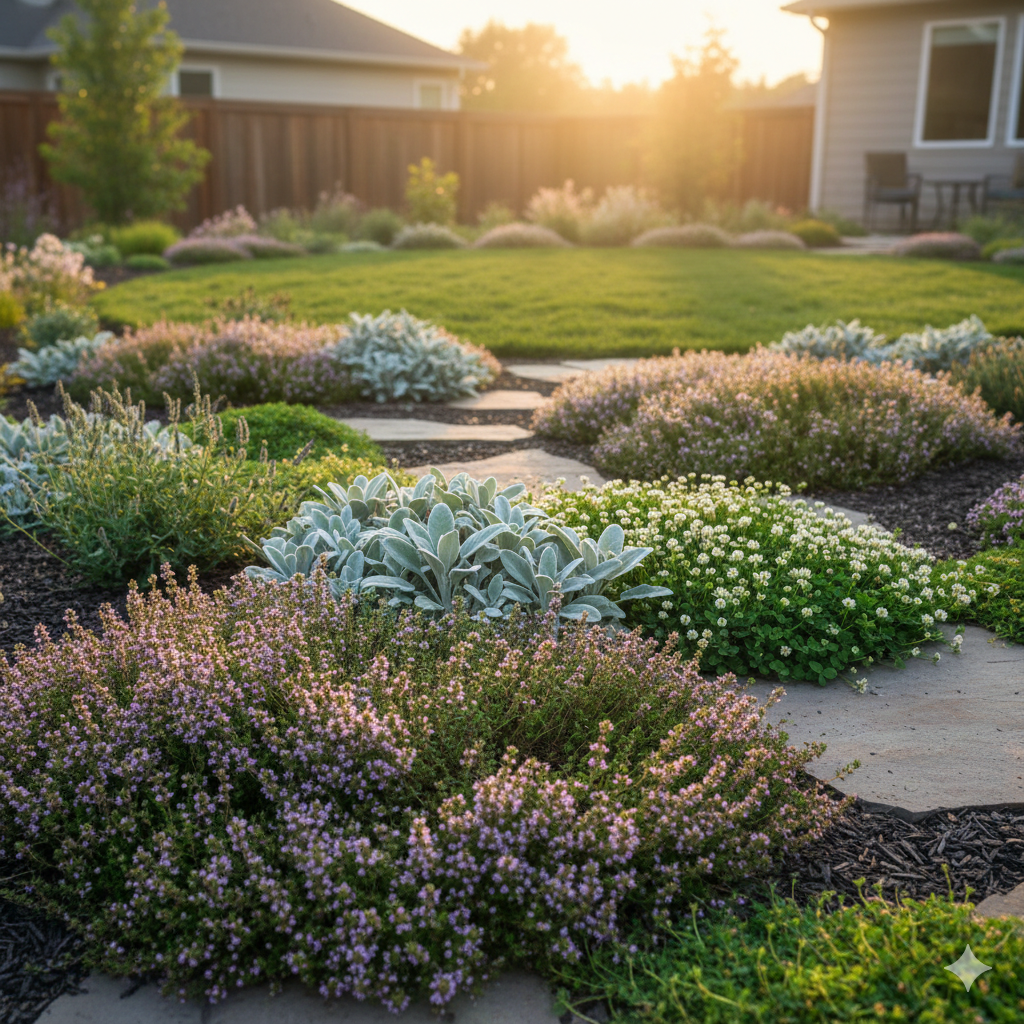
Reducing the size of your lawn and replacing some areas with groundcovers is an effective strategy to conserve water. Grass requires significant amounts of water to stay green, especially in hot climates.
Best Groundcovers for Water Conservation:
- Creeping Thyme: This fragrant herb forms a dense mat that needs little water and can withstand drought conditions.
- Clover: Clover is a hardy groundcover that needs minimal water once established and adds nitrogen to the soil.
- Lamb’s Ear: This soft, silvery-leaved plant is drought-tolerant and works well as a low-maintenance groundcover.
Groundcovers help reduce the need for excessive watering, while also providing aesthetic appeal and soil protection.
Conclusion
By following these water-saving tips, you can significantly reduce the amount of water required to maintain a beautiful lawn and garden.
From selecting drought-tolerant plants to optimizing watering methods and mulching, every step you take contributes to a more sustainable and water-efficient landscape.
Start incorporating these practices today, and enjoy a lush, green garden while saving water and money.
Read the original article in Crafting Your Home.