Best Ways to Get Rid of Cockroaches in Your Home Permanently

Cockroaches are one of the most persistent and troublesome pests to deal with in any home. Not only are they unsightly, but they also pose serious health risks, including the spread of bacteria and allergens.
In this detailed guide, we will walk you through the most effective methods for getting rid of cockroaches, providing you with step-by-step instructions for both natural and chemical solutions. Additionally, we will cover preventive measures to ensure that these pests do not return.
Why Cockroaches Invade Your Home
Cockroaches are highly adaptable creatures, able to thrive in a wide range of environments. They are nocturnal and prefer dark, moist, and warm areas. Homes provide an ideal habitat for them, especially in kitchens, bathrooms, and basements. Cockroaches can be drawn to:
- Food: Roaches are scavengers and will eat anything from crumbs to garbage.
- Water: They require moisture to survive and are commonly found near leaks, drains, or water sources.
- Shelter: Cracks, crevices, and hidden areas offer perfect shelter for roaches to hide and reproduce.
Recognizing the reasons behind a cockroach infestation can help you take proactive steps to prevent future invasions.
How to Identify a Cockroach Infestation
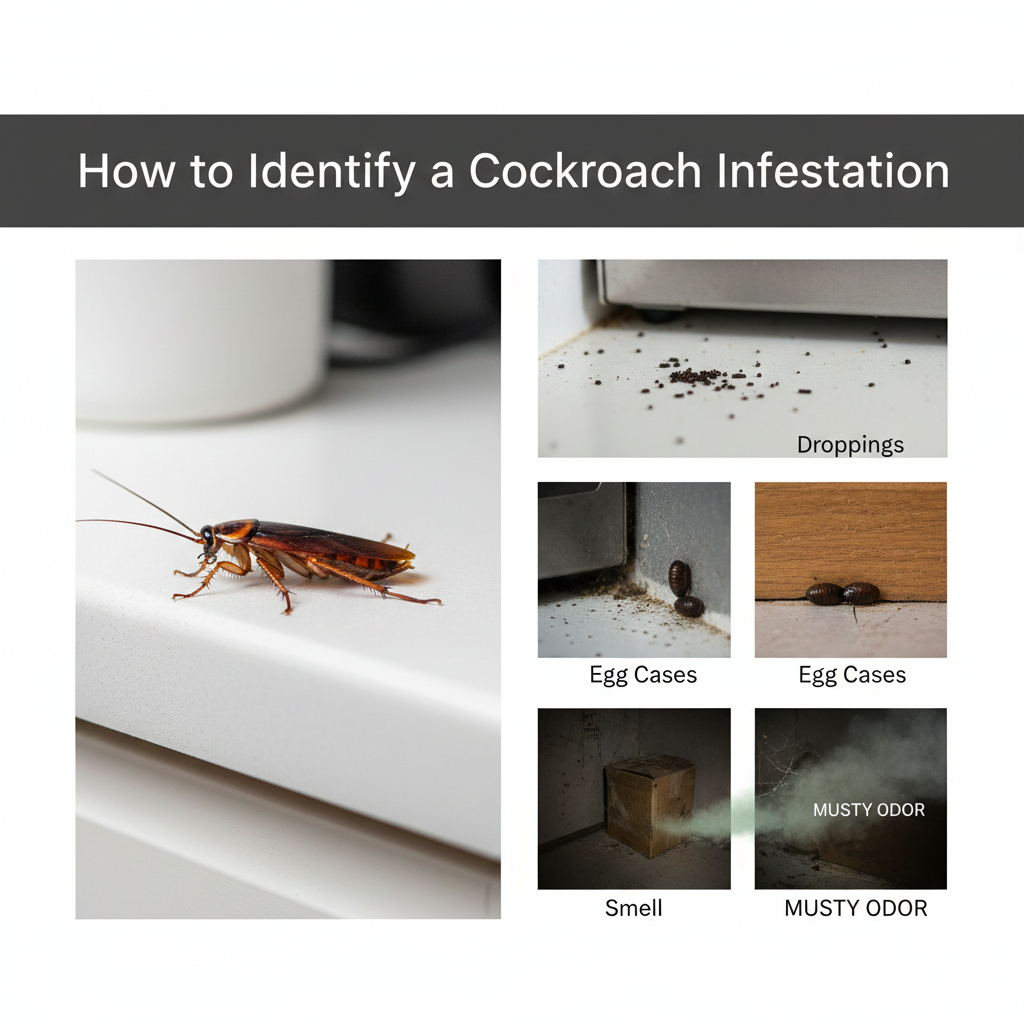
Before jumping into treatment methods, it’s crucial to confirm the presence of cockroaches in your home. Here’s how you can identify an infestation:
Physical Appearance
Cockroaches have flat, oval-shaped bodies, which make them distinctive. Their size ranges from ¾ inch to 3 inches in length, depending on the species. Cockroaches are typically brown to reddish-brown in color, with two long antennae and six legs. Their fast movement is another key feature.
Droppings
Roaches leave behind droppings that resemble small grains of pepper or coffee grounds. Larger roaches, such as the American cockroach, produce cylindrical droppings. Finding these droppings, particularly in hidden corners or under appliances, is a strong indication of an infestation.
Egg Cases
Roach egg cases, or oothecae, are small, pill-shaped capsules that are typically brown or black. They can measure about ⅓ to ½ inch long and are usually found in hidden areas like cracks in walls, under furniture, or behind appliances.
Smell
Some species, like the Oriental cockroach, produce a musty odor, which can serve as a telltale sign of their presence. This smell is often the first indication of an infestation, especially if it is strong and persistent.
Common Cockroach Species in Homes
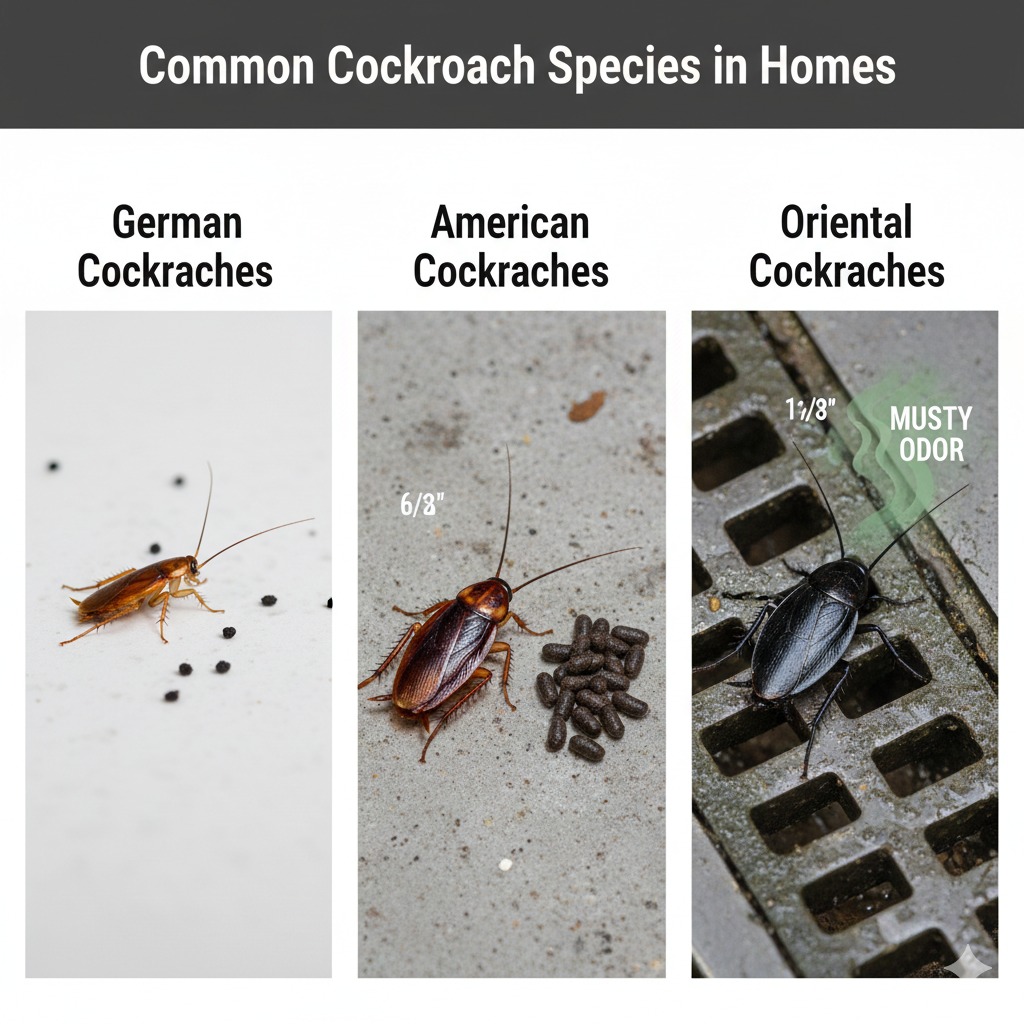
There are several species of cockroaches that can infest homes, but the most common ones in the U.S. are the German, American, and Oriental cockroaches. Understanding the type of cockroach you’re dealing with can help you choose the most effective treatment method.
German Cockroaches
German cockroaches are small, about ⅝ inch in length, and light brown. These are the most common species found indoors, particularly in kitchens and bathrooms. They are known for their ability to hide in small cracks and crevices. Their droppings resemble grains of black pepper.
American Cockroaches
American cockroaches are larger, reaching up to 2⅛ inches in length. They are reddish-brown and are capable of flying short distances. These roaches are attracted to decaying organic matter and are typically found in basements, sewers, or areas with trash and debris. They leave behind large, cylindrical droppings.
Oriental Cockroaches
Known as “water bugs,” Oriental cockroaches are about 1 ¾ inches long and black in color. They are commonly found in damp areas, such as basements, drains, and sewers. These roaches have a strong musty odor, which is a key indicator of their presence.
Effective Natural Methods for Eliminating Cockroaches
If you’re looking for a more eco-friendly approach, there are several natural methods that can effectively eliminate cockroaches. These methods tend to take longer than chemical treatments but are generally safer for humans and pets.
Boric Acid and Sugar Bait
Boric acid is a natural insecticide that kills cockroaches when they come into contact with it. By mixing boric acid with sugar, you create an irresistible bait for the roaches. The sugar attracts them, and the boric acid eliminates them.
- How to Use: Mix equal parts boric acid, sugar, and flour to create a paste. Place the paste in areas where roaches are likely to frequent, such as cracks, crevices, and behind appliances. The sugar attracts the cockroaches, while the boric acid will kill them after ingestion.
Diatomaceous Earth (DE)

Diatomaceous earth is a fine powder made from the fossilized remains of diatoms. When cockroaches walk through DE, the powder damages their exoskeleton, causing them to dehydrate and die. It’s a non-toxic solution that is safe for humans and pets when applied correctly.
- How to Use: Sprinkle a thin layer of diatomaceous earth in areas where cockroaches are active. Focus on cracks, crevices, and behind appliances. Be sure to keep the area dry, as moisture reduces DE’s effectiveness.
Essential Oils
Certain essential oils can be used as natural repellents for cockroaches. Oils like peppermint, eucalyptus, and lavender contain compounds that are toxic to cockroaches and can effectively deter them.
- How to Use: Mix 10-15 drops of essential oil (peppermint or eucalyptus) with water in a spray bottle. Shake well and spray it in areas where roaches have been spotted, such as around doors, windows, and cracks. This method works best when applied regularly.
Beer Trap
A beer trap is an inexpensive and effective way to catch cockroaches. Roaches are attracted to the scent of beer, and they will fall into the trap and drown.
- How to Use: Cut the top off a plastic bottle and invert it into the base, creating a funnel-like structure. Pour a small amount of beer into the bottom of the bottle.
The cockroaches will enter the bottle through the funnel and become trapped. Discard the trapped roaches without having to touch them.
Chemical Solutions for Cockroach Control
While natural remedies are effective, sometimes they aren’t sufficient for large infestations. In these cases, chemical solutions may be necessary to eradicate the problem.
Gel Baits
Gel baits are a popular method for killing cockroaches. These baits contain poison that roaches consume and then carry back to their hiding places, where they share the poison with other roaches. The poison works slowly but effectively, eliminating the entire colony.
- How to Use: Apply the gel bait in small pea-sized drops in areas where cockroaches are active. Place the bait behind appliances, in cracks, and along baseboards. The poison will be consumed by the roaches and spread through the colony.
Powdered Insecticides
Powdered insecticides, such as boric acid, are effective in killing cockroaches. These powders adhere to the cockroach’s body, and when they groom themselves, they ingest the poison.
- How to Use: Apply a thin layer of powdered insecticide in areas where roaches are known to hide, such as behind furniture or under sinks. Avoid applying large amounts, as roaches tend to avoid thick clumps of powder.
Sprays and Aerosols
Insecticidal sprays and aerosols provide a quick solution for killing roaches. These sprays can kill roaches on contact and can be used to treat visible roaches or to create a protective barrier around the home.
- How to Use: Spray insecticide in cracks, crevices, and areas where roaches are likely to hide. Be sure to follow the manufacturer’s instructions and keep children and pets away from treated areas.
Roach Traps
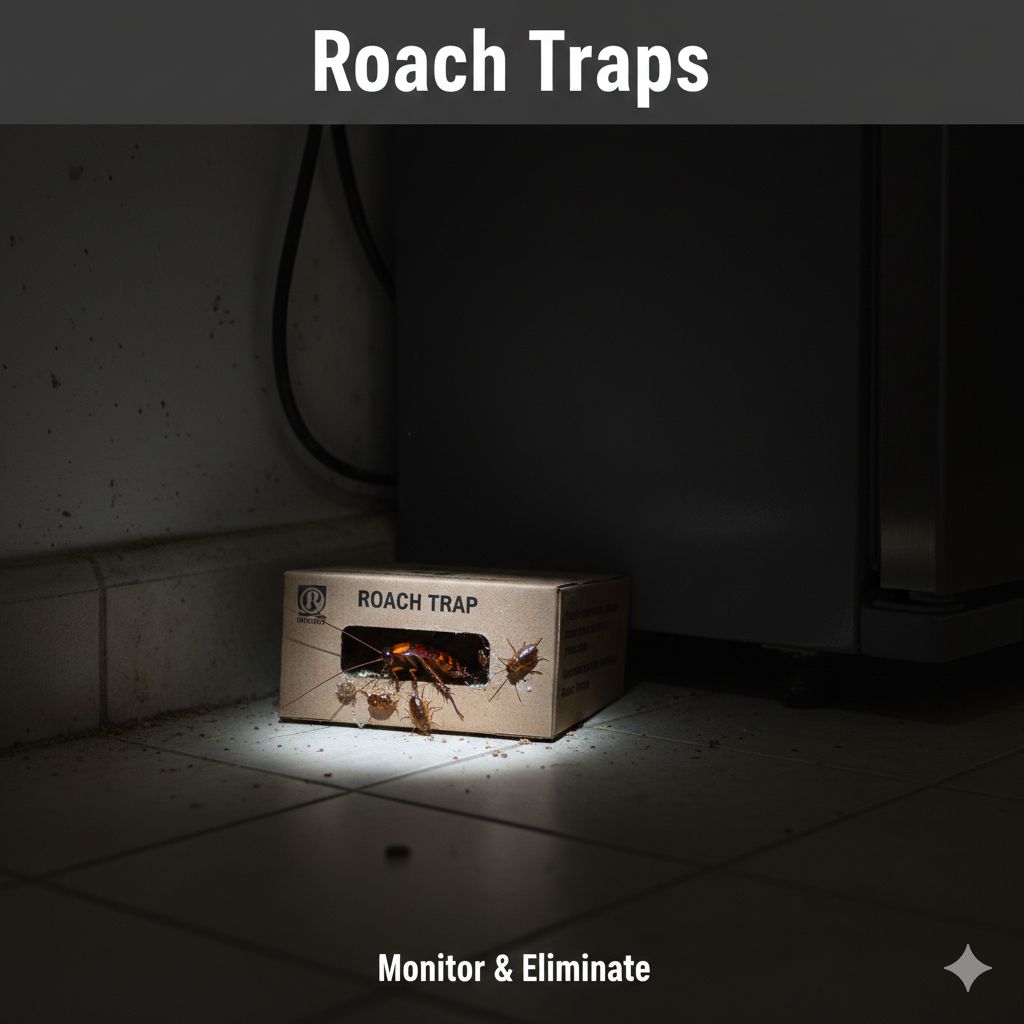
Roach traps contain attractants and poison. The cockroaches crawl into the trap, consume the poison, and die. These traps are a great way to monitor the level of infestation and provide an easy way to dispose of dead roaches.
- How to Use: Place the traps along walls, near entry points, and in areas where you have seen cockroaches. Check the traps regularly and dispose of any trapped roaches.
Preventing Future Cockroach Infestations
Once you have successfully eliminated cockroaches from your home, the next step is to implement preventive measures to keep them from returning.
Seal Entry Points
Cockroaches can enter your home through the tiniest cracks and gaps. Inspect your home thoroughly and seal any openings you find, especially around windows, doors, and plumbing fixtures. Use caulk or weatherstripping to close these entry points and prevent cockroaches from getting inside.
Maintain Cleanliness
A clean home is less inviting to cockroaches. Make sure to regularly clean your kitchen and bathroom, wiping down surfaces, removing food crumbs, and storing food in airtight containers. Take out the trash regularly and ensure that garbage cans are tightly sealed.
Eliminate Moisture
Cockroaches need moisture to survive. Fix any leaks in your plumbing and use dehumidifiers in damp areas like basements and bathrooms. Reducing excess moisture will make your home less hospitable to roaches.
Regular Inspections
Even after you’ve eradicated the roaches, it’s important to inspect your home regularly for signs of a new infestation. Look for droppings, egg cases, or live cockroaches. Early detection is key to preventing a full-blown infestation.
Conclusion
Getting rid of cockroaches requires a multi-faceted approach, combining natural and chemical methods along with preventive measures to ensure that they do not return.
Whether you opt for eco-friendly remedies like boric acid and essential oils or choose chemical solutions such as gel baits and sprays, persistence is key.
By maintaining a clean and dry environment and sealing potential entry points, you can prevent cockroaches from making a comeback. Follow this detailed guide to take control of your home and keep it free from cockroaches for good.
Read the original article in Crafting Your Home.