Best Vegetables to Grow at Home to Cut Grocery Costs in 2026

In 2026, some vegetable prices are predicted to soar, and for good reason. Extreme weather conditions have already shaken crop yields, causing prices to spike. From droughts and floods to unexpected frosts, these factors will continue to impact production in key growing regions.
The silver lining? You don’t have to let these price hikes hit your wallet hard. Instead, you can grow these essential vegetables in your backyard, ensuring both freshness and savings.
In this article, we’ll explore how you can save money by growing your own tomatoes, potatoes, broccoli, lettuce, and onions – vegetables that will see a significant price increase in 2026.
Why You Should Grow Vegetables at Home in 2026
With predicted disruptions in agricultural production and ongoing weather unpredictability, some of the most commonly purchased vegetables are set to skyrocket in price. This doesn’t just apply to luxury items but to the basics of your grocery list.
The good news is, many of these vegetables are not only easy to grow but also perfect for small-scale gardening. Whether you have a spacious backyard or a small balcony, these vegetables can thrive in containers or raised beds.
The best part? Growing your own vegetables means having control over what’s on your plate and at a fraction of the cost. If you’re looking for an affordable and rewarding hobby, gardening might be the perfect solution.
Tomatoes – A Staple That’s Worth Growing
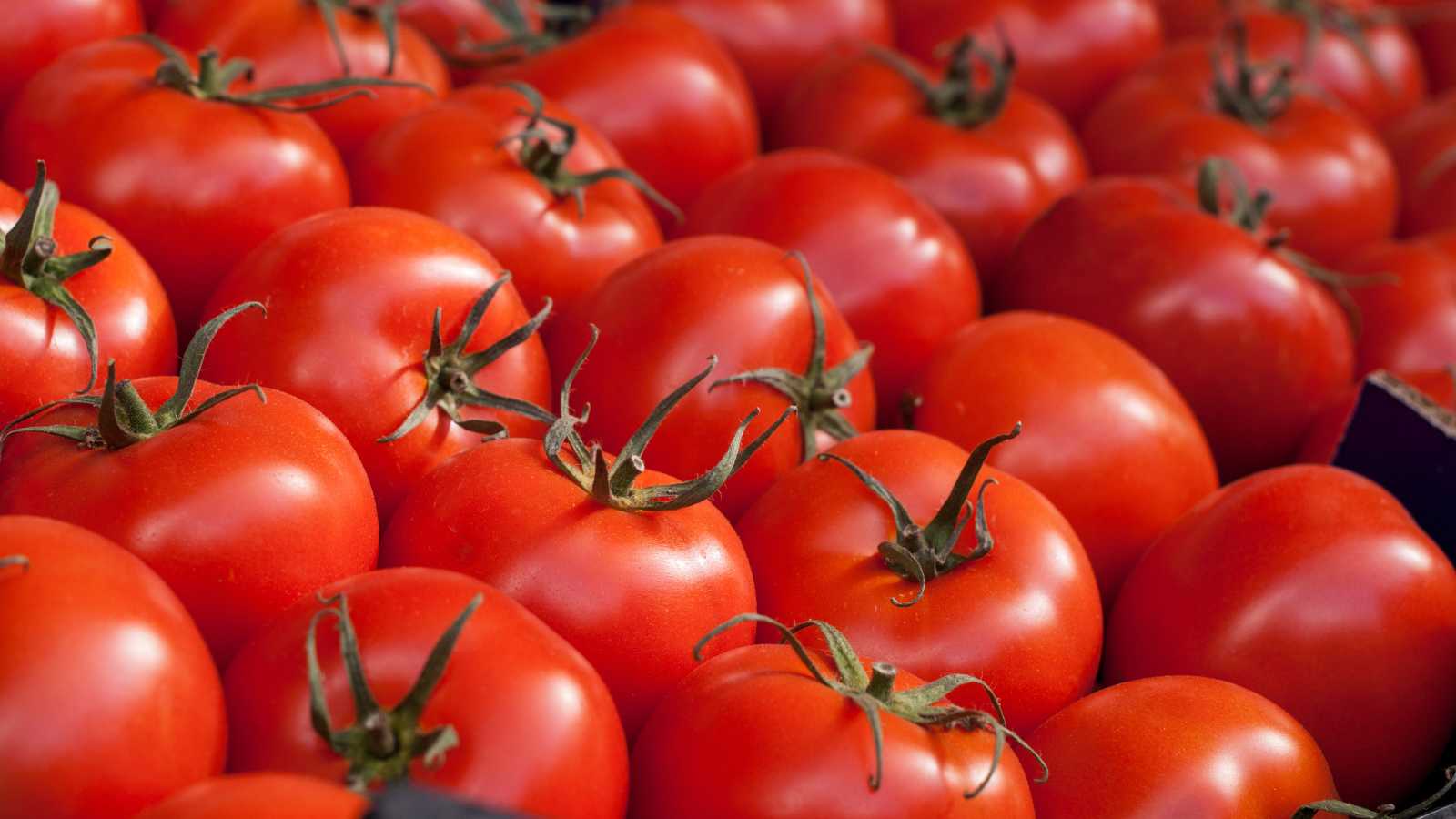
Tomatoes are among the top contenders for price hikes in 2026. With unpredictable weather in regions like Florida and Mexico, where much of the U.S. tomato supply originates, it’s expected that tomato prices will increase significantly.
However, home gardeners can rest easy because tomatoes are one of the easiest and most rewarding vegetables to grow.
How to Grow Tomatoes
Tomatoes thrive in warm temperatures and need at least six hours of sunlight each day. If you’re starting from seeds, begin indoors 6-8 weeks before your last expected frost.
When planting outdoors, make sure to wait until the risk of frost is over, typically between April and May. Tomato plants love consistent watering, so ensure the soil is kept moist, but not waterlogged.
Best Tomato Varieties to Grow
- Cherry Tomatoes: These little gems are perfect for snacking and can be grown in small spaces like pots or containers. Expect a steady harvest all summer long.
- Roma Tomatoes: Known for their rich flavor, Roma tomatoes are excellent for sauces and pastes, making them a favorite for home cooks.
- Heirloom Varieties: Want to grow something unique? Heirloom tomatoes come in various shapes, sizes, and colors, offering great flavor and a fun growing experience.
By growing tomatoes yourself, you’ll enjoy fresh, flavorful fruits without the supermarket markup.
Potatoes – A Staple with Rising Costs
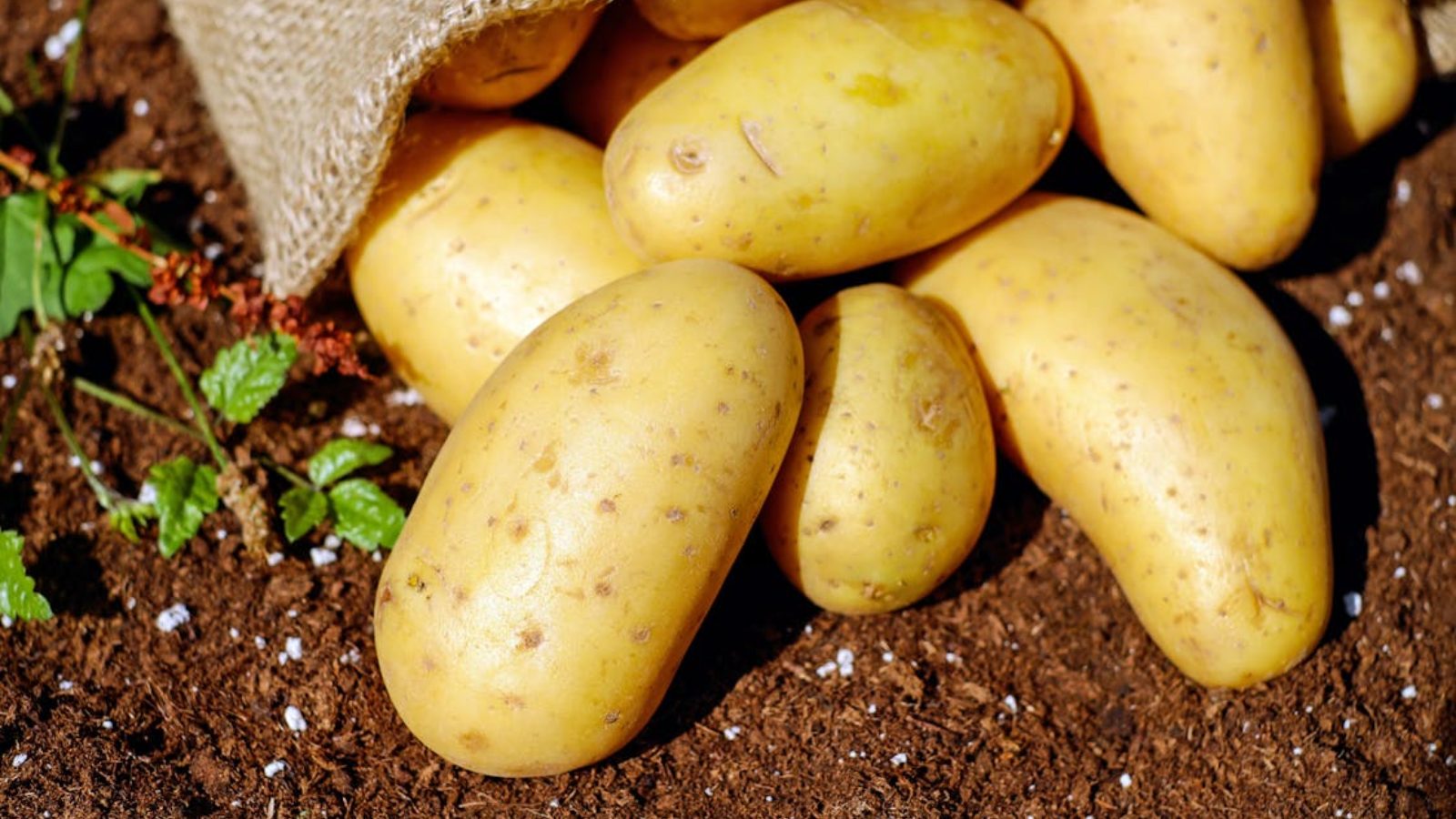
Potatoes are another vegetable seeing a significant price increase due to a combination of bad weather, lower crop yields, and transportation costs. The good news is that growing your own potatoes is relatively easy, even if you’re tight on space.
How to Grow Potatoes
Potatoes should be planted 2-4 weeks before your last frost date. They can be grown in containers, raised beds, or directly in the ground. Choose a variety that suits your growing conditions – from early-season potatoes, which mature quickly, to late-season varieties for a longer growing period.
Potatoes prefer well-drained, loose soil that can be amended with compost to provide the nutrients they need.
Varieties to Try
- Red Potatoes: Known for their thin skins and tender texture, red potatoes are perfect for boiling, baking, or roasting.
- Yukon Gold: These versatile potatoes have a buttery flavor and are great for mashing or making fries.
- Fingerling Potatoes: If you’re looking for something a little different, fingerling potatoes provide an unusual shape and rich flavor.
With a little patience, your backyard can yield enough potatoes to feed your family for months, without ever having to worry about price hikes at the grocery store.
Broccoli – The Nutrient-Packed Vegetable that’s Getting Pricier
Broccoli is not only packed with nutrients but also a versatile addition to many meals. However, its price is set to rise due to the erratic weather conditions in key growing regions. If you want to continue enjoying this healthy vegetable without breaking the bank, it’s time to start growing your own.
How to Grow Broccoli
Broccoli thrives in cool temperatures, making it an ideal crop for spring and fall. Start seeds indoors 4-6 weeks before the last frost, and transplant them into the garden once the soil can be worked.
Broccoli grows best in rich, well-draining soil, and it benefits from consistent watering to avoid bolting (early flowering). Space the plants to allow for ample air circulation and avoid overcrowding.
Best Varieties to Grow
- Sprouting Broccoli: This variety produces smaller, flavorful heads and is perfect for growing in cooler climates. You can even get multiple harvests throughout the season.
- Calabrese Broccoli: A traditional variety that produces large, tender heads, making it a favorite in the kitchen.
- Purple Broccoli: This striking variety not only adds color to your garden but also offers a unique, nutty flavor.
Lettuce – Fresh, Crisp, and Affordable to Grow

Lettuce is often grown in the “salad bowl” regions of the U.S., such as California and Arizona. When these areas face extreme weather, it directly impacts lettuce production and prices.
Fortunately, lettuce is one of the quickest-growing vegetables you can cultivate, and it’s perfect for small spaces or container gardening.
How to Grow Lettuce
Lettuce thrives in cool temperatures, making it a great early spring or fall crop. Start seeds indoors as early as February, or sow directly in the garden as soon as the soil is workable.
Lettuce needs well-drained, fertile soil and frequent watering, especially during hot spells. To prevent it from bolting (growing too quickly and going to seed), make sure to harvest your lettuce before it reaches its full size.
Best Varieties to Grow
- Romaine Lettuce: Perfect for crispy salads and sandwiches, romaine lettuce is known for its sweet, mild flavor.
- Butterhead Lettuce: Known for its tender, buttery leaves, this lettuce variety is perfect for salads and wraps.
- Leaf Lettuce: This variety is great for “cut-and-come-again” harvesting, allowing you to harvest leaves throughout the season.
Growing lettuce in your own garden means you’ll always have fresh, crisp greens without the supermarket price tag.
Onions – The Kitchen Essential That’s Increasing in Price

Onions are essential in nearly every kitchen, and their price has been rising due to poor crop yields and higher demand. Fortunately, onions are simple to grow and provide a reliable harvest when cared for properly.
How to Grow Onions
Onions are best planted in early spring, around 2-4 weeks before the last frost. You can start onions from seed, sets (small onion bulbs), or transplants. For smaller spaces, try growing onions in raised beds or containers. Onions require fertile, well-draining soil and consistent watering throughout the growing season.
Best Varieties to Grow
- Yellow Onions: The most common variety used in cooking, yellow onions have a strong flavor and are perfect for cooking and storing.
- Red Onions: Known for their milder flavor, red onions are great for salads and raw dishes.
- Sweet Onions: If you prefer a sweeter taste, try growing varieties like Vidalia or Walla Walla, which are perfect for caramelizing.
Why Growing Your Own Vegetables Is the Smart Choice in 2026
With food prices on the rise, especially in the face of unpredictable weather and ongoing supply chain issues, growing your own vegetables is more important than ever.
By cultivating tomatoes, potatoes, broccoli, lettuce, and onions in your garden, you not only avoid paying inflated prices but also enjoy the satisfaction of harvesting your own fresh produce.
Starting your own vegetable garden doesn’t have to be a daunting task. With the right planning, a little patience, and the right varieties, you can save money and enjoy delicious, homegrown vegetables all year round.
Whether you’re a seasoned gardener or a complete beginner, these vegetables are easy to grow, making them a perfect starting point for anyone looking to beat the price hikes in 2026.
So, get your hands dirty, plant those seeds, and watch your grocery bills shrink – while enjoying the fresh flavors of homegrown vegetables.
Read the original article in Crafting Your Home.