
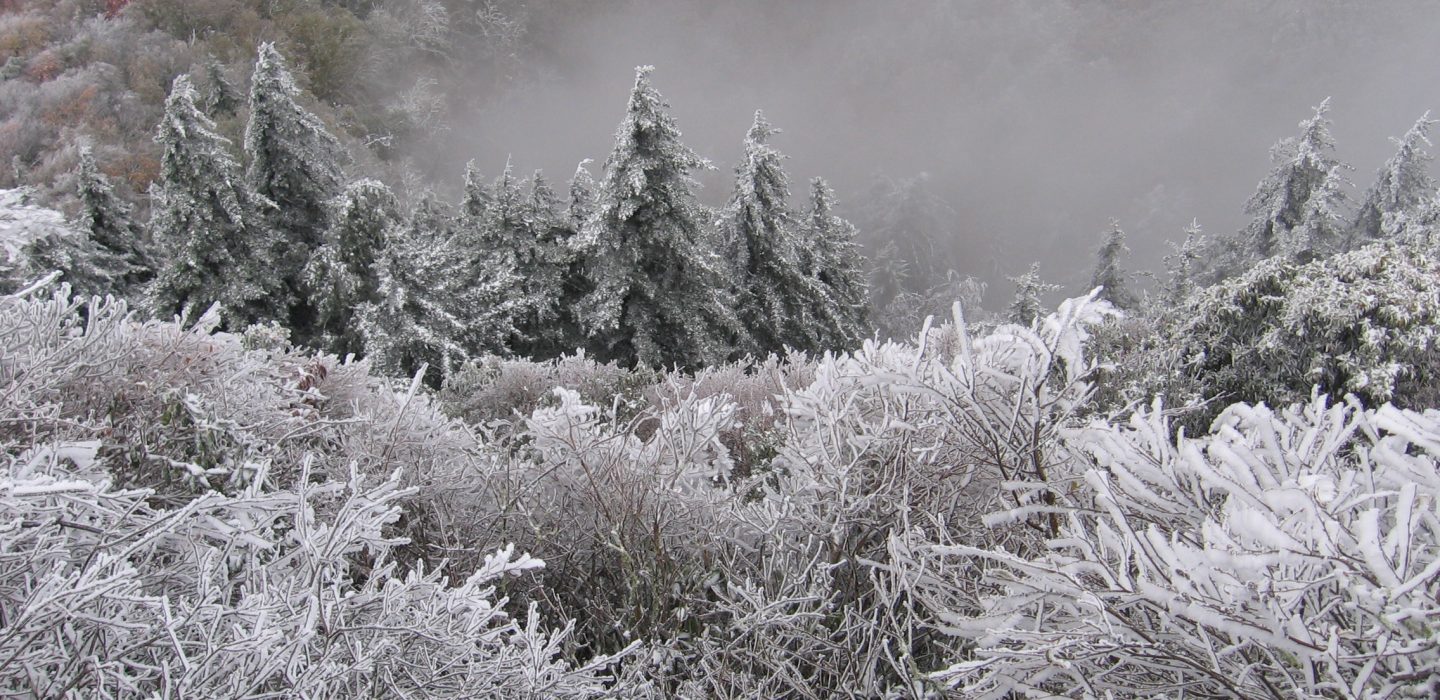


Mountain folks tend to trust the woodpile more than the weatherman, but the almanacs have weighed in anyway. The Old Farmer’s Almanac says the Appalachians should see below-normal temperatures and above-normal snowfall this winter, with the harshest stretch arriving in mid-January and February.
It is a forecast, not a promise. The almanac’s call sits alongside a very different federal outlook for much of the East, and the two are worth reading side by side before anyone cancels a ski weekend or buys a second snow shovel.
What the Old Farmer’s Almanac Says

The almanac’s 2026-27 winter forecast lays out the Appalachians in detail. The region is expected to run colder than normal, with above-normal snowfall, especially in the north. Its listed coldest periods are mid-January and mid- to late February, and its snowiest stretches are mid-January and early and late February.
Precipitation overall is forecast to come in below normal, which means the snow is expected to arrive in punchy bursts rather than a steady, soggy season. The almanac also describes a colder corridor stretching from central New England through the Appalachians and into the Ohio Valley.
Newsweek reported the update, which the almanac made on August 31, and noted that the publication expects one of the most challenging winters in the country for the region. For a wider look at how that forecast breaks down, a guide to the Old Farmer’s Almanac coldest periods by region covers the rest of the map. Readers who want to get the house ready can find ideas in a list of cozy crafts for a hygge winter.
The word “especially in the north” matters. The almanac singles out the northern sections of the range as the ones likely to take the worst of it, so a winter in the northern Appalachians could look noticeably different from one farther south along the same ridgeline.
The Farmers’ Almanac Tells a Different Story
The other famous almanac is less specific about the mountains. The Farmers’ Almanac forecast does not address the Appalachians directly. Its closest guidance is for the Northeast, where inland areas may see several rounds of heavy, wet snow, mainly in January and February, while coastal areas could get more rain or mixed precipitation.
The same almanac expects temperatures near normal across the Ohio Valley and Midwest, with quick cold snaps and brief snowy periods. It also stresses that small shifts in storm tracks and temperatures could decide whether a storm brings rain, sleet, freezing rain or snow. A regional report from Levittown Now said the Farmers’ Almanac was calling for a complicated winter for the Northeast and Mid-Atlantic and claims an 80% to 85% regional accuracy rate.
The two almanacs agree on timing at least: January and February are the months to watch, and both lean toward more snow inland than along the coast. For how the other major almanac sees the southern half of the country, see a comparison of the almanacs’ winter forecasts for the South and Texas.
El Niño Could Shift the Picture
The almanacs are not the only players in the forecasting game. The Climate Prediction Center, part of NOAA, said on October 8 that El Niño is strengthening and that it expects a strong-to-very strong event through January-March 2027, with a chance above 83%.
NOAA’s winter outlook, released October 16, points toward wetter-than-average conditions along the East Coast and above-average temperatures across much of the eastern U.S. NOAA’s Ken Graham said that a very strong El Niño would likely bring a southward and eastward shift to the jet stream. That tilts the odds toward a stormier South rather than a snowier mountain range, as laid out in a summary of NOAA’s winter outlook and El Niño.
The agency’s discussion does not make a specific statement about U.S. winter impacts, and it notes that effects consistent with El Niño are more likely but far from certain. Anyone planning ahead can think of the almanac as the cold-weather scenario and NOAA as the milder one.
Getting Ready Either Way
Whichever forecast wins, mountain winters tend to reward the prepared. A tune-up of the house can start with a set of energy-efficient home improvement tips, and the garage can be sorted with the help of best practices for seasonal storage. For the road, NHTSA’s guidance in a list of winter driving don’ts starts with not crowding a snowplow.
The almanac’s mid-January and February warning leaves plenty of time to prepare. If it turns out right, the Appalachians will have a long, white second half of winter. If NOAA is right instead, the shovels may stay in the shed a little longer. Either way, the first real answer will arrive the old-fashioned way, one snowfall at a time.
Get stories like this by email. Sign up for Crafting Your Home.
This article was produced with AI assistance and edited for accuracy against the sources linked above.
Image: Jrmichae – CC BY-SA 4.0/Wikimedia Commons


