


The post Americans Warned Not to Ignore Growing Calls to Stock Up on Emergency Supplies first appeared on Crafting Your Home.
What would happen if your home suddenly lost electricity, running water, and internet access? For many American households, that question is becoming an important part of emergency planning.
Recent warnings about stocking up on essential supplies have renewed attention to how families prepare for unexpected disruptions. In October 2026, former FBI Deputy Director Dan Bongino encouraged Americans to prepare for possible interruptions to everyday services.
His remarks came amid an updated British government preparedness campaign and reports about the Pentagon’s efforts to make military installations more self-sufficient during major disruptions.
However, these developments do not mean officials have announced an imminent nationwide emergency.
For American homeowners, the message is more practical: having basic supplies ready before services are interrupted can make an unexpected situation easier to manage.
Here are seven household essentials and preparations worth paying attention to.
Emergency Water Supplies Shouldn’t Be an Afterthought
Water is one of the most important supplies to consider when preparing for a disruption to everyday services.
If running water becomes unavailable, a household’s stored supply becomes especially important.
According to the Centers for Disease Control and Prevention, households should store at least one gallon of water per person per day for three days. The agency also recommends keeping a two-week supply when possible.
For a family of four, the minimum three-day recommendation amounts to 12 gallons.
This simple calculation illustrates why preparation requires more than keeping a few bottles in the refrigerator.
The practical starting point is determining how much water your household would need and identifying a suitable place to store it.
A Full Refrigerator Isn’t the Same as an Emergency Food Supply

Most households already have food in their kitchens, but that doesn’t necessarily mean they’re prepared for an extended power interruption.
Refrigerated products and meals requiring ordinary cooking equipment may not be practical when electricity and other essential services are unavailable.
The federal government’s Ready.gov emergency kit guidance recommends keeping at least three days of nonperishable food.
A manual can opener is another useful item when canned products are part of the household’s emergency supplies.
The goal isn’t to fill every available cupboard with extra groceries.
Instead, families can review what they already own and gradually build a supply of familiar, shelf-stable items.
It’s a manageable approach that doesn’t require a major shopping trip.
Related Post: Home Improvement Loans: Get the Funds You Need to Make Your Dream Home a Reality
Emergency Radios Deserve More Attention
When electricity goes out, access to information can become just as important as access to household supplies.
Many Americans depend on phones and internet-connected devices for updates about events in their communities.
But relying entirely on those devices can create difficulties when power or communications services are interrupted.
Emergency preparedness guidance recommends having a battery-powered or hand-crank radio available.
A radio with NOAA Weather Radio capability can provide another way to receive important updates.
The Ready.gov emergency checklist includes emergency radios among recommended household supplies.
For families preparing their homes, this is a reminder that emergency planning should include ways to stay informed, not simply items to eat or drink.
Dead Batteries Can Make Emergency Equipment Useless
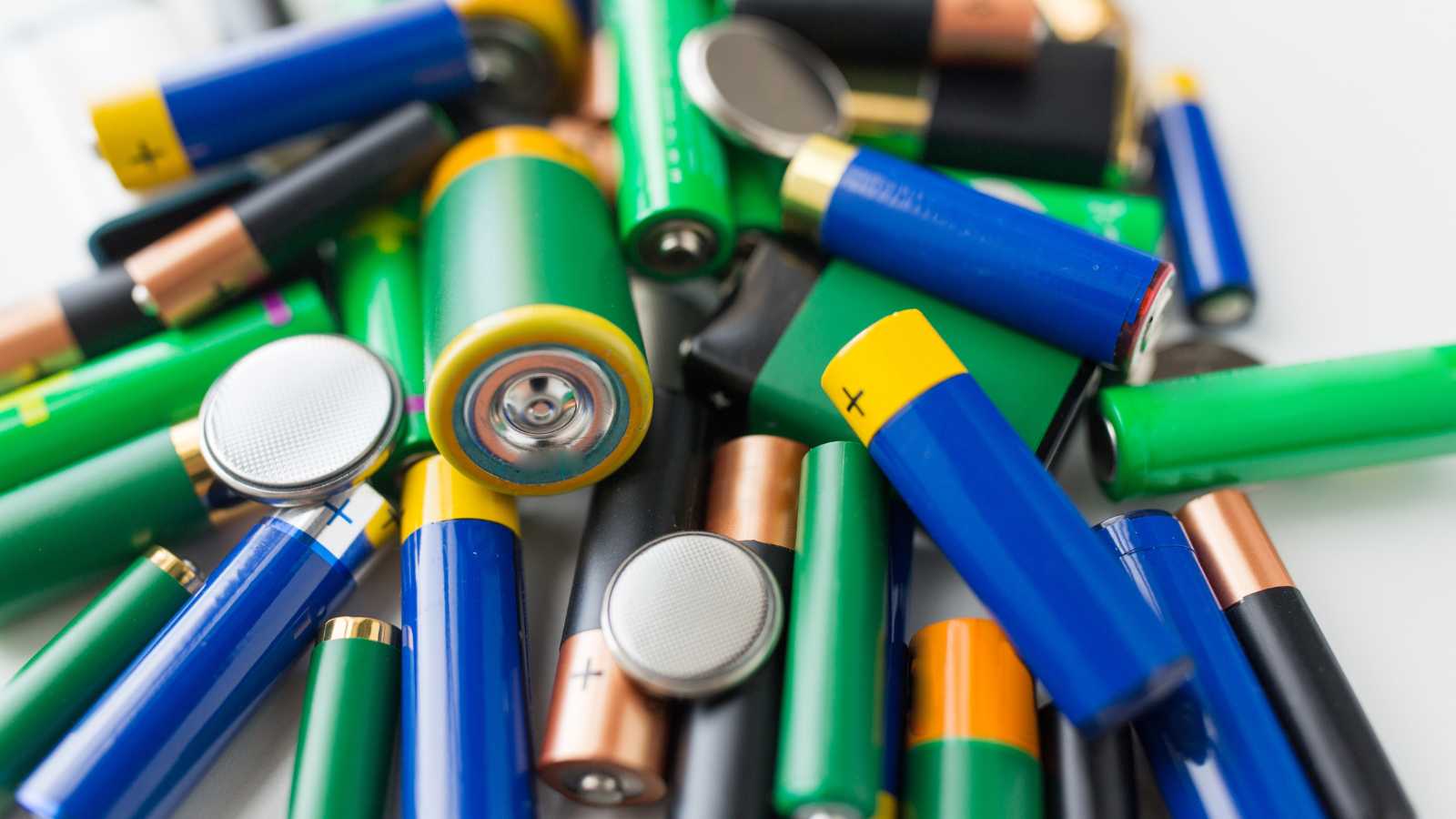
A flashlight may already be sitting in a kitchen drawer or garage, but that doesn’t guarantee it will be ready when needed.
During an electricity interruption, lighting and charging equipment become especially useful.
Official preparedness recommendations include flashlights, spare batteries, and portable charging equipment.
The British government’s October 2026 preparedness campaign also encouraged households to keep practical supplies available for temporary service disruptions.
One of the simplest preparation steps is checking equipment that is already in the house.
Families can locate their flashlights, check their batteries, and make sure portable chargers are ready.
Preparedness doesn’t always mean buying something new. Sometimes, it means making sure existing supplies actually work.
Important Information Shouldn’t Exist Only on Your Phone
Phones have become a convenient place to store contact information, documents, and everyday reminders.
However, an emergency plan shouldn’t depend entirely on one electronic device.
The Federal Emergency Management Agency encourages households to develop communication plans and keep important contact information accessible.
This includes thinking about how family members will communicate if their usual methods become unavailable.
The federal Ready.gov preparedness resources also encourage families to understand their local risks and establish practical emergency arrangements.
For homeowners, this preparation can begin with something as simple as organizing important household information.
Knowing where essential documents are stored and how family members can reconnect provides another layer of preparation.
Related Post: America Boasts Nearly 3,947 Calories Available Per Person Daily. Would a 3-Day Emergency Even Matter?
Emergency Supplies Should Match Your Household’s Needs
An emergency kit isn’t necessarily complete just because it contains water, food, batteries, and a flashlight.
Different households have different everyday responsibilities.
Families with children or pets, for example, may need additional supplies beyond a standard emergency checklist.
FEMA’s emergency kit guidance recommends considering the specific needs of household members when gathering supplies.
That makes a personalized checklist more useful than simply copying someone else’s shopping list.
Households can begin by reviewing the items they rely on regularly and deciding which would be needed during a temporary interruption.
The goal is to create a practical supply arrangement that reflects how the household actually operates.
Stockpiling Supplies Isn’t Enough Without a Family Plan
Even a well-stocked pantry cannot answer every question that might arise during an emergency.
What happens if family members are away from home? How will they communicate? Where will they meet if normal arrangements are disrupted?
These are the kinds of questions emergency planning is intended to address.
FEMA recommends establishing family communication arrangements, identifying meeting locations, and understanding emergencies that could affect the local area.
Its official emergency planning guidance encourages households to make these decisions before an unexpected situation occurs.
A useful plan doesn’t need to be complicated.
It should help family members understand where important supplies are kept, how to reach one another, and what arrangements they have agreed upon.
Why Are Americans Hearing Different Stockpiling Timelines?
Recent preparedness headlines have mentioned three-day, 30-day, and even 90-day emergency plans.
However, these figures refer to different circumstances.
The British government’s October 22, 2026, preparedness campaign encouraged households to prepare for at least three days of disruptions.
Bongino’s October 2026 remarks advocated a longer, 30-day household preparedness buffer.
Separately, reporting on the Pentagon’s FORTRESS initiative described efforts to help military installations maintain essential operations independently for at least 90 days.
That military planning target is not an instruction for American families to stockpile 90 days of groceries.
The difference is important because preparedness advice can easily sound more alarming when its original context is overlooked.
What American Households Should Do Next
The growing attention surrounding emergency supplies offers an opportunity for Americans to review how prepared their homes already are.
Official guidance supports practical preparation rather than panic-buying.
Starting with available supplies, identifying missing essentials, and developing a household communication plan can make the process more manageable.
The important takeaway isn’t that a nationwide disaster has been confirmed. It’s that temporary interruptions to essential services are worth preparing for before they happen.
For American families, a little organization today may prevent unnecessary confusion when everyday services are disrupted.
Other Posts You May Like
If you like what you just read, then subscribe to our newsletter and follow us on social media.


