
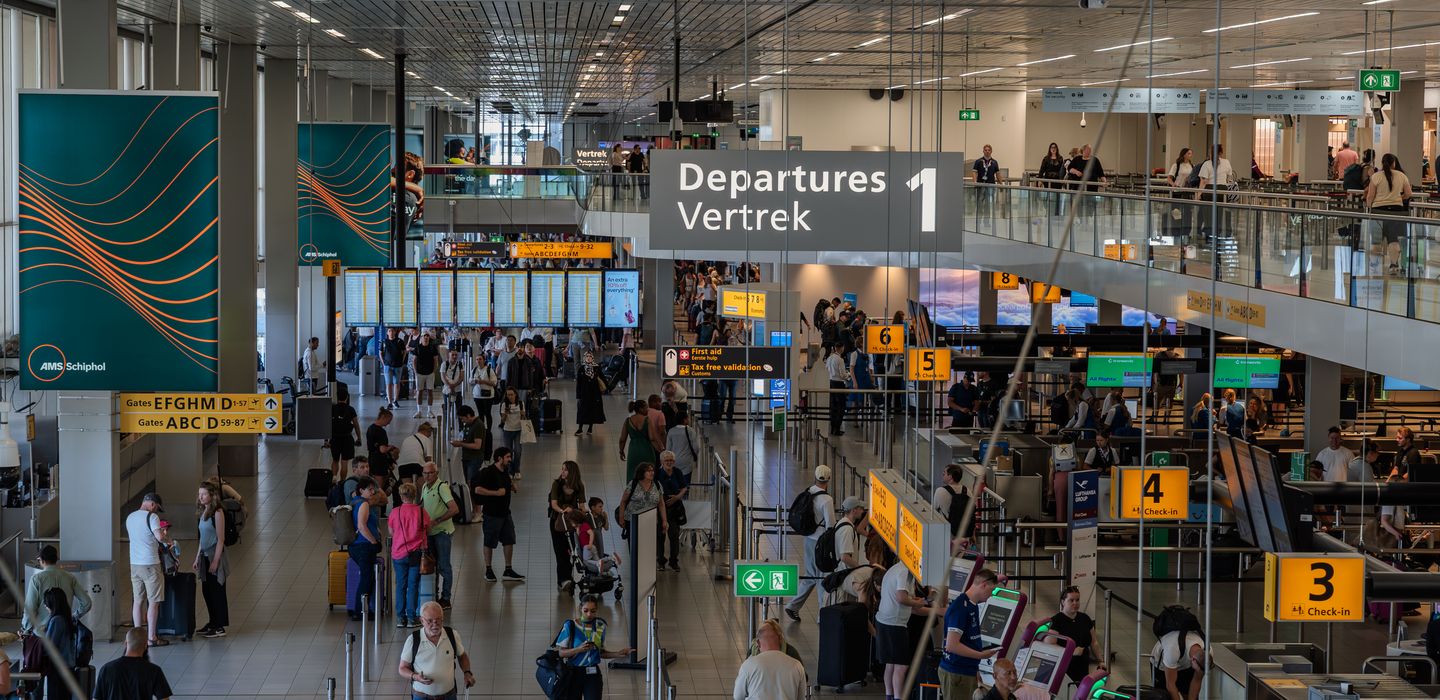

Europe’s summer travel season is being overshadowed by a blunt and unusually urgent warning from one of the continent’s top aviation figures.
Just as millions of tourists prepare to fly into Europe, airport leaders are raising an alarm that the new Entry/Exit System is struggling under pressure, creating uncertainty about whether airports can handle the peak travel surge.
Stefan Schulte, head of ACI Europe, the region’s airport industry association, has publicly warned that the system is not functioning as smoothly as expected.
His comments reflect growing concern inside the aviation sector, where executives say they are facing “sleepless nights” over how border processing will cope with the summer rush of international arrivals.
The warning has turned what was already a controversial border upgrade into a full-scale operational concern for airports, airlines, and travelers.
What the airport industry is warning about

The European Union’s Entry/Exit System was designed to modernize border control by replacing traditional passport stamping with biometric registration.
Travelers entering the Schengen Area now undergo facial scanning and fingerprint verification, creating a digital record of movement across European borders.
But according to airport industry leaders, the rollout is proving far more complex than anticipated.
Schulte’s warning highlights a growing gap between policy expectations and operational reality. Airports are reporting significant slowdowns in passenger flow at border checkpoints, particularly during peak arrival windows when multiple international flights land within minutes of each other.
The issue is not just technical. It is logistical. Airports must now process large volumes of travelers through systems that require additional steps per passenger, increasing the time needed for each border interaction.
Why “sleepless nights” matter for airports
When aviation executives describe “sleepless nights,” it reflects more than frustration. It signals operational risk.
Airports operate on tightly timed systems where delays at one checkpoint can cascade across the entire travel network.
If passengers spend longer at border control, baggage claim congestion increases, flight connections become tighter, and ai