


The world of muscle cars is filled with legends, roaring V-8 engines, aggressive styling, and a legacy of power that defined an era of automotive history. But among the many iconic vehicles that emerged from the muscle car era, a select few stand out not only for their immense power but also for their rarity.
These rare muscle cars are the holy grails of the automotive world, with production numbers so low that owning one is akin to possessing a piece of history. These vehicles are more than just cars, they are prized collectibles, shrouded in myth, mystery, and immense value.
Let’s take a deep dive into four of the rarest muscle cars ever produced and explore the unique stories that make them so legendary.
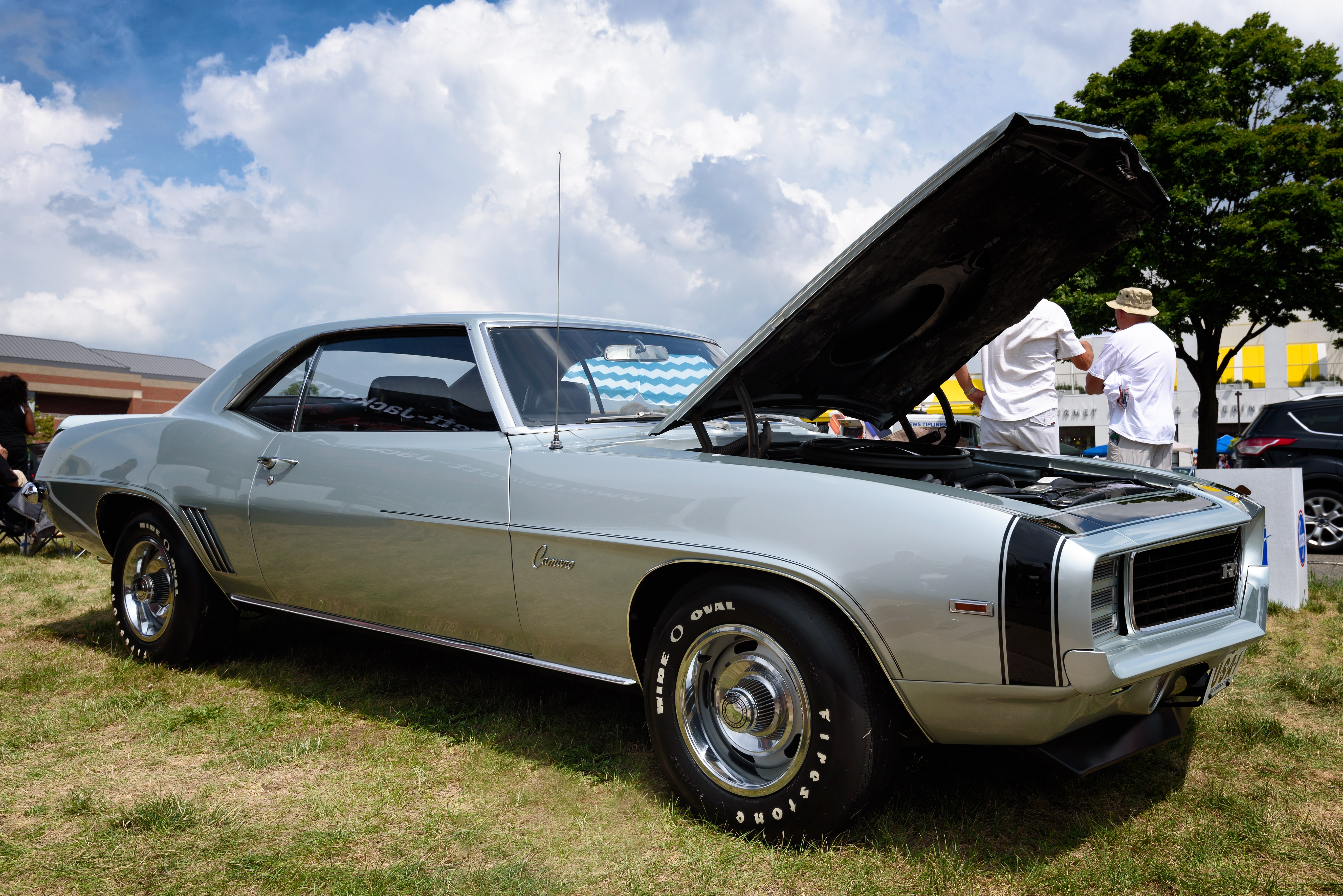
1969 Chevrolet Camaro ZL1
1970 Chevrolet Chevelle SS 454 LS6 Convertible
The 1970 Chevrolet Chevelle SS 454 LS6 Convertible is one of the most powerful passenger cars Chevrolet ever produced, packing an incredible 450-horsepower big-block V-8 engine. While over 4,400 of the coupe versions were built, the convertible version with the LS6 engine is considered one of the rarest muscle cars ever made, with estimates suggesting fewer than 20 units were ever produced.
Because of its insane power and the lack of clean production records, the LS6 Chevelle Convertible is one of the most “cloned” muscle cars in history, with countless attempts to replicate its appearance. However, finding an original numbers-matching LS6 convertible remains a remarkable feat, and when one does surface, it can easily sell for half a million dollars or more at auction. This muscle car is not only a monster of performance but also a true piece of American automotive history.
1967 Shelby GT500 Super Snake

The Shelby GT500 is an iconic name in muscle car circles, but the 1967 Shelby GT500 Super Snake stands as an exceptional outlier. Built by Carroll Shelby, this vehicle was originally intended as a high-performance prototype, showcasing what would happen if Shelby combined the Ford Mustang with the incredible 427 cubic-inch V-8 engine from the Ford GT40 race car.
What resulted was a car capable of exceeding 170 mph, an incredible feat for its time. Originally, Shelby had planned to produce 50 of these cars, but only one was ever built, primarily due to the steep $5,000 price tag, a price that scared away buyers in the late 1960s.
Today, this one-of-one prototype is regarded as one of the most expensive Mustangs ever sold. In 2019, it fetched a staggering $2.2 million at auction, cementing its status as a unique piece of automotive history. The Shelby GT500 Super Snake represents the ultimate “what-if” of the muscle car era and is a dream find for any car enthusiast or collector.
1970/71 Plymouth Hemi ‘Cuda Convertible
The Plymouth Hemi ‘Cuda Convertible from the early 1970s is one of the rarest and most sought-after muscle cars in the world, with only 21 units produced across both model years, 9 in 1970 and 12 in 1971. This car’s rarity is tied directly to its 426 Hemi engine, a powerhouse capable of producing breathtaking performance but also costing a small fortune at the time, approximately $833, which would be nearly $7,000 today.
The Hemi ‘Cuda was more than just a muscle car, it was a race car for the street. Its rarity is compounded by the fact that many of these convertibles didn’t survive the brutal driving habits of their owners. As a result, genuine Hemi ‘Cuda Convertibles now fetch upwards of $3 million to $4 million at auction. This muscle car is considered the epitome of E-body Mopar muscle, combining the raw power of the Hemi engine with the luxury and allure of a convertible top.
Conclusion
These four muscle cars exemplify the intersection of scarcity and performance, two elements that have elevated them to legendary status. While some were born out of engineering curiosity, others were the result of market conditions and the high cost of production.
Today, these rare gems not only represent a time when muscle cars were king, but they also command prices that reflect their place in automotive history. Whether it’s the Shelby GT500 Super Snake or the Plymouth Hemi ‘Cuda Convertible, these vehicles are much more than just cars; they are relics from a time when muscle ruled the road.


