
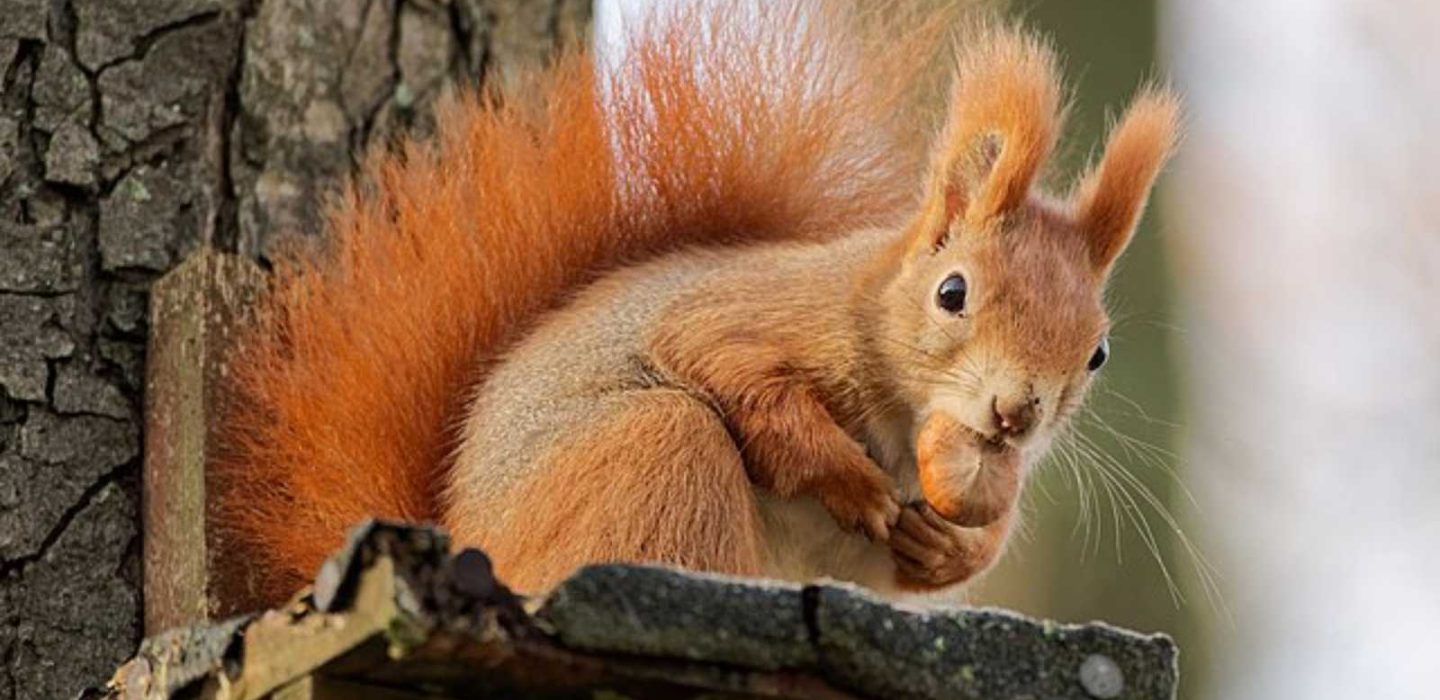

You spend months nurturing your heirloom tomatoes, only to find a single, spiteful bite taken out of the best one. Sound familiar? According to a 2018 survey, 48% of urban orchard partners reported squirrels as a “major problem,” with squirrels stealing nearly one-fifth of their yields. Trends from 2025 indicate the battle is heating up, with vegetable growers reporting rodent damage is “worse than normal” due to expanding populations.
Roger Baldwin, a wildlife specialist from UC Davis, notes that rodent damage to irrigation and crops can exceed $100 million annually in some sectors. But before you build a moat, try biology. I’ve compiled a list of botanical bouncers that work 24/7. Ready to reclaim your yard?
Daffodils (Narcissus)

You might see a cheerful yellow flower, but squirrels see a toxic buffet they want no part of. Daffodils contain lycorine, an alkaloid that is poisonous and incredibly bitter to small mammals. Unlike tulips, which are basically squirrel candy, these bulbs stay untouched.
Plant them in a “ring of fire” around your tasty bulbs or veggies. They thrive in USDA Plant Hardiness Zones 3–8 and require almost no maintenance. Honestly, planting these is the easiest win you’ll get this season.
Alliums (Ornamental Onions)
Ever notice how nobody steals onions from the garden? Alliums pack a sulfurous punch that overwhelms a squirrel’s sensitive nose, effectively masking the scent of the plants you actually want to protect. They look like giant purple lollipops straight out of a Dr. Seuss book, which is a major bonus.
Gardeners use them as “scent camouflage” by interplanting them with vulnerable lilies or tulips. They need full sun and well-drained soil, making them perfect sentinels for your sunny borders.
Fritillaries (Crown Imperial)

If you want the heavy artillery, look no further than Fritillaria imperialis. These dramatic blooms emit a skunky, musky odor that signals “danger” to rodents. I planted these near my front gate, and the digging stopped almost overnight.
Just a heads-up: they smell strong to humans, too, if you get close. Plant them downwind of your patio in zones 5–9.
Hyacinths
We love their heady spring perfume, but to a squirrel, that intense fragrance is sensory overload. Combined with potential skin irritation from the bulbs (thanks to oxalic acid), hyacinths are a “do not touch” zone for paws and noses.
Plant these densely to create a fragrance barrier. Just wear gloves when you handle the bulbs, or you might end up with “hyacinth itch” yourself.
Marigolds (Tagetes)
