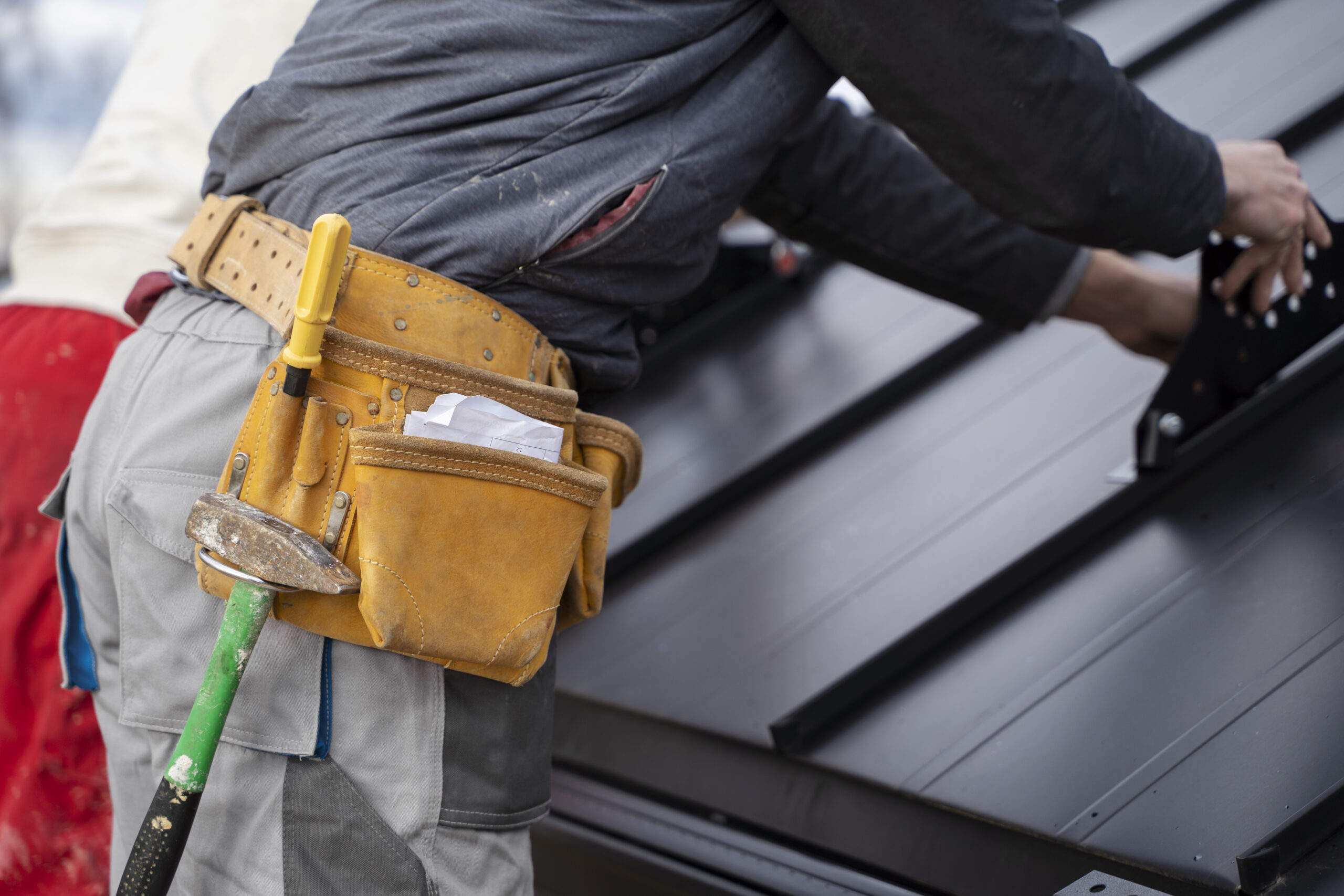
DIY projects can be incredibly satisfying, but there are moments when fixing things around the house on your own might not be the best choice.
While the idea of saving money and learning new skills is alluring, some DIY fixes can have lasting adverse effects on your home and even your safety.
In this article, we explore some of the most questionable DIY repairs, why they can go wrong, and how to approach home improvement projects responsibly.
Electrical Repairs
Photo Credit: rawpixel.com/freepik
The Dangers of DIY Electrical Work
One of the riskiest DIY repairs involves anything to do with electricity. Whether it’s wiring a new light fixture, installing an electrical outlet, or attempting to fix a broken circuit, the consequences of a poor electrical repair can be catastrophic.
Electrical systems are complex and dangerous. Without proper training, it’s easy to overlook critical factors such as grounding, wire gauge compatibility, and circuit load.
An incorrectly wired outlet could overload a circuit, leading to fires, or an improperly grounded system could result in electrocution. Additionally, local building codes require licensed electricians to perform specific electrical work, ensuring that repairs meet safety standards.
Safe Alternatives
While it’s tempting to take on electrical repairs yourself, it’s safer to hire a certified electrician for anything that involves working with your home’s electrical system.
For simpler tasks, such as changing a lightbulb or replacing a fuse, it’s usually fine to go ahead with minimal risk. However, when it comes to rewiring, installing outlets, or handling anything that connects to your home’s power grid, it’s essential to call in a professional.
Plumbing Repairs
DIY Plumbing Repairs: When Good Intentions Go Wrong
Plumbing issues like leaks, clogged drains, or broken pipes often seem like easy fixes. However, many DIY fixes can make the problem worse. Leaks, in particular, can lead to water damage, mold growth, and structural issues if not handled properly. A poorly sealed pipe can flood your basement, causing thousands of dollars in repairs.
Why It’s Risky
Plumbing systems are typically concealed within walls and under floors, making it difficult to assess the full scope of the damage. A simple leak might seem like an easy fix, but without understanding the root cause, a DIY attempt could make the problem worse.
Additionally, plumbing codes and regulations are in place to ensure water systems are installed correctly to avoid contamination or leaks. Attempting to bypass these codes can lead to fines and further complications.
Safe Alternatives
If you’re dealing with a simple clog, it’s usually fine to try a DIY solution with a plunger or drain snake. For leaks, however, it’s essential to hire a plumber who can correctly identify the source and prevent additional damage. A professional can replace broken pipes, install new fixtures, and ensure compliance with plumbing codes, keeping your system safe and effective.
Roofing Repairs
Photo Credit: Freepik
The Risk of DIY Roof Repairs
Roofing is one of the most dangerous DIY tasks. From slipping off the roof to improperly sealing a leak, DIY roofing repairs can pose significant risks to your personal safety and your home’s health. A compromised roof can result in water damage, rot, and structural instability.
Why It’s Risky
Roof repairs require specialized tools and expertise. A leaking roof may seem like an easy fix, but patching it incorrectly can cause further damage over time. Water can seep into structural components, weakening them and potentially leading to collapse. Furthermore, improper sealing can allow moisture to build up, creating a breeding ground for mold and mildew.
Safe Alternatives
Hiring a professional roofer ensures that the work is done correctly and safely. A licensed roofer understands the complexities of roof repair and the materials required to maintain a watertight seal. In addition, they can assess the roof’s overall condition and identify potential problems that may not be immediately visible.
Wall Demolition
The Trouble with DIY Demolition
Knocking down a wall to create an open-plan living space is a fun and straightforward project. However, there are numerous risks involved when you decide to take a sledgehammer to your walls. From hitting hidden electrical wiring to causing structural damage, DIY demolition can lead to expensive and dangerous consequences.
Why It’s Risky
Many walls, especially load-bearing ones, are integral to a building’s stability. Removing or altering them without professional guidance can destabilize the entire structure. Additionally, walls may hide crucial systems, such as plumbing and wiring. Striking these systems during demolition can lead to significant damage and costly repairs.
Safe Alternatives
Before starting any demolition project, consult with a contractor or structural engineer to ensure the wall is safe to remove. If the wall is load-bearing, it’s essential to hire a professional to install supports. Professionals have the necessary equipment and expertise to ensure that your demolition project is completed safely, with minimal risk to the structure.
Flooring Installation
Photo Credit: diana.grytsku/freepik
The Pitfalls of DIY Flooring Installation
Installing new flooring can significantly improve a room’s aesthetics, but improper installation can quickly lead to problems. Whether you’re laying tile, hardwood, or vinyl, the process requires precision. An uneven floor or improperly cut tiles can lead to significant repairs down the line.
Why It’s Risky
Installing flooring involves more than just cutting and laying materials. Proper subfloor preparation is key to ensuring a long-lasting installation. If the subfloor is not leveled or cleaned correctly, the flooring can warp, shift, or even crack over time. Additionally, failure to leave proper expansion gaps or to use the right adhesive can cause flooring to shift or buckle.
Safe Alternatives
If you’re determined to install flooring yourself, ensure you follow the manufacturer’s instructions meticulously and use the correct tools. However, for the most reliable results, it’s best to hire a flooring professional who can ensure a seamless installation that stands the test of time.
Window and Door Replacement
DIY Window and Door Installation Challenges
Replacing windows and doors might seem like a cost-effective DIY project, but improper installation can lead to a drafty home, increased energy bills, and even water damage. If doors or windows are not correctly sealed, they will not only fail to protect your home from the elements but also reduce its overall energy efficiency.
Why It’s Risky
Poor installation can result in gaps between the frame and the wall, allowing air and water to enter. Over time, this can lead to increased utility costs and moisture damage. Additionally, misalignment can cause issues with the door or window’s functionality, leading to further repairs down the line.
Safe Alternatives
While window and door installation might seem manageable, the precision required to do it right means that hiring a professional will likely save you money in the long run. A certified installer will ensure that your windows and doors are perfectly aligned and properly sealed, preventing future problems.
Painting
Photo Credit: rawpixel.com/freepik
Painting Errors You Should Avoid
While painting is often seen as an easy DIY project, it’s surprisingly easy to make mistakes. Poor surface preparation, choosing the wrong paint type, or misapplying coats can ruin the finish and lead to uneven coverage or peeling over time.
Why It’s Risky
Even with the best intentions, many DIY painters miss crucial preparation steps. Failing to clean and prime surfaces properly can result in poor adhesion, leading to peeling or cracking paint. Additionally, using the wrong type of paint for a given surface can compromise the finish and make the job more difficult.
Safe Alternatives
For a flawless paint job, it’s best to hire a professional painter who understands the nuances of different surfaces and finishes. A professional will take the time to properly prepare surfaces and apply the appropriate paint, ensuring a smooth, long-lasting finish.
Hiring a Professional
Knowing When to Call the Experts
While DIY projects can be fun and educational, it’s essential to know when to step back and hire a professional. Certain home repairs and improvements are too complicated, too dangerous, or too crucial to trust to inexperience. By recognizing when to call in a professional, you can save time, money, and potentially your home.
Conclusion
DIY projects should be approached with care and caution. While many minor repairs can be done safely at home, it’s important to recognize when a task requires professional expertise.
From electrical work to plumbing and beyond, some repairs are too complex or dangerous for the average homeowner. By hiring professionals when necessary, you’ll ensure that your home remains safe, functional, and beautiful for years to come.
Sylvie is a writer, storyteller, and lifelong learner dedicated to crafting content that informs, entertains, and sparks meaningful conversations. Her work reflects a curiosity about people, ideas, and the experiences that connect us all.
Social media promised connection, creativity, and a global community. Instead, it’s quietly reshaping the way we think, communicate, and understand the world—often…