


When it comes to air travel, safety is the top priority for passengers. In 2026, the airline industry continues to evolve with advanced technology, improved safety protocols, and better overall service.
However, some airlines consistently stand out for their exceptional safety records and commitment to passenger well-being. In this comprehensive guide, we explore the safest airlines of 2026, focusing on the key metrics that make these carriers the best in the world.
The Importance of Airline Safety
Airline safety is determined by several critical factors, including the airline’s fleet age, accident history, regulatory compliance, and commitment to continuous safety improvements.
An airline’s safety reputation is shaped not only by how well it manages its aircraft and crew but also by its investment in safety technologies and adherence to international safety standards.
In 2026, leading airlines place a strong emphasis on both preventive and reactive measures to minimize risks during flights.
Many have implemented state-of-the-art safety systems, conduct rigorous training programs for their staff, and maintain their fleets to the highest possible standards.
Top 10 Safest Airlines in 2026
Singapore Airlines

Singapore Airlines is widely regarded as one of the safest airlines in the world. It has a spotless safety record with no significant accidents in recent decades. The airline operates a modern fleet of aircraft, with many planes less than five years old, contributing to its excellent safety standards.
- Fleet Age: Average age of 6.5 years.
- Safety Features: Advanced cockpit technologies, real-time flight monitoring, and a comprehensive safety management system.
- Training: Crew undergoes continuous safety training, including emergency scenario drills and flight simulations.
Qatar Airways
Qatar Airways has earned a reputation for its world-class service and exceptional safety standards. The airline’s commitment to safety is reflected in its fleet of state-of-the-art aircraft and its proactive approach to maintenance and risk management.
- Fleet Age: Average age of 4.8 years.
- Safety Features: Enhanced aircraft navigation systems, strict adherence to international safety protocols, and robust safety audits.
- Training: Qatar Airways invests heavily in crew training, focusing on emergency response and crisis management.
Emirates
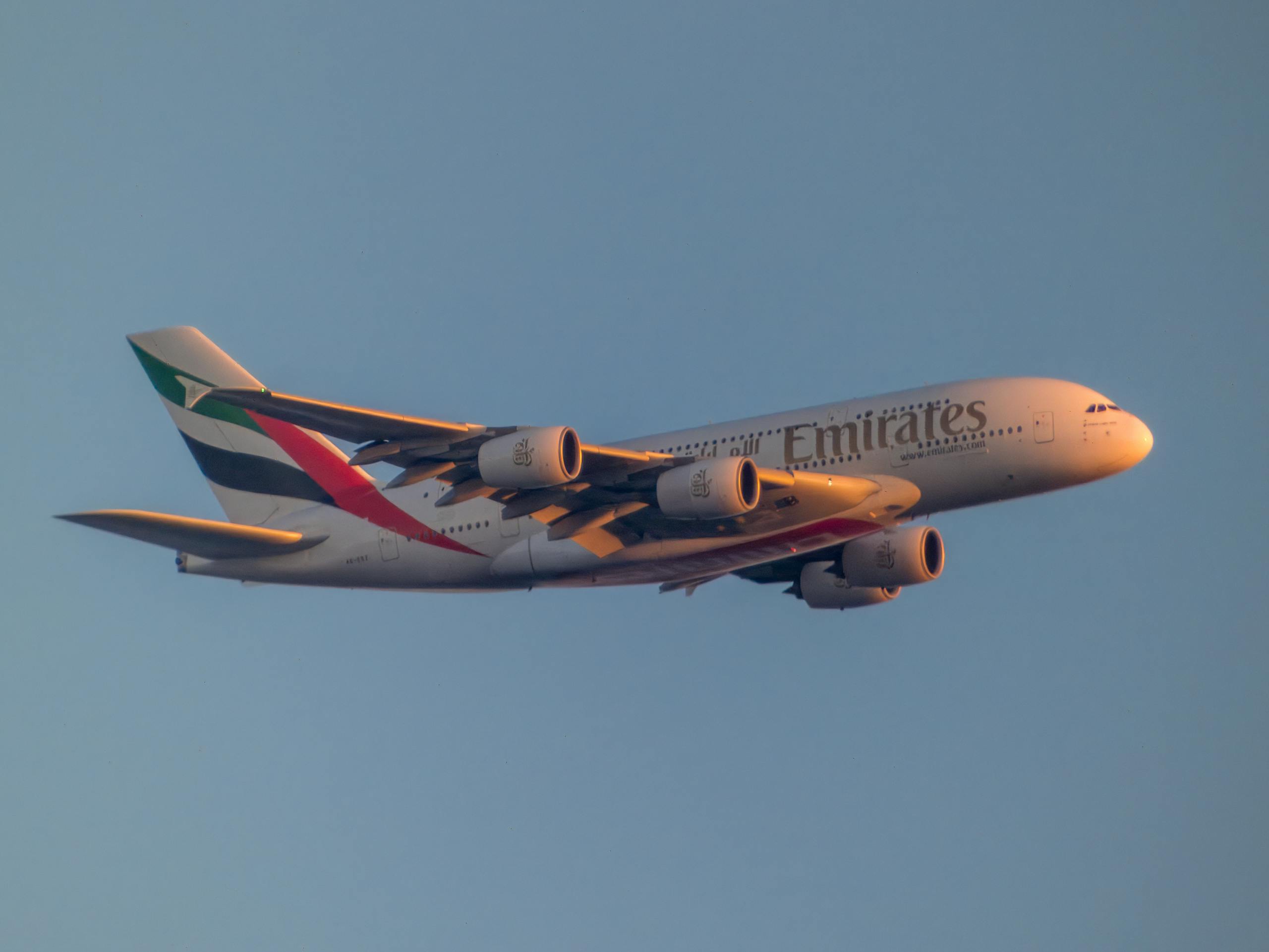
Emirates is renowned for its luxury offerings, but its focus on safety is equally impressive. The airline boasts an innovative approach to air travel, incorporating cutting-edge technology to improve both safety and efficiency.
- Fleet Age: Average age of 5.7 years.
- Safety Features: Highly advanced air traffic control systems, real-time data analytics for flight safety, and automated emergency response systems.
- Training: Emirates places significant emphasis on emergency preparedness and equips its crew with the latest safety techniques.
Japan Airlines
Japan Airlines has long been a leader in aviation safety, known for its meticulous maintenance procedures and unwavering commitment to passenger safety. The airline has set industry standards for safety, with an impressive safety record to match.
- Fleet Age: Average age of 7 years.
- Safety Features: Advanced navigation and weather monitoring systems, state-of-the-art aircraft maintenance practices, and extensive safety training.
- Training: Flight attendants and pilots undergo rigorous training in emergency protocols, including simulated flight emergencies.
ANA (All Nippon Airways)
ANA is consistently ranked among the world’s safest airlines, thanks to its proactive safety managementsystem and investment in modern aircraft. The airline’s focus on reliability and safety has earned it numerous accolades over the years.
- Fleet Age: Average age of 6.3 years.
- Safety Features: Real-time aircraft performance monitoring, stringent maintenance protocols, and advanced cockpit safety technologies.
- Training: ANA provides its crew with comprehensive emergency training, covering everything from evacuation procedures to handling inflight medical emergencies.
Cathay Pacific
Cathay Pacific is one of Asia’s leading carriers, and its safety record is among the best in the industry. The airline operates a modern fleet with a strong emphasis on crew training and operational safety.
- Fleet Age: Average age of 8.1 years.
- Safety Features: Advanced flight tracking and monitoring systems, enhanced cockpit technology, and strict compliance with international safety regulations.
- Training: Crew training includes extensive drills and simulations, with a focus on high-stress emergency scenarios.
Air New Zealand
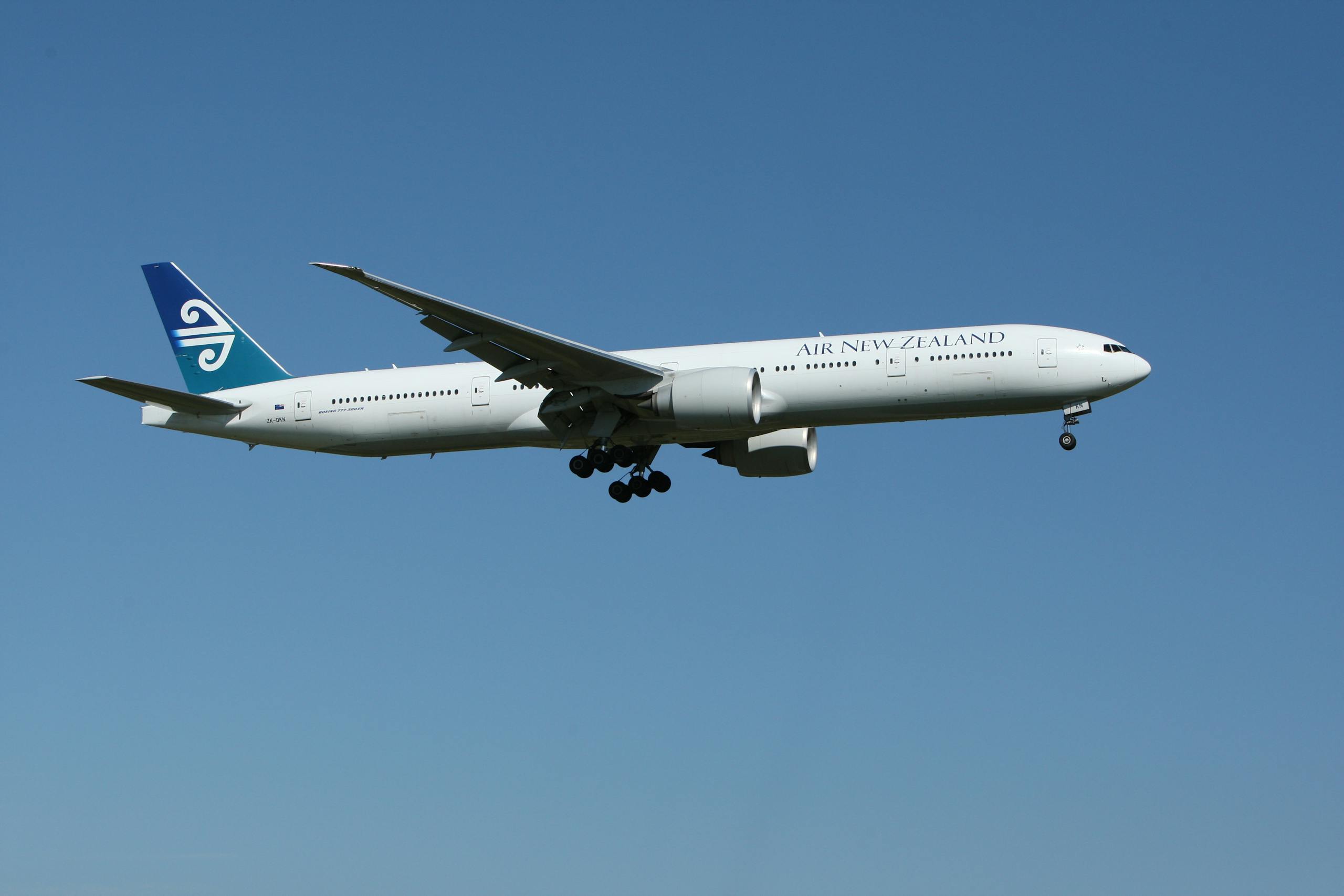
Air New Zealand is renowned for its emphasis on safety, from its modern fleet to its comprehensive training programs. The airline maintains a strong safety culture, with a focus on innovation and continuous improvement.
- Fleet Age: Average age of 7.5 years.
- Safety Features: Regular safety audits, state-of-the-art aircraft monitoring systems, and a focus on proactive safety measures.
- Training: Air New Zealand provides its staff with regular emergency response training, including simulated evacuations and crisis management.
Lufthansa
Lufthansa, one of Europe’s largest airlines, has built a reputation for safety, quality service, and reliability. The airline’s commitment to safety is underscored by its investment in modern aircraft and ongoing training programs for its crew.
- Fleet Age: Average age of 9 years.
- Safety Features: Advanced safety technologies, strict aircraft maintenance procedures, and continuous improvement initiatives.
- Training: Lufthansa’s crew members undergo extensive training in safety protocols, including recurrent emergency procedures and flight safety drills.
British Airways
British Airways is one of the most trusted airlines in the world, and its safety standards are second to none. With a large fleet and a commitment to excellence in passenger safety, British Airways is a clear leader in the aviation industry.
- Fleet Age: Average age of 11 years.
- Safety Features: Enhanced cockpit systems, continuous safety audits, and a proactive approach to aircraft maintenance.
- Training: British Airways places great emphasis on crew training, ensuring that all staff are well-prepared for emergency situations.
Finnair
Finnair may not be the largest airline, but its commitment to safety and passenger well-being is unmatched. Known for its efficient operations and advanced safety measures, Finnair continues to set the standard for air travel in Europe.
- Fleet Age: Average age of 6.9 years.
- Safety Features: Real-time monitoring systems, automated emergency management systems, and a proactive approach to risk management.
- Training: Finnair’s crew undergoes extensive training in emergency response, including high-altitude evacuation scenarios.
Key Factors Contributing to Airline Safety
Fleet Age and Maintenance
One of the primary indicators of an airline’s safety is the age of its fleet. Newer aircraft are equipped with the latest safety features and are less likely to experience mechanical failures.
Airlines that operate a younger fleet typically maintain a high standard of safety through regular inspections and maintenance programs.
Safety Technology
Modern safety technologies, such as automated flight monitoring systems, advanced weather tracking, and real-time aircraft performance data, are essential for ensuring passenger safety.
These technologies allow airlines to monitor their planes’ health and performance, providing early warnings for potential issues.
Pilot and Crew Training

The safety of any flight ultimately comes down to the expertise and preparedness of the crew. Airlines with rigorous and continuous training programs for their pilots and flight attendants tend to have the best safety records.
These training programs often include simulated emergency scenarios, such as in-flight medical emergencies, fire drills, and evacuation procedures.
Regulatory Compliance
Compliance with international aviation safety regulations is a fundamental aspect of airline safety. Airlines that consistently meet or exceed safety standards set by organizations like the International Civil Aviation Organization (ICAO) and local regulatory bodies maintain high safety levels.
Conclusion
In 2026, the safest airlines offer a combination of modern fleets, cutting-edge technology, rigorous crew training, and compliance with international safety regulations.
The carriers listed in this article represent the best of the best in air travel safety, ensuring that passengers can fly with confidence and peace of mind.
Whether you’re flying across the globe or taking a short domestic flight, these airlines set the standard for safety and reliability in the aviation industry.


