


Lawn gnomes, often seen adorning gardens across the world, are far more than just whimsical figurines. They hold a rich history, deep cultural significance, and mysterious origins that continue to intrigue enthusiasts and casual observers alike.
These small, bearded creatures with pointed hats are synonymous with idyllic lawns and often convey a sense of charm and quaintness. But there’s much more to them than meets the eye.
In this article, we explore surprising facts and historical secrets about lawn gnomes, their cultural impact, and how they became one of the most beloved figures in decorative art.
The Origins of Lawn Gnomes

The Birth of the Lawn Gnome in Germany
The first lawn gnome was created in Germany during the early 19th century, originating in the tradition of garden statuary popular in European gardens.
These early gnomes were inspired by legends of mythical creatures, with their design influenced by German folklore’s gnomes, believed to be earth spirits that protected the natural world.
The earliest gnomes, crafted from terracotta, were hand-painted and often depicted in various workman-like poses, reflecting their roles as garden guardians, miners, and protectors of crops.
They were meant to bring good fortune to the household and garden, a belief that still persists in many cultures today. The first commercial production of lawn gnomes began in the 1840s, and over time, these figures became a staple in gardens across Europe.
How Lawn Gnomes Came to America
While lawn gnomes originated in Europe, they didn’t become popular in the United States until the mid-20th century. It wasn’t until the 1930s that the figurines began making their way across the Atlantic, sparking a cultural craze.
They were initially seen as symbols of whimsy, fun, and nostalgia, and were quickly adopted by American gardeners. Over time, the demand for gnomes exploded, making them a common fixture in front yards and suburban lawns.
Lawn Gnomes in Popular Culture
Gnomes in Literature and Film
Lawn gnomes have made their mark not only in gardens but also in the world of entertainment and literature. From playful mentions to prominent roles, these tiny figurines have captured the public’s imagination.
One of the most famous depictions of a lawn gnome is in the 2001 animated film Amélie, where the main character’s father’s traveling gnome embarks on an adventurous journey across the world. This film highlighted the gnome’s appeal beyond just garden decoration, showcasing their potential for storytelling.
Gnomes as Symbols of Rebellion
Interestingly, lawn gnomes have also been used as symbols of rebellion and anti-establishment movements. Their playful, seemingly inconsequential nature has often been subverted to make political statements or to protest social norms.
The most famous example of this is the “Gnome Liberation Front,” a group that began in the 1990s and advocated for the “freedom” of gnomes, often by stealing them from gardens and relocating them.
Their acts of rebellion brought attention to the absurdity of traditional lawn decor and opened a dialogue about conformity, art, and self-expression in suburban life.
The Global Gnome Phenomenon
Gnomes in European Traditions
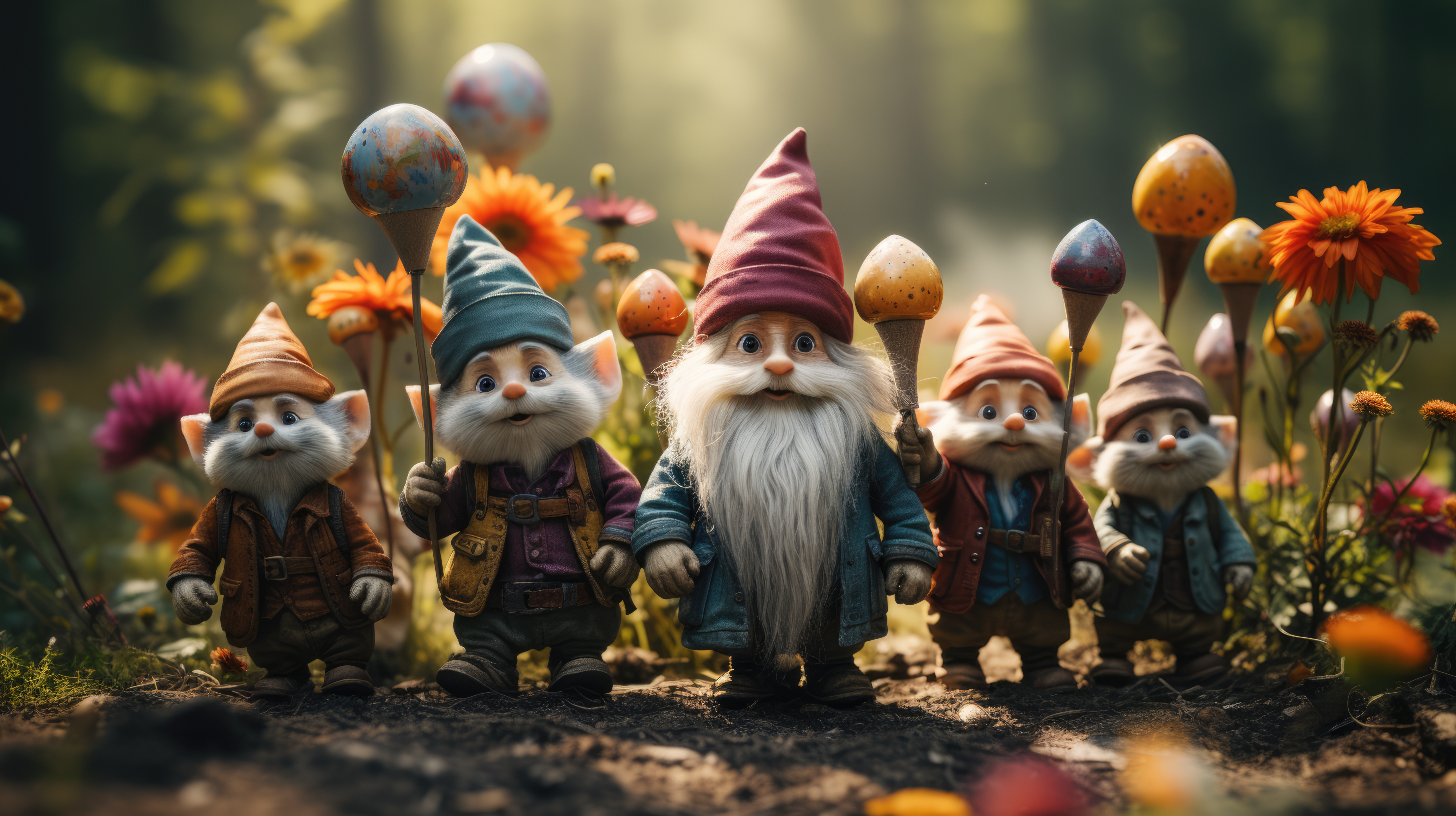
In addition to their German origins, lawn gnomes have deep ties to European folklore and mythology. In Scandinavian cultures, gnomes, known as “tomte” or “nisse,” are believed to be household guardians who protect both family and farm animals.
Unlike the mischievous gnomes of popular culture, these beings are viewed as benevolent and helpful, providing prosperity in exchange for a bowl of porridge or a gift on Christmas Eve.
The Rise of Garden Gnomes in the UK
While the gnome’s history can be traced to Germany, it was in the United Kingdom where the modern garden gnome truly blossomed. British gardeners adopted gnomes in the late 19th and early 20th centuries, turning them into a charming and eccentric element of suburban gardens.
In fact, it was during this period that the typical image of the gnome, small, bearded, wearing a pointy hat, and often holding a shovel, was solidified.
Lawn Gnomes and the Environment
The Gnome’s Role in Sustainable Gardening
In recent years, lawn gnomes have found a new niche in eco-friendly gardening. With an increasing emphasis on sustainable and organic gardening practices, gnomes have evolved from simple decorative figures to eco-conscious symbols.
Today, gnomes are produced using sustainable materials such as recycled plastic, biodegradable paints, and non-toxic glazes. They have become a fun way for gardeners to express their commitment to the environment while still embracing the charm of these whimsical characters.
A Focus on Eco-Friendly Materials
As the popularity of sustainable gardening continues to rise, so does the demand for environmentally friendly lawn gnomes. Manufacturers are now focusing on reducing the carbon footprint associated with gnome production.
This shift towards more sustainable practices includes using natural materials such as reclaimed wood, stone, and even bamboo to create these miniature figures.
As people become more mindful of the impact of their gardening choices, lawn gnomes continue to be reimagined as eco-friendly additions to any garden.
Lawn Gnomes and Modern Art

Gnomes as Art Installations
Lawn gnomes are no longer confined to suburban gardens. In recent years, gnomes have entered the realm of modern art, with several contemporary artists incorporating them into larger installations.
Gnome figures have been painted in abstract styles, adorned with bright colors, and used in large-scale outdoor exhibits. This merging of traditional lawn gnome imagery with contemporary art has created a unique fusion that appeals to collectors and art enthusiasts alike.
The Gnome as a Symbol of Nostalgia and Pop Culture
One of the key reasons for the continued popularity of lawn gnomes in art is their powerful connection to nostalgia. The gnome represents a simpler, more carefree time in people’s lives, often reminding them of childhood memories or a time when life seemed less complicated.
This connection to the past makes the gnome a powerful symbol in both art and culture, resonating with people’s emotions and memories.
The Future of Lawn Gnomes

Gnomes in the Digital Age
As we move further into the digital age, lawn gnomes are finding new ways to capture the public’s imagination.
With the rise of social media platforms like Instagram, gnomes have found a new life online, as gardeners, collectors, and artists share photos and stories about their gnome collections.
Additionally, gnome-related memes, GIFs, and online communities continue to grow, further cementing their place in popular culture.
Gnomes in Virtual Gardens
With the rise of virtual and augmented reality, lawn gnomes have found their way into virtual gardens. Whether through gardening simulation games, virtual spaces, or even home decor apps, digital gnomes are becoming a new form of expression in the virtual world.
These digital renditions offer a modern take on the beloved figure, allowing users to place gnomes in digital landscapes, personalize them, and share them with others online.
Conclusion
Lawn gnomes are far more than just decorative pieces for your garden. Their deep historical roots, cultural significance, and evolution from folklore to modern pop culture icons have cemented their place in homes and gardens worldwide.
Whether as a symbol of good luck, a piece of art, or a quirky garden accessory, lawn gnomes continue to charm and captivate all who encounter them.


