


As we age, we often notice that the recovery from a night of drinking becomes increasingly difficult.
The hangovers of our youth, marked by a few hours of discomfort, seem to transform into a full-fledged ordeal as we get older. But why does this happen? It’s not just a mental shift , there are several scientific reasons that explain why hangovers become worse with age. From slower metabolism to hormonal changes, the body’s ability to process alcohol diminishes as the years pass, leading to more intense and prolonged hangovers.
Maturity of the Prefrontal Cortex: Less Impulse Control
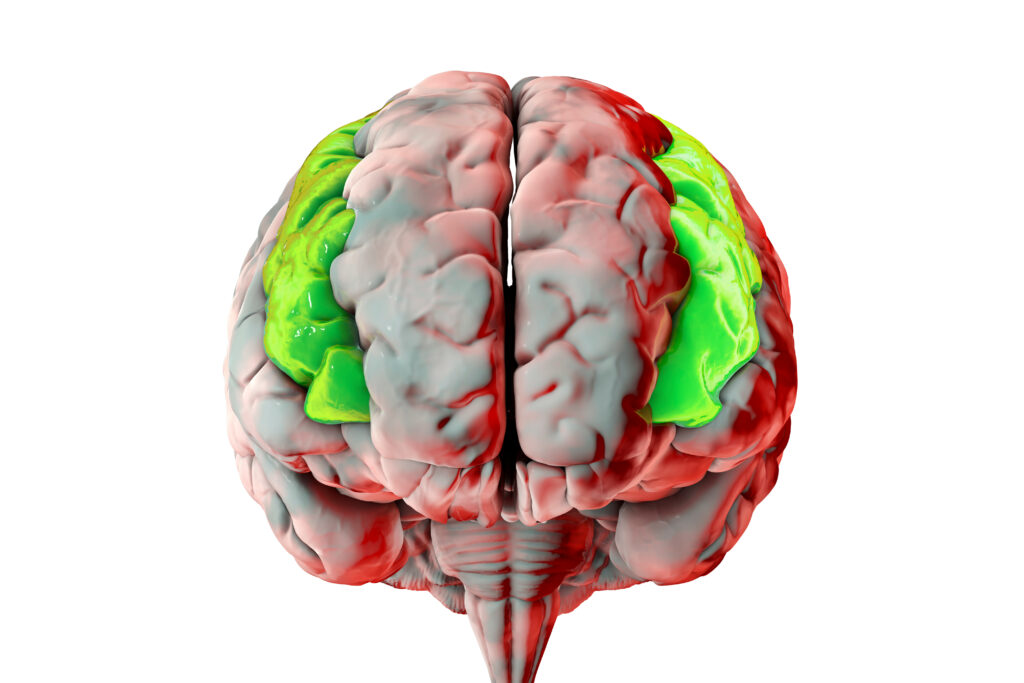
In our early 20s, we may find ourselves staying out late, making impulsive decisions, and drinking to excess without considering the consequences. However, as we age, the brain’s prefrontal cortex, which is responsible for decision-making, impulse control, and risk assessment, matures.
This means that the older we get, the more our brain is able to evaluate and respond to poor decisions, such as overindulging in alcohol. Unfortunately, the damage is often already done by the time our brain starts to reprimand us for late-night drinking, and the hangover that follows is often more severe.
Slower Alcohol Metabolism: A Less Efficient Liver

One of the most significant factors contributing to worse hangovers with age is a slower metabolism of alcohol. The liver, responsible for processing alcohol, becomes less efficient over time. When we drink, the liver produces enzymes to break down ethanol into acetaldehyde, a toxic compound.
As we age, this enzymatic process slows down, and acetaldehyde lingers in the body longer. This delay in detoxification is a key reason why the discomfort of a hangover, including headaches and nausea, lasts longer in older adults.
Decreased Water Retention: Less Hydration Power

A critical component of a hangover is dehydration, and as we age, our bodies become less effective at retaining water. This means that even if you maintain a strong water-drinking routine, your body’s ability to stay hydrated after consuming alcohol is diminished.
Alcohol is a diuretic, meaning it increases urination and causes further dehydration. If your body cannot hold onto water as efficiently as it once did, you may find that your hangovers are longer and more intense, with symptoms like dry mouth, dizziness, and fatigue being more pronounced.
Medications and Supplements: Interference with Alcohol Metabolism
As we age, we often rely more on medications and supplements to manage various health issues. However, these substances can interfere with how the body processes alcohol, making hangovers worse. Prescription medications, over-the-counter drugs, and even certain health supplements can alter the way alcohol is broken down in the liver.
These compounds may enhance the toxic effects of alcohol, causing increased hangover severity. For example, common medications for high blood pressure, pain relief, or sleep disorders can make dehydration, nausea, and headaches much more intense the morning after drinking.
Conclusion
The transition from manageable hangovers in your younger years to debilitating ones as you age is not just in your head. As we’ve seen, there are real physiological changes that occur in the body over time that make it harder to recover from a night of drinking.
Slower metabolism, higher body fat percentage, hormonal changes, and the impact of medications all contribute to the increasing severity of hangovers as we grow older. While it’s impossible to completely eliminate the effects of aging on hangovers, understanding the science behind them can help you manage and minimize the discomfort in the future. Consider pacing your alcohol intake, staying hydrated, and being mindful of your body’s changing needs to ensure a less painful morning after.
Read the original article on crafting your home


