
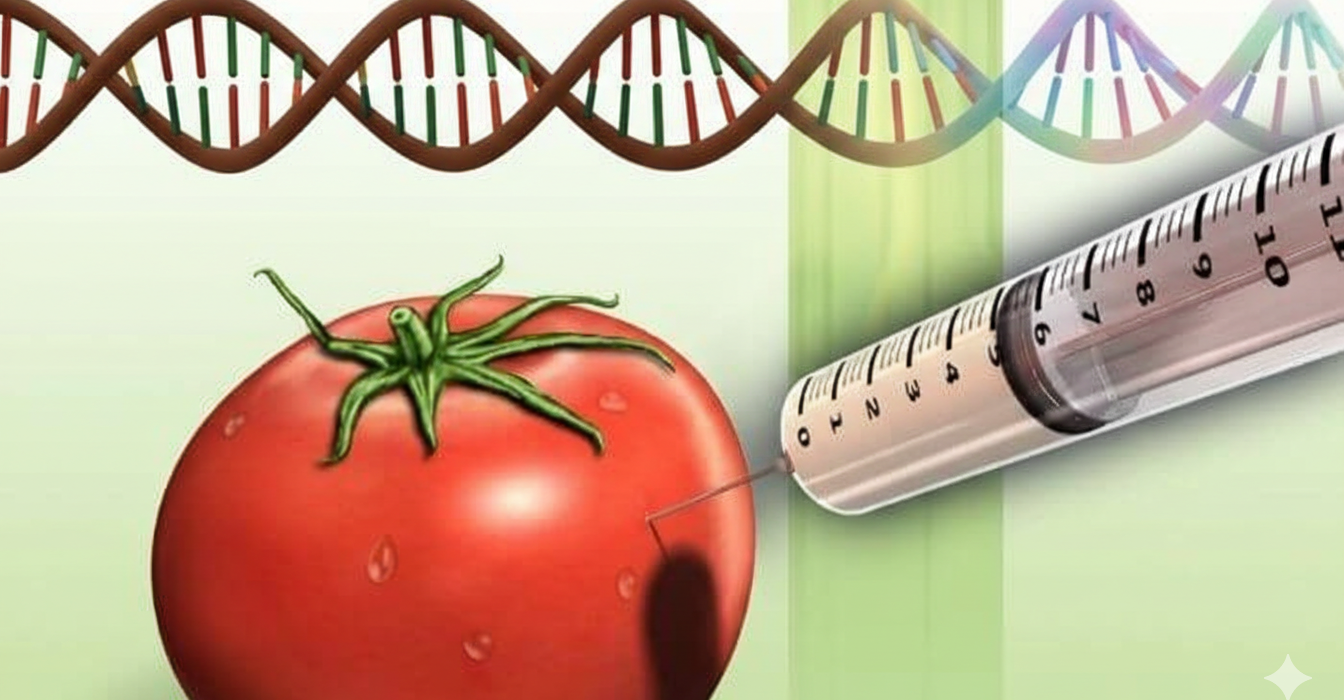

I still recall the early promises of genetically modified foods, that science would feed the world, reduce pesticide use, and make farming more efficient. It sounded compelling. Yet in 2025, as GMOs (genetically modified organisms) and gene‑edited crops become more widespread, real problems are already unfolding. These issues aren’t just theoretical anymore; they’re being felt in fields, ecosystems, markets, and communities around the globe.
In this article, I explore 10 significant problems that genetic modification in food and crops is already causing. I draw on the latest scientific research, environmental observations, socio‑economic reports, and ongoing public debates. This is not outdated commentary; this is what the evidence shows right now, and what’s driving both policy shifts and public concern in 2025.
The Hidden Environmental Toll

- fewer wild plants and flowering weeds that support pollinators
- decreased soil microbial diversity
- reduced resilience in surrounding ecosystems
Extensive research continues to show that intensive GM crop farming can reshape soil chemistry and microbial communities, with long‑term ecological effects that aren’t yet fully understood.
Superweeds and Escalating Herbicide Use
Yes. One of the biggest practical challenges has been the rise of “superweeds”— weed species that have evolved resistance to common herbicides due to repeated use on herbicide‑tolerant GM crops.
- more herbicide use
- more resistant weed species
- greater environmental harm
- increased cost for farmers
Gene Flow and Threats to Wild Plant Populations

One of the most underappreciated science‑based concerns is gene flow, the transfer of engineered traits from GM crops into wild plant populations. This can occur through pollination or seed dispersal, and once a transgene escapes, it’s effectively irreversible.
Human Health Considerations
In 2025, the scientific consensus remains that approved GMO foods currently on the market are generally safe for human consumption, and there is no compelling evidence linking them directly to cancer or widespread health harm.
- The potential for GM proteins to cause allergic reactions
- The theoretical risk of new or unexpected allergens appearing
- Debate over indirect exposures (e.g., through herbicides or pesticide residues)
For exam