


Everyone loves to have their own piece of green land, and this simply explains why a green garden is magical. However, what if some plants grow faster than the host and completely overtake the host plant? Even experienced gardeners should be aware of plants that have a tendency to become a problem in a short period of time. Despite their appearance when found in a pot or a nursery, they have a way of finding their way into every crevice and surface and protruding in every which way they can.
Among these fast-growing plants are cuttings that are admired for the fact that they take a minimum time to green up an area. However, as the saying goes, the more the better may also turn out to be a problem. However, if not managed, being botanical behemoths, they can be a nuisance to other plants, cause harm to structures, or become weeds in some areas. But before you welcome these visitors into your yard, let’s better understand these turbocharged growers and why they are both celebrated and feared.
Kudzu

Kudzu, often referred to as the plant that ate the South, is well known. Having been originally imported from Asia to help combat problems of soil erosion, it’s now spread across parts of the United States, blanketing everything in its path. By the way, it can grow up to one foot within a day, but this is possible only in the most favorable conditions. This innovative plant grows at a very high speed compared to other vegetation, thus suffocating them by denying them both light and water. And once it sinks its roots down deep, getting it out can be even more of a challenge.
Bamboo
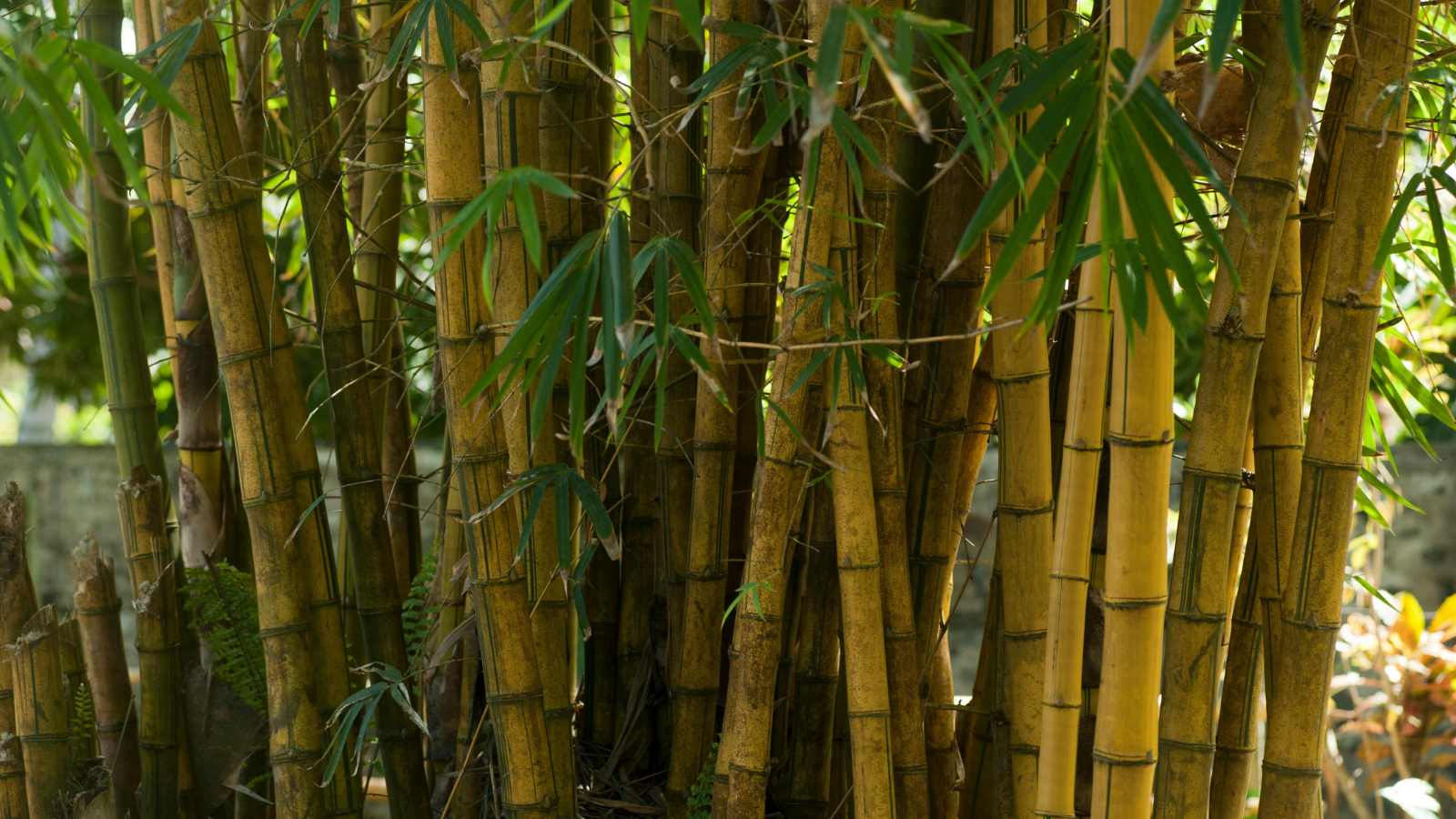
While thinking of bamboo, people might imagine the Japanese gardens or Chinese wildlife reserves for giant pandas; however, some types of bamboo are invasive, especially running bamboo. Their rhizomes grow underground very fast, with thickets that are almost impossible to combat. There have been cases where the seeds produced fall on other plants, creating a disaster in the garden; for this, many recommend use of barriers or clumping varieties.
English Ivy

Climbing plants have been used for centuries to cover walls and fences, and rose plants are no exception to that rule. Nevertheless, there is a downside to the English ivy. Climbs so fast that it stifles trees and pulls down brick walls. Ivy was reported by the US Forest Service to inhibit tree growth and kill them if not controlled. It requires a lot of attention because, if not well-maintained, it becomes a nuisance in the garden.
Wisteria

Probably it is one of the most beautiful flowering vines that could easily fit into any fairy tale, but as for its growth, it is terribly wild. Especially, when wisteria is grown, its vines are rather invasive and may overgrow other plants or even destroy buildings. Purdue University has also indicated that wisteria can grow up to 10 feet per year. For those who are fascinated by the looks, it is necessary to turn to American wisteria, which is significantly less invasive than Asian wisteria.
Morning Glory

Morning glories bloom like stars in the morning, and their trumpet-shaped flowers make them the delight of the garden party. However, their growth rates are fast, and when they seed, they can produce a large number of seeds, making their management a challenge. They are better suited if grown in pots or places where their growth can easily be controlled.
Mint

The herb that can deliver the taste of mojito and calming teas. However, put it in your garden bed, and soon it will be sprouting in every corner of your compound as if it owns the place. Mint’s underground runners spread fast and can overpower other plants capturing vast tracks of land. Gardeners are advised to cultivate this plant in containers in order to avoid its runaway growth.
Japanese Knotweed

Japanese knotweed has well deserved its title of one of the worst invasive species on the planet. It was brought to Europe and North America as an adornment for homes before it became a menace to ecosystems and structures. Knotweed removal may be rather difficult, and this plant is usually managed with the assistance of experts since it is often resistant to multiple kinds of removal.
Trumpet Vine

Also referred to as ‘hell vine’ by many horticulturists who have been overrun by it, trumpet vine is stunning and invasive. Characterized by its orange flowers, yellow when young, which help attract pollinators including bees and humming birds, this vine plant is very invasive and tends to dominate fences, walls, and other plants. To avoid its takeover, trim often and position the plant in an area that is not close to buildings.
Purple Loosestrife
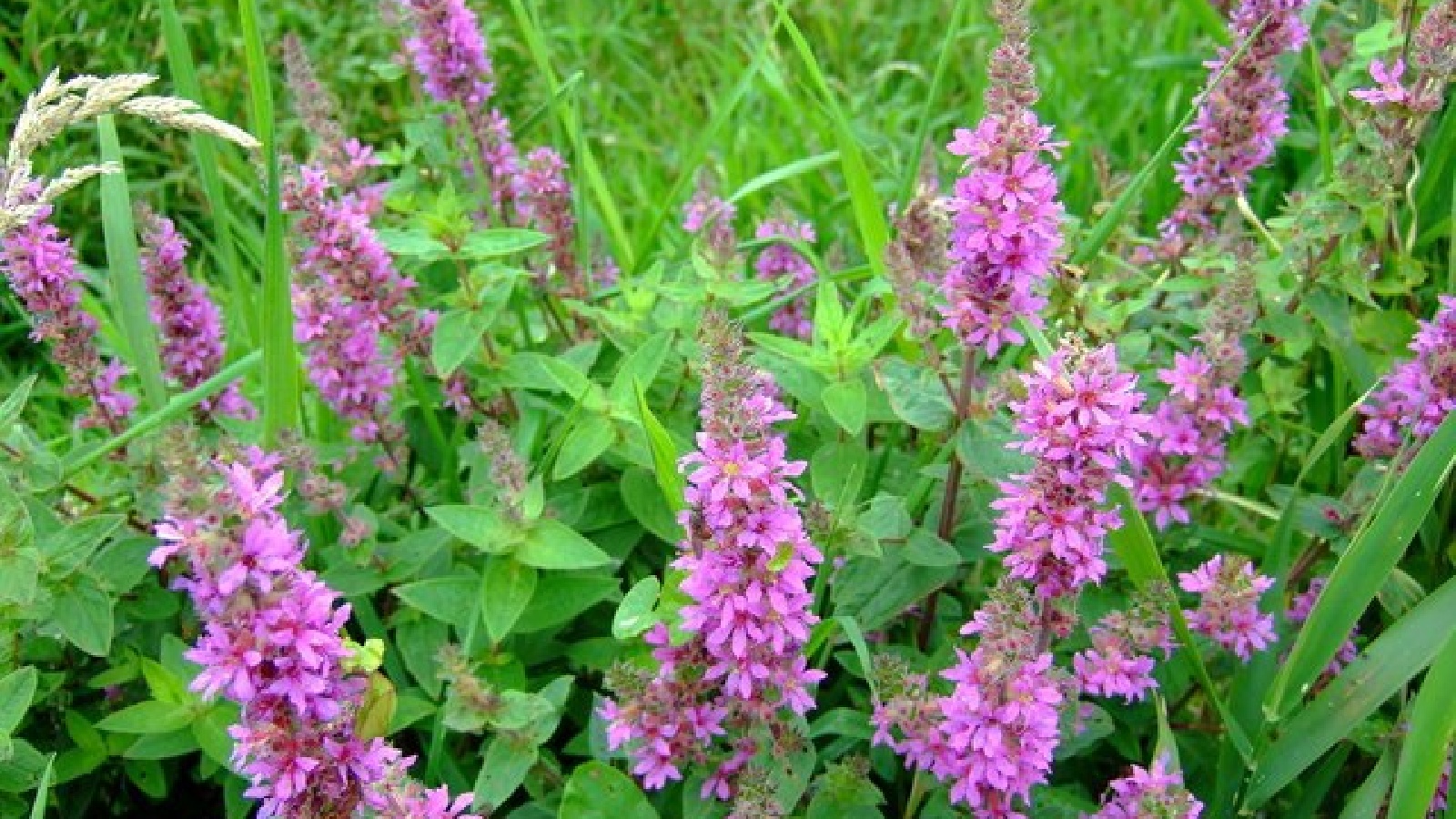
Purple loosestrife looks like a dream with its tall spikes of purple flowers, except that this is practically a nightmare in wetlands. It is indicated by the Invasive Species Center that one individual plant can produce approximately 2.7 million seeds per year. They destroy native habitats and uproot plants and animals that reside in them. It is prohibited in many states owing to its ability to spread out and become a nuisance.
Virginia Creeper

Virginia creeper may be easily confused with poison ivy; however, the clusters of five leaves are non-toxic if touched. But, as you will see in this article, it can grow rather quickly and be anything but harmless to your garden. It scales buildings and trees, and often needs to be shooed off. It has somewhat wild characteristics but is a favorite for quick coverage of trellises and fences. The best way to avoid this is through pruning, and in rare cases, you might need to rein in this plant’s ambitions.
Creeping Jenny

Creeping Jenny has showy bright green leaves that are perfect for use as a ground cover, but its name is not just an advertisement. It is a low-growing plant that spreads quickly and becomes very competitive; it produces thick mats that can suppress any other plant. It is an invasive species in some areas, and so it may be helpful to consult with local jurisdictions on this plant’s planting.
Disclaimer: This list is solely the author’s opinion based on research and publicly available information.


