
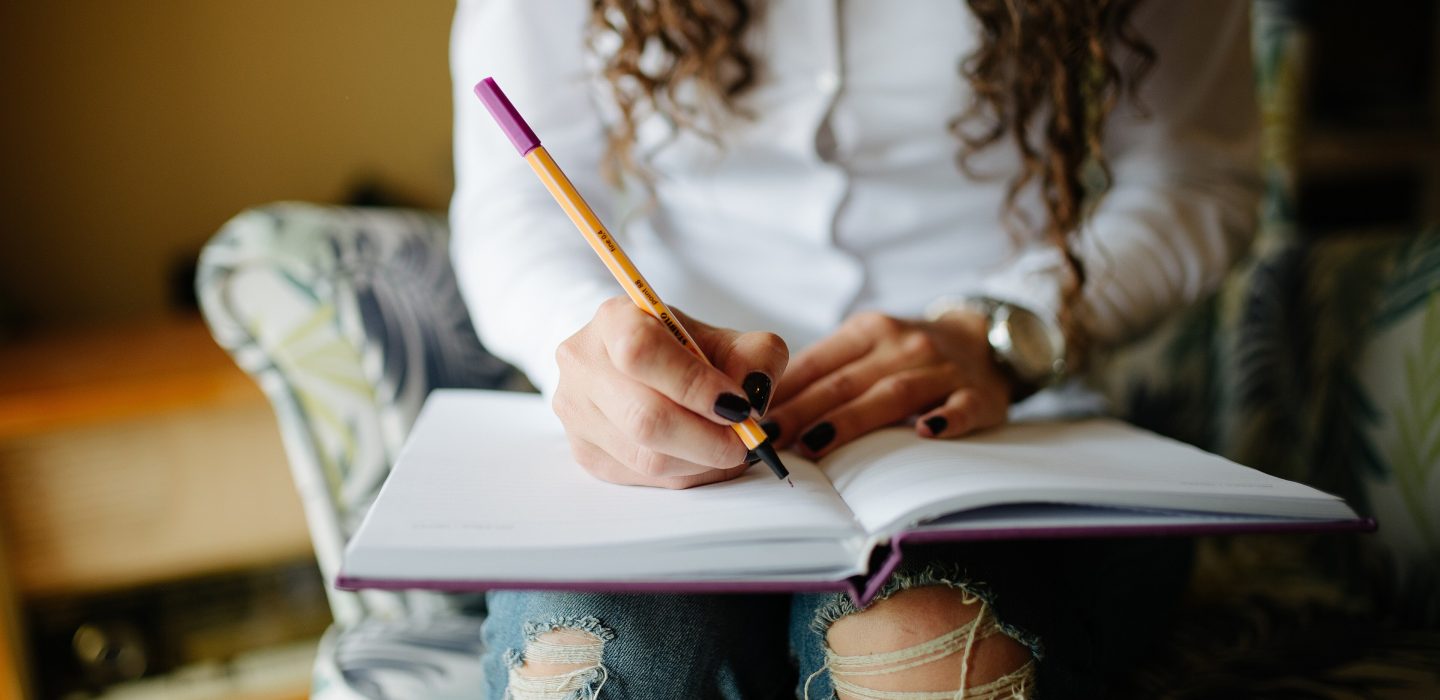

Somewhere between the phone alarms and the shared online calendars, a stubborn group of people still keeps their plans in a paper planner, penciling in the dentist and circling the day of the school concert. They are often asked whether they plan to switch, and they usually do not.
Researchers and organizing experts have looked at what paper does that a screen does not, and their findings paint a consistent picture. Here are 6 traits that people who write their plans on paper often have in common.
1. They Pick the Faster Way to Get a Plan Down
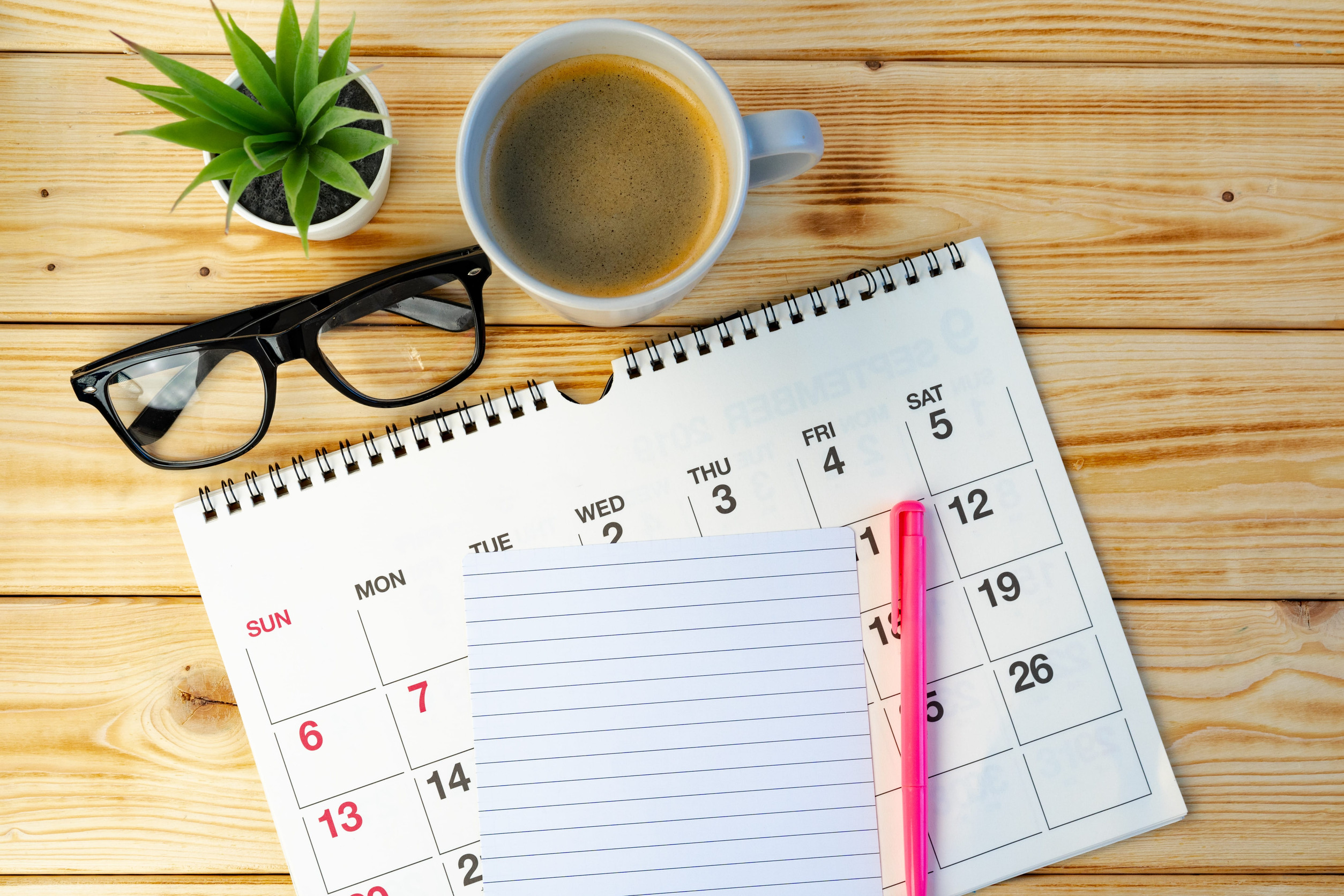
A team at the University of Tokyo, led by Kuniyoshi Sakai, asked 48 volunteers aged 18 to 29 to record a fictional two-month schedule of classes, deadlines and appointments. Some used a paper datebook and pen, others a tablet calendar app with a stylus, and the rest a smartphone calendar app. According to the university’s announcement of the study, the paper group finished in about 11 minutes, compared with about 14 for the tablet group and 16 for the smartphone group.
Anyone who has fumbled through a phone keyboard to enter a date will understand the appeal. Paper does not need to load, update or ask for a password, and for people who like to jot a plan down in seconds, that matters. It is a small preference with a practical logic behind it.
Anyone who has ever run behind schedule may recognize the flip side in a roundup of the habits shared by people who are always late and the list of 6 zodiac signs that are always running late. A pen-and-paper habit also sits comfortably with the old-school ways collected in a feature on little rituals from the 80s and 90s and the roundup of boomer habits that are making a comeback.
2. They Remember What They Write by Hand
Writing by hand seems to help information stick. Kelly McMenamin, an organizing coach and author of a book on organizing by personality, noted in Psychology Today that handwriting appears to help memory more than typing or digital styluses do. She pointed to a 2009 study by Smoker, Murphy and Rockwell at the University of Central Florida, in which participants recalled common words better when those words were handwritten than when they were typed.
The Tokyo team came to a similar conclusion about schedules. Sakai’s takeaway, as the university described it, was that paper notebooks suit information a person needs to learn or memorize. For a paper planner fan, that translates into something simple: the appointment written in ink is the appointment that sticks.
It is also why many planner users glance at the page on a Monday morning and already know what the week holds. People who work this way often line up with the organized types described in a look at the zodiac signs that always make the plans first, and with the advice in a guide on how to stop procrastinating: put the to-do list somewhere visible. Readers tracking the season’s deadlines may also want the notice on how UPS handles its Thanksgiving and Christmas Eve schedule, and a piece on work-life balance pairs well with a planner habit.
3. They Do Well With the Simple Questions
The Tokyo study reported one more result that is easy to overlook. Paper users scored better than the other groups on the simple questions about the schedule, though not on the harder ones. In everyday life, simple questions are most of what a calendar has to answer: what time is the appointment, who is picking up the kids, which day is the delivery.
Holiday weeks are full of exactly those questions, from package cutoffs to store hours, and a printed page that sits on the counter makes them easy to answer at a glance.
4. They Do Not Apologize for It
McMenamin’s message to paper calendar users is blunt: there is no need to apologize. She wrote that handwriting may even be quicker, citing a study in which handwriting note-takers finished a task about a quarter faster than digital note-takers. She also acknowledged what digital calendars do well, including sharing, reminders, alarms and search.
That confidence is part of the pattern. A paper planner user rarely feels the need to defend the choice.
5. They Mix Paper and Digital When It Helps
The sharpest point in the McMenamin piece may be the last one: a hybrid system is likely the best arrangement. Paper for the plans a person wants to hold in memory, a phone for the alarms and the family calendar that everyone else needs to see. Many planner fans already live this way, writing the month in pen and letting the phone nag them about the morning meeting.
6. They Choose Tools to Fit Their Own Style
McMenamin co-founded a company that teaches people to organize by personality, which is the bigger idea behind her advice. Nobody has to give up paper to be modern, and nobody has to carry a planner to be organized. The sixth trait is a willingness to choose the system that works for the person using it rather than the one everyone else uses.
Taken together, the research does not claim that paper makes anyone more productive. It says writing by hand is quick, memorable and good for simple lookups, and that people who prefer it are in sensible company.
Get stories like this by email. Sign up for Crafting Your Home.
This article was produced with AI assistance and edited for accuracy against the sources linked above.