
The post 8 After-School Activities Kids Enjoyed That Feel Pretty Much Impossible Now first appeared on Crafting Your Home.
Remember when the biggest problem after school was deciding whose house to visit first? For many Americans who grew up in the 1970s and 1980s, afternoons meant bicycles, neighborhood games, corner stores, and adventures that didn’t require much planning.
No group chats organized baseball. Nobody needed an app to find their friends. Sometimes, all it took was knocking on a door and asking if someone could come outside.
Of course, childhood wasn’t the same for everyone. Where you lived, your family’s circumstances, and neighborhood safety all made a difference. Still, some everyday activities that once felt perfectly ordinary have become less common or changed dramatically.
Here are eight after-school experiences that might bring back a few memories.
Riding Your Bike Around the Neighborhood Without a Plan
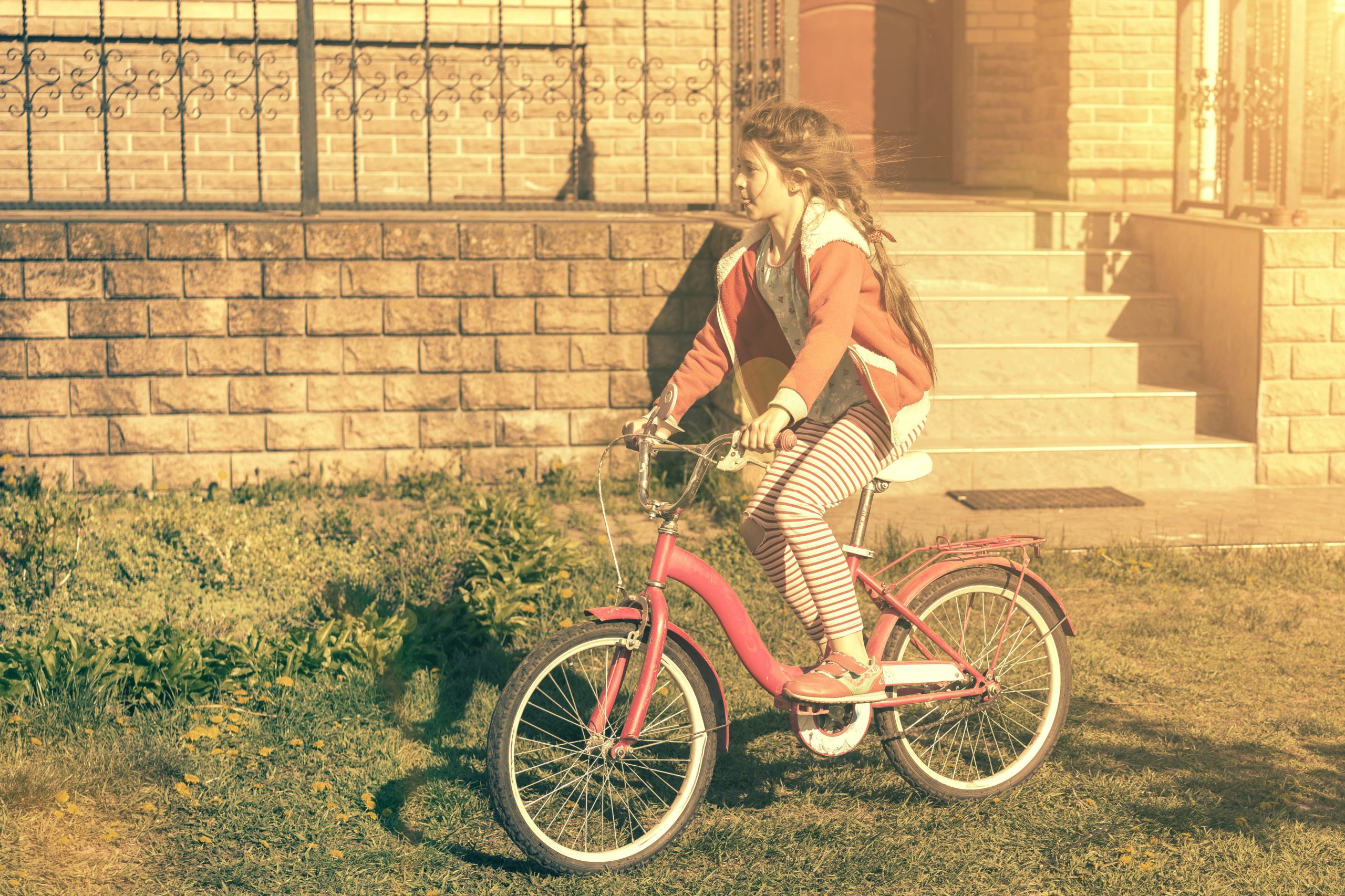
jollier/123rf
For many kids in the ’70s and ’80s, a bicycle was practically a passport to freedom. You could finish your homework, grab your bike, and disappear down the street to see what everyone else was doing. Maybe you’d ride to a friend’s house, race around the block, or explore a nearby neighborhood.
The best part? You didn’t necessarily need a destination. Today, independent cycling depends heavily on traffic, available bike paths, neighborhood design, and family rules.
According to the National Center for Safe Routes to School, approximately 48% of American children ages 5 to 14 walked or bicycled to school in 1969. By 2009, that figure had fallen to 13%. Those numbers measure school transportation, not afternoon adventures. Still, they illustrate how much children’s independent travel has changed.
Exploring Woods, Creeks, and Empty Lots
Not every childhood adventure required a playground. Sometimes, all you needed was a patch of woods, a small creek, or an empty lot with enough room to let your imagination run wild. A fallen tree could become a pirate ship. A muddy stream might inspire an afternoon of building tiny dams. An overgrown field could turn into an imaginary kingdom.
Of course, these adventures depended on having suitable spaces nearby, and not every child was allowed to explore them independently. Today, children can still enjoy nature through parks, trails, and outdoor activities. But development, property restrictions, accessibility, and supervision rules can affect where they can wander.
The American Academy of Pediatrics emphasizes that child-directed play supports important developmental skills, including creativity, social interaction, and problem-solving. Those benefits haven’t changed, even if the places available for outdoor adventures sometimes have.
Organizing a Neighborhood Baseball Game Without Adults
Remember when a baseball game could begin with someone yelling, “Who’s playing?” Within minutes, kids would appear from different houses. You didn’t necessarily need uniforms, coaches, referees, or an official field.
A jacket might serve as first base, somebody’s backpack became second, and the rules were negotiated before the first pitch. Naturally, arguments happened. Was that ball fair? Did someone actually tag the runner? Who got to bat next?
The children usually had to figure things out themselves. Organized youth sports existed in the ’70s and ’80s, too. But informal neighborhood games gave kids another way to enjoy competition.
Today, school teams, recreation leagues, and scheduled practices provide valuable opportunities. However, gathering enough available neighborhood friends for an unscheduled game can sometimes be the bigger challenge.